PoliticsSports•4 min read
Controversy in Milan-Cortina: ICE, Diplomacy and Protests During Olympic Days

When Security Becomes Politicized: ICE, City Hall and Streets Ablaze with Indignation
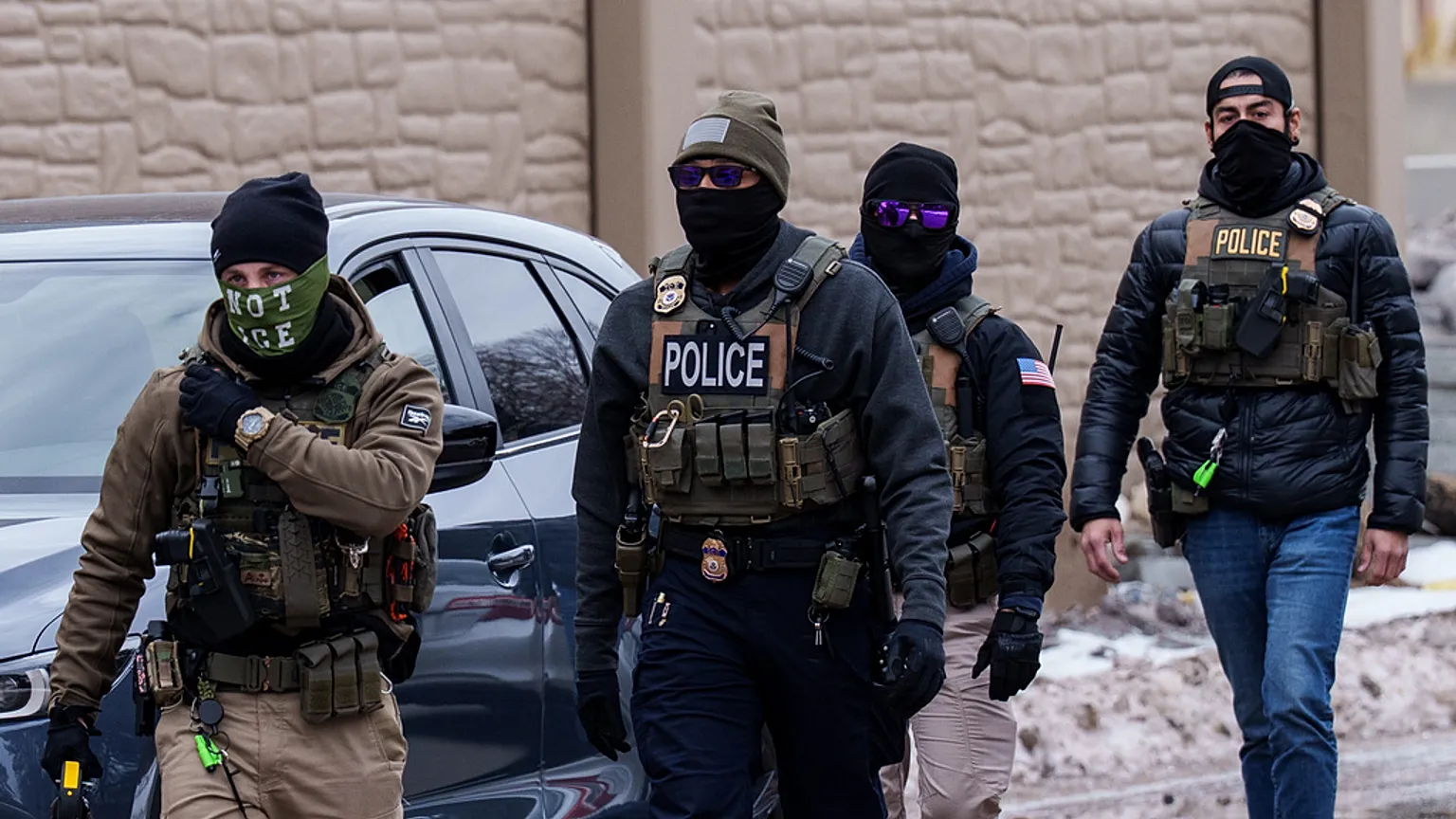
The news that a unit linked to the U.S. ICE agency would be collaborating with security functions at the Milan-Cortina Games was not just another headline: it triggered protests, harsh statements from local authorities, and a public discussion about sovereignty, human rights, and the real meaning of "security" at a global event. U.S. authorities defended that personnel would act in technical support and in consular spaces; critics read it as the extension of a migration policy that shakes opinion in Europe.
The mayor of Milan did not hold back: he defined ICE with harsh words and declared that the agency "would not be welcome" in his city, in a phrase that bounced across radio and social media and elevated the controversy to a political conflict between administrations. The on-site presence of U.S. diplomatic figures, including Vice President Vance and Secretary Rubio during the inauguration, added fuel to the narrative of external intrusion and provoked symbolic claims before the cameras.
Mobilizations and Police Response
The reaction on the streets was immediate. Hundreds of demonstrators, mainly young people and student collectives, marched through areas near the San Siro stadium carrying banners against ICE and against the rising costs associated with the Games. The slogans mixed criticism of the U.S. administration's migration policies with complaints about local economic impact: rents and services pressured by the Olympic celebration. Local organizations described the protests as mostly peaceful, although there were episodes of tension when small groups attempted to approach high-traffic routes.
Faced with attempts to block access or step onto highways, Italian police intervened forcefully at specific points; charges were recorded, use of tear gas and water cannons against those who tried to force security cordons, which raised the media bill of the episode and forced authorities to insist that event security continues to be managed by Italy. The episodes of police intervention also forced the reopening of the debate on proportionality and crowd control at massive events.
What Are US Agents Actually Doing?
According to official communications and journalistic reports, agents linked to ICE and its HSI unit had a limited role: technical support, information exchange and coordination tasks from diplomatic offices, without authority to make arrests on the streets of the host country. Rome and U.S. representation tried to clarify the scope to reduce public alarm; in practice, the mere suspicion of foreign agents operating during a ceremony with large attendance was enough to ignite the social spark.
The episode leaves several uncomfortable conclusions: first, that even limited action by foreign personnel can be perceived as interference if there is no transparent and consensual communication with local authorities. Second, that large events are platforms where political debates from other areas (migration, repatriations, bilateral relations) jump to the forefront and translate into immediate popular pressure. And third, that managing international image, and security logistics, requires not only technical agreements, but a public narrative that alleviates fears and minimizes misunderstandings.
Meanwhile, immediately, administrations will have to maintain a dual task: ensure the normal development of ceremonies and Olympic protocols, and operate a dialogue channel with citizens to defuse legitimate claims about public spending and respect for rights. Politically, the controversy offers rewards for those who propose stricter borders and ammunition for critics of U.S. migration policy; socially, it reminds us that an inauguration can be both spectacle and thermometer of discontent. Meanwhile, the International Olympic Committee (IOC) reiterated that ultimate responsibility for security rests with the host country; in practice, that did not prevent the streets of Milan from becoming, for a few hours, a map of criticisms and slogans.

The most important news while you enjoy a cup of coffee.
Join our community. Get our exclusive weekly analysis before anyone else.
Related News

Deportes
8 min read
Champions League: Real Madrid vs Bayern, Barça vs Atleti. The Final Starts in the Quarterfinals
Jaw-dropping thrashings, the Premier League knocked out almost entirely, and four matchups that look like they were pulled from a dream final. The round of 16 set the stage for April.

Deportes
6 min read
World Baseball Classic: Venezuela reaches its first final. USA plays its third straight
For the first time in 20 editions, Venezuela plays for the World Baseball Classic title. Across from them: the favorite at -275 on the money line and a 24-year-old starter his manager describes as 'built for this moment'.

DeportesCultura
5 min read
The Jumpman arrives at the Maracanã. Brazil will wear Jordan at the 2026 World Cup
For the first time in history, a national team will wear the Jumpman logo at a World Cup. Brazil today presented in São Paulo its second kit signed by Jordan Brand, available starting March 13.


