Between 148 and 153 people were killed in Minab on March 1, 2026. Most of them were girls. The building was a primary school. The party responsible for the attack, according to Iranian authorities, was the American-Israeli coalition that 24 hours earlier had launched what it called Operation Epic Fury.
That detail, not the aircraft carrier, not the ballistic missiles, not Trump's speech,is the one that defines what this war already is.
How Khamenei died and what he left behind
On February 28, 2026, Iranian state media and Western intelligence sources confirmed the death of Ayatollah Ali Khamenei, Supreme Leader of Iran for 36 years, as a direct result of coordinated airstrikes between Washington and Tel Aviv. Khamenei had not designated a successor. Thirty-six years of absolute theocratic power, and he left without written instructions.
The vacuum was immediate.
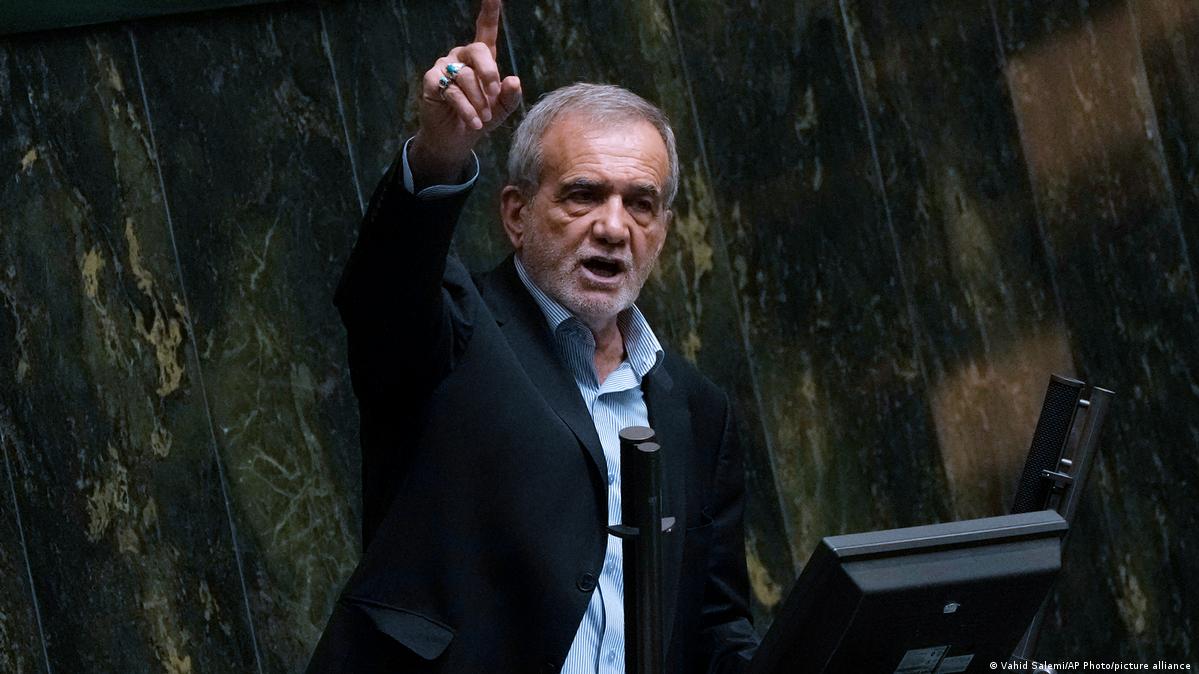
By March 1, the Iranian state apparatus announced an emergency interim council composed of President Masoud Pezeshkian, Judiciary Chief Gholamhossein Mohseni Ejei, and 66-year-old Ayatollah Alireza Arafi as the third vertex of the triumvirate. A combination designed to project unity among the civil administration, the judiciary, and religious orthodoxy. It works well on paper.
The problem is that paper doesn't give orders. The Islamic Revolutionary Guard Corps (IRGC) does.
Intelligence sector sources indicate that the IRGC has begun to centralize tactical decisions, placing in leadership positions figures previously linked to international operations, including the AMIA bombing in Buenos Aires. The interim council governs the narrative. The Guard governs the missiles.
Iran's response: symmetrical in intent, asymmetrical in reach
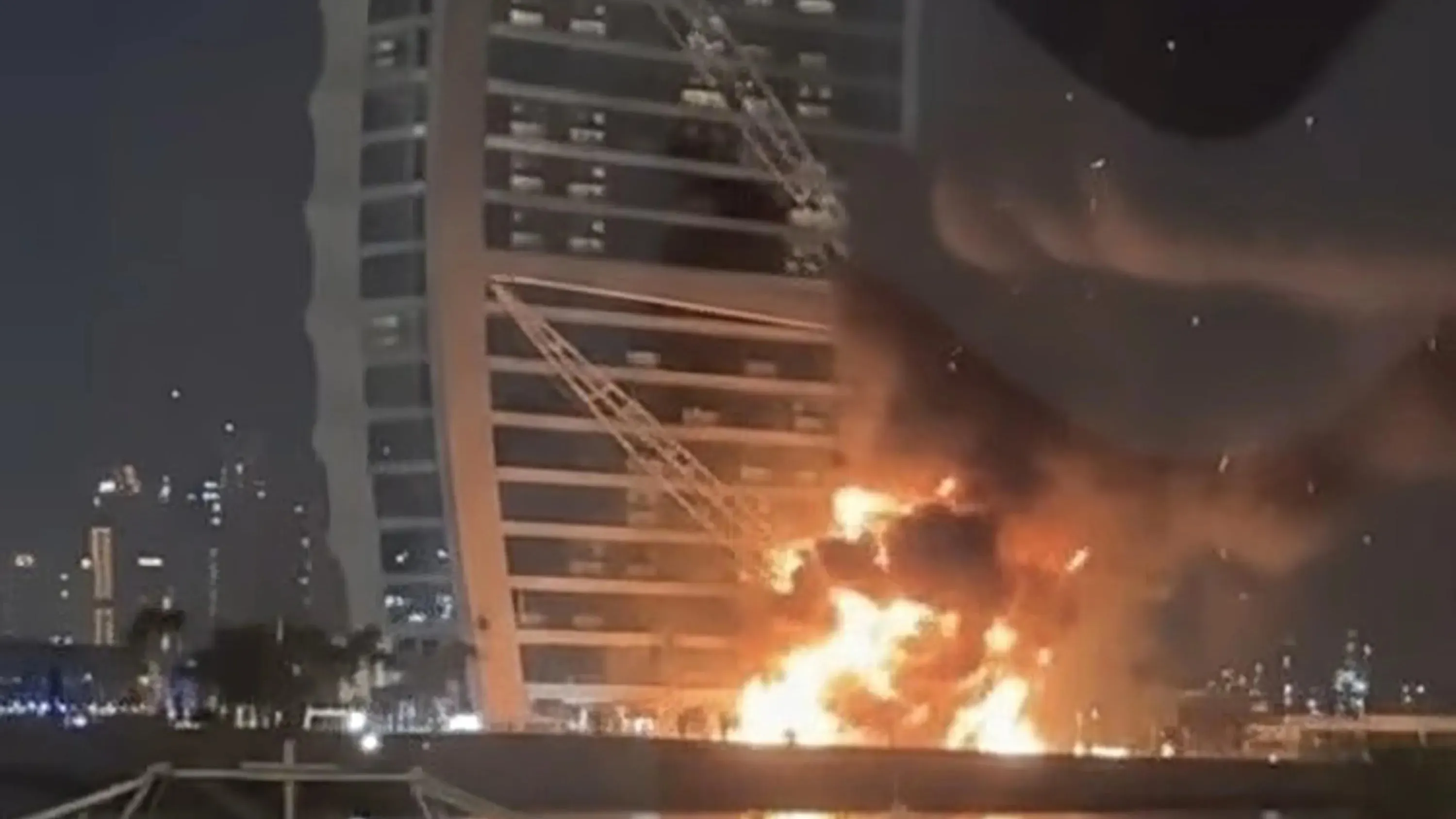
Iran didn't wait. On March 1, waves of ballistic missiles and suicide drones struck American and allied military installations throughout the Arabian Peninsula.
The strikes hit bases in Saudi Arabia, Kuwait, Qatar, and the United Arab Emirates, with three confirmed dead, and Bahrain, home to the U.S. Navy's 5th Fleet headquarters in Manama. U.S. Central Command acknowledged three soldiers killed and five critically wounded in the first day's operations.
Israel recorded nine fatalities.
And then came the disinformation, punctual as ever in the first days of a war. The IRGC claimed to have struck the aircraft carrier USS Abraham Lincoln four times with ballistic missiles. Central Command denied it. Trump, in an interview, declared that his forces had sunk nine Iranian ships and that the operation was progressing "faster than expected." He added, without apparent contradiction, that Iran's new leaders "want to negotiate."
That may be true. It may also be domestic narrative management ahead of the next difficult news.
The Security Council met. And nothing happened
On February 28, coinciding with the final day of the United Kingdom's rotating presidency, the UN Security Council held an emergency session. António Guterres condemned both the offensive and the Iranian reprisals, lamenting that "a diplomatic opportunity had been wasted" following Oman-mediated talks.
Iran's representative promised more attacks. The U.S. ambassador spoke of systemic oppression. Nobody voted on anything that mattered.
Putin described Khamenei's death as "murder" and a "cynical violation of international law." China echoed the message. Europe and Australia backed Washington. Gustavo Petro demanded an end to what he called a genocide and warned of nuclear risk. Cuba condemned the interference.
The world, arranged in its usual trenches.
Why Dubai matters as much as Tehran
The most immediate consequence of the conflict didn't arrive as a missile but as a darkened departures board.
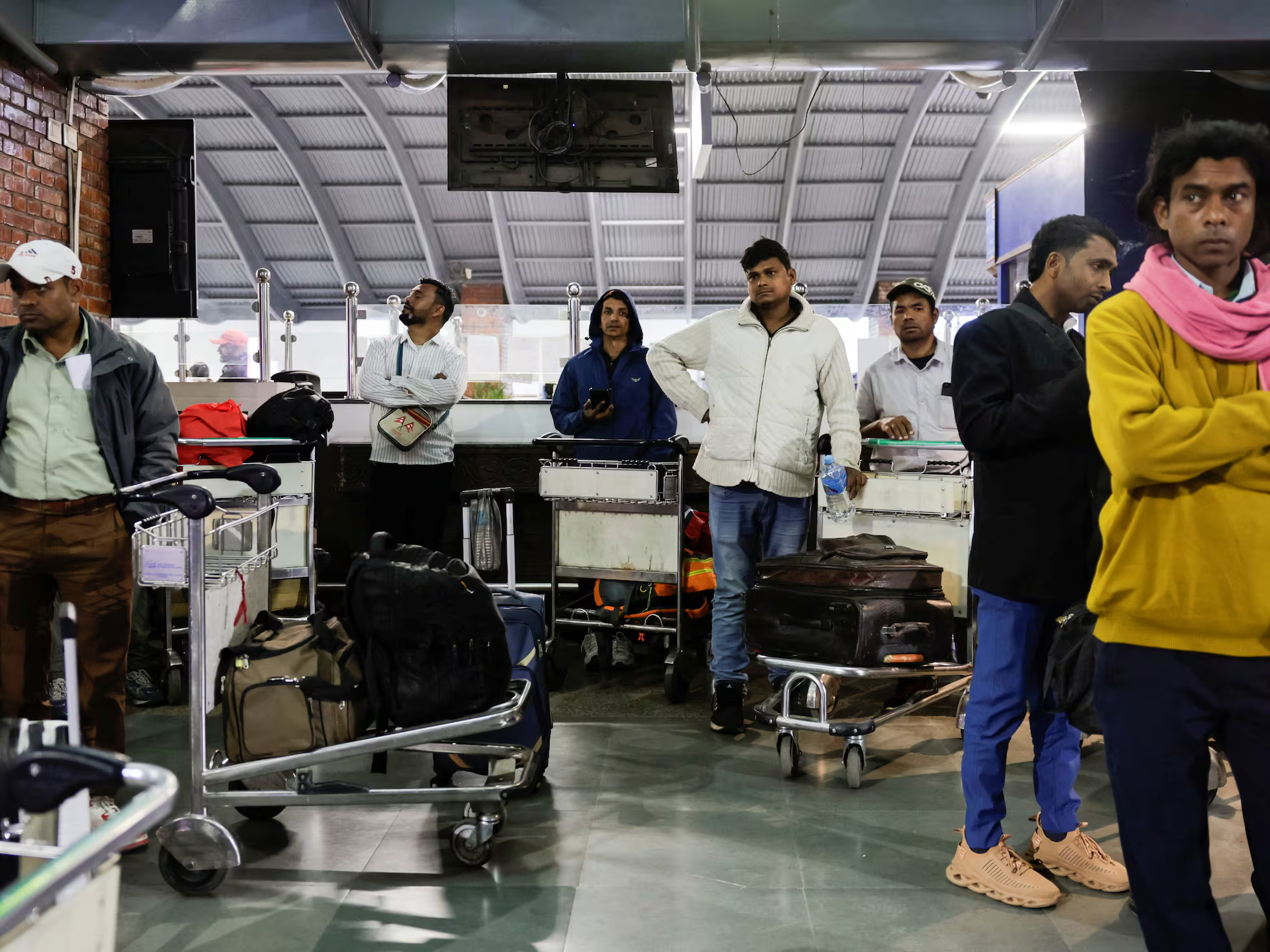
The airports of Dubai, Abu Dhabi, and Doha, three of the busiest intercontinental hubs on the planet, the bridge between Europe, Africa, Asia, and the Americas,shut down abruptly. Hundreds of thousands of passengers were stranded. The terminals in Beirut and Dhaka collapsed. Airlines are now rerouting through longer corridors, with increases in operating costs that companies have yet to quantify publicly but that the markets are already pricing in.
This isn't just a problem for tourists with luggage. It's the global supply chain running in panic mode.
What nobody is saying out loud
There is a pattern in how the West talks about this war that deserves attention.
There is talk of "preventive operation," of "regime change," of military casualties with names and surnames. The Minab bombing, a primary school, 148 girls dead as a minimum figure,occupies less space in official statements than the alleged disinformation about the USS Abraham Lincoln. We keep calling "collateral damage" what in any other context we would call a massacre, as long as the one doing the bombing is on the right side.
The IRGC, which is probably the main beneficiary of Iran's institutional chaos, also has no incentive for this to end soon. An Iran at war needs a strong Revolutionary Guard. An Iran at peace, perhaps not so much.
And Trump, who declared that the operation is progressing "faster than expected," governs from a White House that has already assumed the rotating presidency of the Security Council for March. The referee and the player are, for this month, the same person.
The question that nobody in the back rooms wants to answer out loud is how many more schools lie on the route of the next targets. And whether the answer changes anything.