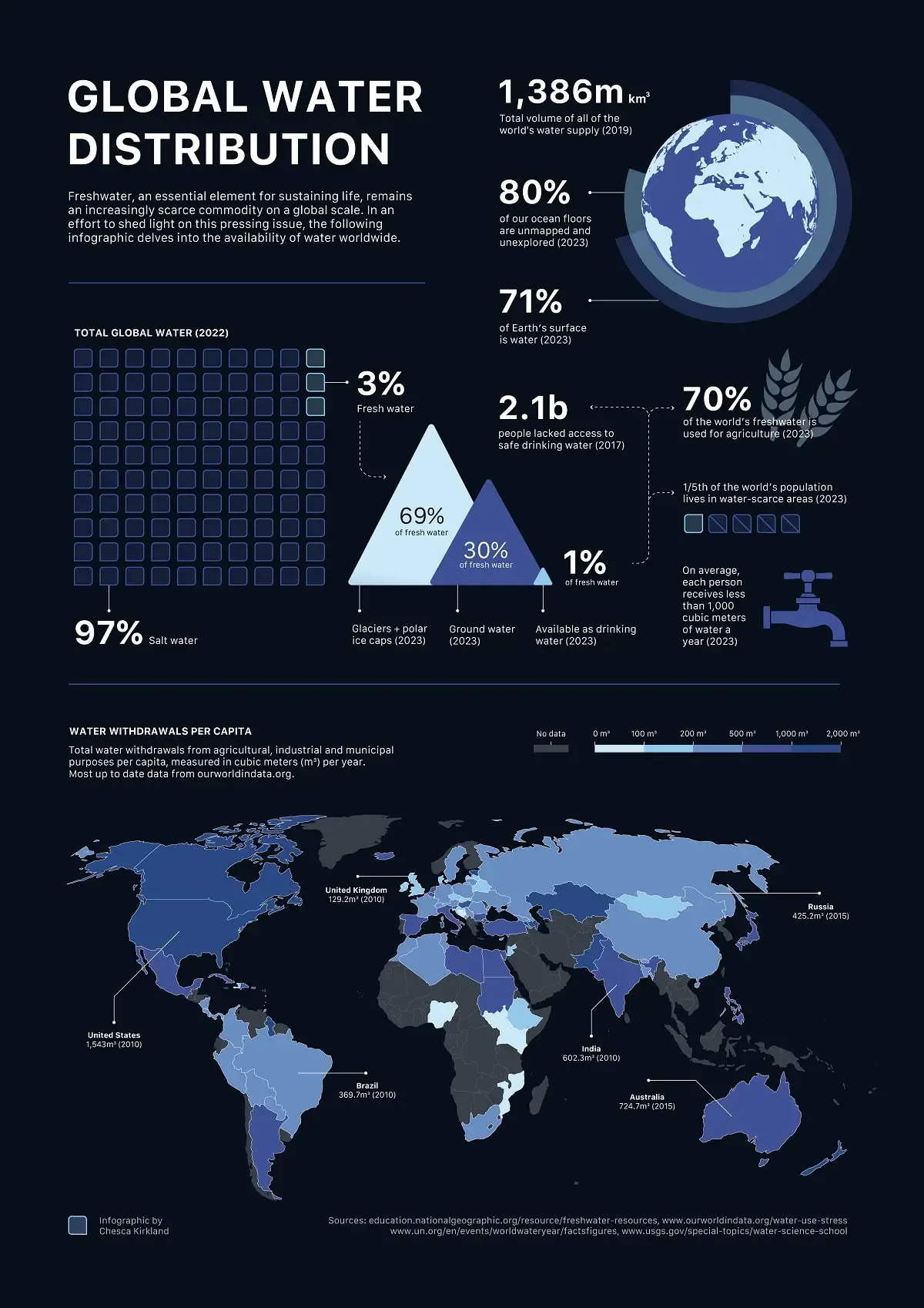
Today is March 22. The UN remembers it punctually, as it has every year since 1993. The theme for 2026 is "Where water flows, equality grows". The figures that support it have been circulating for decades: 2.2 billion people without access to safely managed drinking water. 3.5 billion without adequate sanitation. Women and girls losing 200 million hours a day collecting water. The world nods. And tomorrow it turns on the tap without thinking.
This is not a catastrophe chronicle. It is something worse: it is the story of a perfectly documented problem that never gets resolved.
Why water is still a women's issue, even though it shouldn't be
The global water crisis affects all of society, but it does not do so evenly. Wherever access to drinking water and sanitation is not guaranteed near homes, structural inequalities deepen. In that scenario, women and girls bear the heaviest burden.
It is not a metaphor. It is the distribution of tasks.
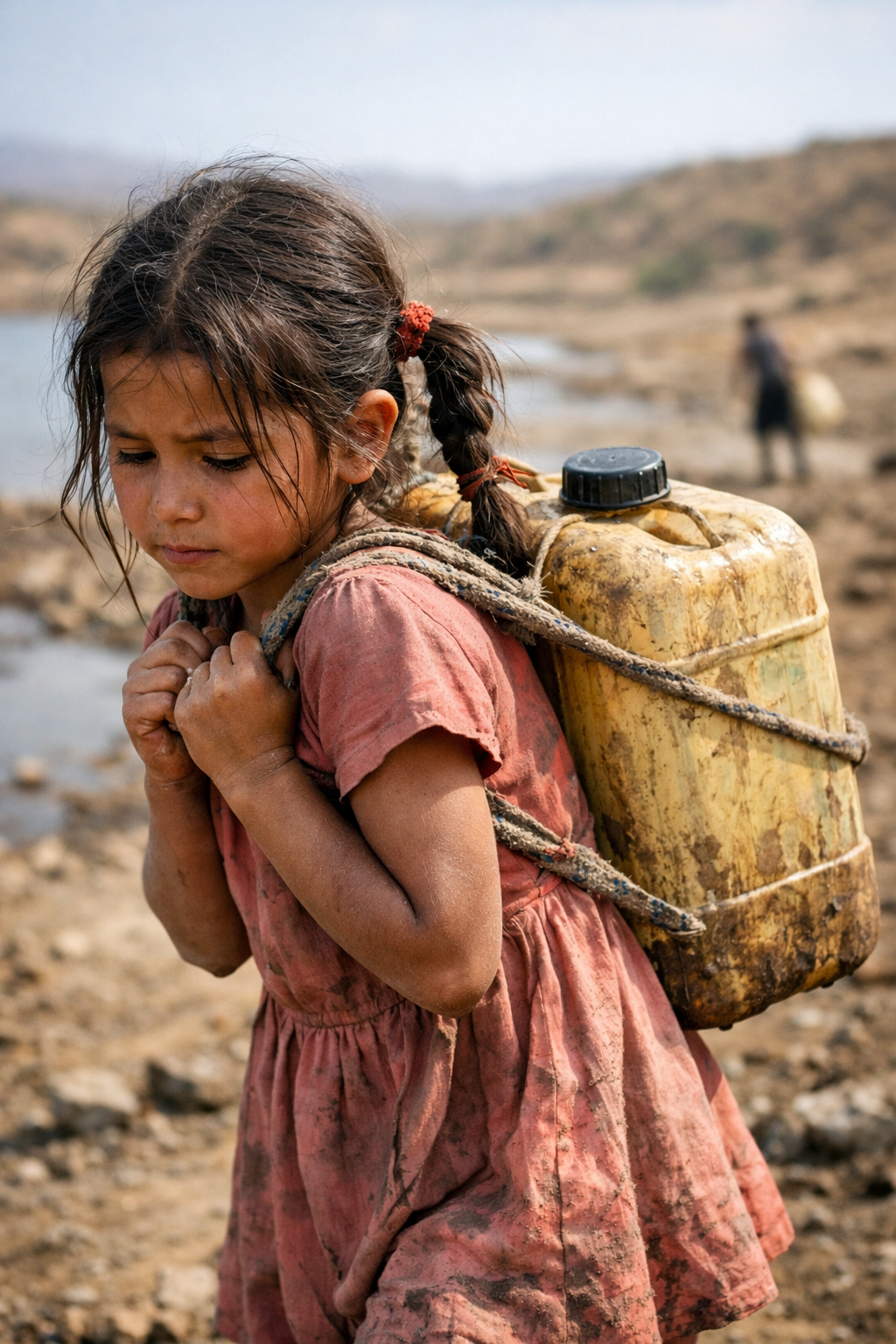
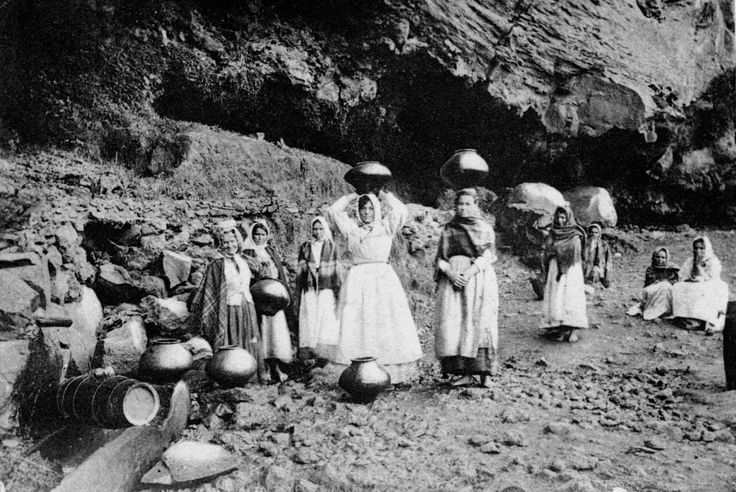
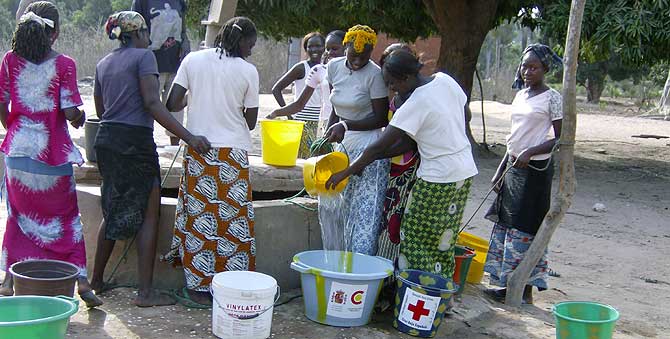
They are the ones who sacrifice time, health, safety, and opportunities. And to the physical burden is added the health burden: they also care for those who fall ill from consuming unsafe water, which increases their level of exposure to the consequences of the crisis. A girl who spends three hours a day fetching water is not going to school. A fact that needs no embellishment to be understood.
The UN World Water Development Report for 2026, presented on March 19 by UNESCO, is titled "Water for all: rights and equal opportunities" and documents in detail how water-related challenges have radically different impacts depending on gender, geography, and income level. It is not the first report to say so. It probably won't be the last.
The problem of governing water without the people who use it
Around 14% of countries still lack mechanisms that guarantee women's equal participation in decision-making on water resources. In other words: those who interact the most with the resource, those who best know its domestic cycles and its flaws, are systematically excluded from the tables where pipes, tariffs, and policies are designed.
The UN calls it "representation imbalance". In practical terms, it means that water systems are designed for the needs the designers know, not the ones that exist.
"When women and girls participate on an equal footing in decisions about water, the services related to this resource become more inclusive, sustainable, and effective", the agency notes. This is not a declaration of good intentions: it is a technical conclusion backed by decades of studies on water governance.
Systems that integrate user communities into their design fail less and are better maintained. The most documented case is that of rural water projects in sub-Saharan Africa: initiatives led by women have functional maintenance rates up to three times higher than those managed exclusively by institutionalized male structures.
We keep building the latter.
The pretty slogan and brutal arithmetic
Water stress now affects more than 25% of the global population. Climate change intensifies droughts, floods, and water scarcity in critical regions. Last year, the World Water Day theme was "Water for Peace". The year before, "The value of water". Every March 22 the message sheds its skin but keeps the same skeleton: water is scarce, unequal, and politically inconvenient.
What varies from year to year is the angle of approach. What does not vary are the figures.
Since 1993, every March 22 has become a mandatory date on the international calendar. Every year, the UN chooses a theme that serves as a common thread to delve deeper into different aspects related to water. Thirty-three years of common threads. Thirty-three global campaigns. And still 3.5 billion people without safe sanitation.
It is not a communication failure. It is a failure of priorities.
What the 2030 Agenda promised and the calendar doesn't forgive
The World Water Day 2026 campaign seeks to drive action towards Sustainable Development Goal 6, which aims to ensure water and sanitation for all by 2030, while simultaneously reinforcing SDG 5, dedicated to gender equality.
2030 is four years away. The current pace of progress will not close that gap.
International organizations know it. Signatory governments too. And yet, funding for water infrastructure in low-income countries remains below what is needed, while wealthier countries debate whether bottled water should have a special tax. The structural irony of the 21st century is not that we do not know how to solve the water crisis: it is that we know exactly how to do it, how much it would cost, and who would benefit, and we decide that there are more urgent things.
Climate change, water-related disasters, underfunding, certain social norms, and governance deficits intensify the complexity of the problem. Each of these factors has a name, a cause, and a technical solution. What they lack is sustained political consensus.
The question the slogan doesn't ask
"Where water flows, equality grows." It is a good slogan. Balanced, poetic, verifiable. But there is a question it does not formulate: who decides where it flows?
Because water does not arrive on its own. It arrives through pipes that someone designed, through budgets that someone approved, through priorities that someone ranked. And for decades, those decisions were made without the people who spent the most time managing the resource at the domestic and community levels.
The transformative approach proposed by the UN involves recognizing women's roles in multiple areas of the sector: as engineers, farmers, scientists, sanitation workers, and community leaders. Not as passive beneficiaries of the infrastructure others build, but as protagonists of the system that makes it work.
Tomorrow, March 23, most media outlets will have archived the commemoration. The figures will remain the same. And somewhere in the world, a nine-year-old girl will have left before dawn to fetch water, just like yesterday, just like ten years ago, just like when someone drafted the first version of what we now call the 2030 Agenda.
The slogan is beautiful. The arithmetic, less so.