Sports•3 min read
Record Demand: FIFA Receives 500 Million Ticket Requests for 2026 World Cup

Half a Billion Fans Request Tickets: The Litmus Test for 2026 World Cup Logistics
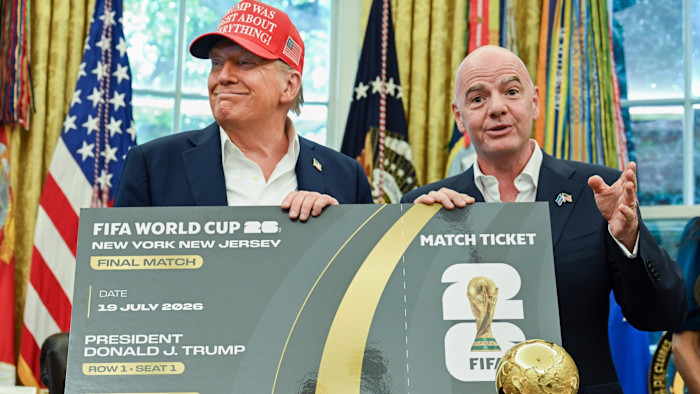
The figure demands pause: more than 500 million requests during the 33-day period to get tickets to the 2026 FIFA World Cup, co-hosted by the United States, Mexico, and Canada,confirms that the tournament, with 48 teams for the first time, pushes global passion to a new record. According to FIFA, that volume exceeds any precedent and requires assigning tickets through random draws; email distribution would begin February 5 for the fortunate ones.
The data speaks of runaway demand and finite supply: with limited stadiums and seats restricted for security and operations, the average fan now faces a digital lottery. The largest contingents of requests, outside the hosts, came from countries with historic football fanbases: Germany, England, and Brazil, adding complexity to the management of travel, lodging, and security in urban areas during the event.
What It Means for Fans and Markets
For those not selected, frustration won't be abstract: resale, secondary markets, and travel agencies will see increased demand and prices. FIFA will offer second windows and last-minute sales, but the structural scarcity doesn't disappear. From a commercial standpoint, sponsors and broadcasters celebrate global attention; from a logistics standpoint, host cities must intensify mobility, security, and hospitality plans.
The Draw
Given that physics prevents 500 million people from occupying a few million seats, the solution is the good old random draw. Starting February 5, email inboxes around the world will be divided into two categories: those chosen by providence (and the algorithm) and the vast majority who will have to settle for watching it in 8K from the couch.
Data broken down by Reuters shows that the fever respects neither borders nor economic logic. Germany, England, and Brazil lead the charge outside the hosts. It's curious to see how, in times of supposed recession and climate crisis, people are willing to mortgage the future for 90 minutes of rolling a ball in a Dallas or Mexico City stadium.
A Giant World Cup: 48 Teams, 16 Venues
This will be the first tournament with 48 teams, a move designed to maximize revenue under the excuse of "inclusion." More matches, more tickets, more sponsors. And still, demand outstrips supply by a ridiculous proportion. Official and unofficial resale are preparing to make a killing in the summer of '26.
For the average fan, this means getting a ticket is statistically harder than being struck by lightning while winning the lottery. But there they are, 500 million clicks, feeding the machine. FIFA doesn't sell football; it sells the remote possibility of belonging to history. And judging by the numbers, the business of illusion is the most profitable on the planet.
Reputational and Governance Risks
The draw process and transparency in allocation will be put to the test: any computer error, list leak, or suspicion of favoritism would be fodder for institutional reputation. Additionally, the enormous demand reignites the debate about economic accessibility; the experience of attending a World Cup risks becoming a concentrated luxury.
Why Does It Matter?
The 2026 World Cup is not just a tournament: it's a thermometer of global football, it's one of the most important and most-watched sporting spectacles in the world, so it will be a test for massive management capacity in the digital age. The experience of this massive sale will serve as a case study for future events and how to balance fandom, equity, and business in the age of sports spectacle.
The most important news while you enjoy a cup of coffee.
Join our community. Get our exclusive weekly analysis before anyone else.
Related News

Deportes
8 min read
Champions League: Real Madrid vs Bayern, Barça vs Atleti. The Final Starts in the Quarterfinals
Jaw-dropping thrashings, the Premier League knocked out almost entirely, and four matchups that look like they were pulled from a dream final. The round of 16 set the stage for April.

Deportes
6 min read
World Baseball Classic: Venezuela reaches its first final. USA plays its third straight
For the first time in 20 editions, Venezuela plays for the World Baseball Classic title. Across from them: the favorite at -275 on the money line and a 24-year-old starter his manager describes as 'built for this moment'.

DeportesCultura
5 min read
The Jumpman arrives at the Maracanã. Brazil will wear Jordan at the 2026 World Cup
For the first time in history, a national team will wear the Jumpman logo at a World Cup. Brazil today presented in São Paulo its second kit signed by Jordan Brand, available starting March 13.


