Technology•5 min read
Apple Was Always the Expensive Option. The MacBook Neo Arrives at $499 to Disprove That.

Four hundred and ninety-nine dollars. That is what it costs now to enter the Apple ecosystem if you are a student or teacher. For the rest of the world, $599. The MacBook Neo exists, is available for pre-order starting today, and hits stores on March 11.
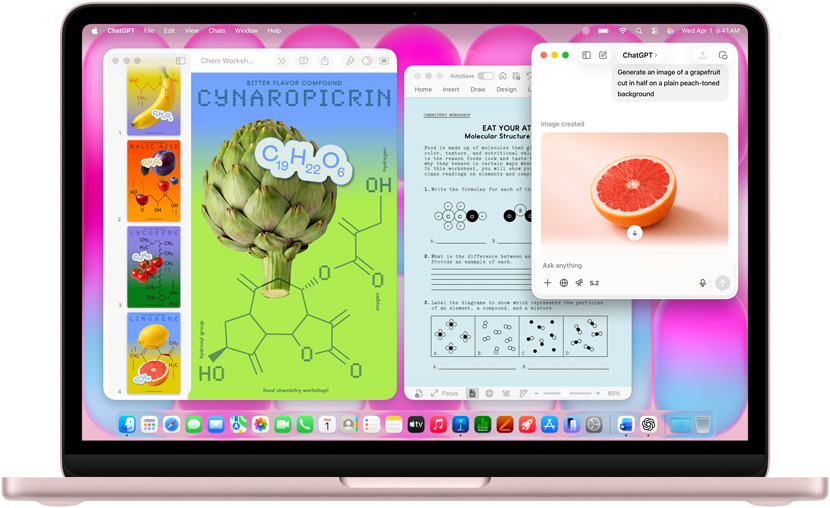
It is not a filler device with an Apple logo slapped on it. The MacBook Neo runs on the A18 Pro chip, featuring a 16-core Neural Engine designed for Apple Intelligence, five graphics cores, and up to 16 hours of certified battery life. All within a fanless aluminum chassis, without a single audible noise, sporting a 13-inch Liquid Retina display capable of reproducing one billion colors at 500 nits of brightness.
For that price.
For Apple, $599 is the new cheap. The market has its own benchmarks.
Why the $599 MacBook Neo shakes up the Windows laptop market
Windows laptop manufacturers have been trapped between two pressures for months: from above, NVIDIA chips for artificial intelligence drive up the high end; from below, Chinese manufacturers sell decent hardware for under $400. Apple had never competed in that bracket. It never needed to.
The MacBook Neo dives headfirst into the segment where Acer, ASUS, Lenovo, and HP live with their entry-level lines. And it enters with an advantage that doesn't show up on any spec sheet: the ecosystem. macOS Tahoe, Apple Intelligence, iPhone and iPad integration, Apple Store technical support. All of that is part of the $599.
According to Apple's official press release, the A18 Pro offers processing speeds up to 50% faster in conventional tasks compared to laptops equipped with Intel Core Ultra 5, and up to three times more power in artificial intelligence calculations executed on-device. Rival manufacturers will have their own benchmarks and their own arguments.
What they cannot easily refute is the starting price figure.
The launch capped off a week of announcements that Apple simultaneously rolled out in New York, London, and Shanghai on March 3. That geography is not decorative: it is the map of the three markets where the company needs to grow in 2026.
iPad Air M4 and iPhone 17e: the previous day's move
The MacBook Neo absorbed all the attention, but Tuesday had already offered plenty.
The iPad Air with the M4 chip arrived with a price cut of between 50 and 100 euros compared to the previous model. The decision clashes with the sector's reality: NAND flash memory prices have skyrocketed due to demand from data centers processing cloud artificial intelligence models. That Apple lowers prices while component costs rise says something about its margins in tablets, or about how badly it needs to gain market share against Samsung and the Android ecosystem.
The iPhone 17e completes the picture. One rear camera, a smaller screen, more modest specs. An iPhone for those who use an iPhone out of ecosystem inertia or integration needs, not for the cameras. The company hasn't invented anything new: the iPhone SE already existed. But the 17e arrives at a moment when mid-range Android has improved enough for the price argument to be relevant again.
Three products in two days. Apple does not usually move like this.
1TB minimum on the MacBook Pro: what AI is demanding of hardware
Buried under the Neo's spotlight, another change carries more technical weight than it appears.
The MacBook Pro will now be sold with 1 Terabyte of storage as the base configuration. The MacBook Air goes up to 512 Gigabytes. The leap is significant when you remember that 256 GB was the entry standard just two years ago. The reason is straightforward: local artificial intelligence models consume massive volumes of storage to operate parameter libraries, manage caching, and prevent write cycles from degrading internal components prematurely.
Apple does not present it as a consequence of AI. It presents it as a product improvement.
Both are true.
MacBook Neo and recycled cobalt: the figure awaiting verification
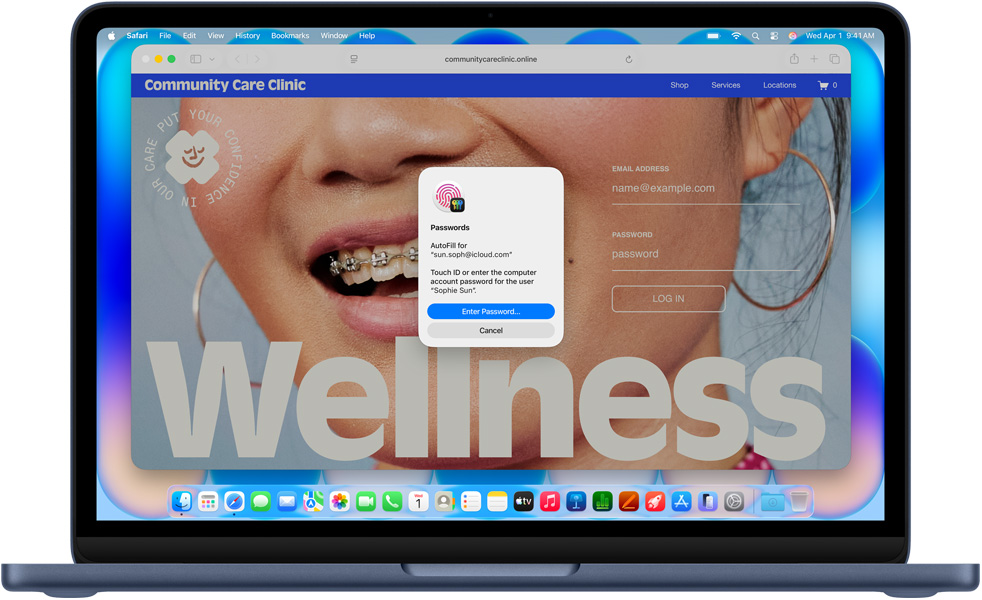
The MacBook Neo incorporates 100% recycled cobalt in its battery and 90% recycled aluminum in its enclosure, figures Apple presents as an internal sustainability record.
Cobalt has one of the most troubled supply chains on the planet, historically linked to problematic labor conditions in the Congo. That Apple can cover such a percentage with recycled material is a datapoint that, if sustained under independent audit, would signal that consumer electronics recycling chains are maturing enough to feed mass-scale production.
That independent validation is missing from the official press release.
Windows laptop manufacturers have until March 11 to decide whether the MacBook Neo is a minor problem or one demanding an urgent response. A week is little time to rethink a pricing strategy. Apple knows this.
Sources
The most important news while you enjoy a cup of coffee.
Join our community. Get our exclusive weekly analysis before anyone else.
Related News

TecnologíaGlobal
5 min read
NASA confirms the date and menu for Artemis II
The Orion spacecraft has no refrigerator or resupply. That's why NASA designed 189 unique items, amaranth as protein, five types of hot sauce, and 43 cups of coffee for 10 days around the Moon.

TecnologíaDinero
5 min read
Meta lays off 16,000 people. Its stock rises 3%
Reuters confirmed plans to cut up to 20% of Meta's workforce. Wall Street celebrated the news with a 3% surge. In 2026, AI already justifies 55,775 layoffs in the tech sector.

Tecnología
6 min read
AI already solves centuries-old math. What your bank encrypts is being rebuilt from scratch.
AlphaEvolve surpassed any known human solution in 20% of 67 open mathematical problems. At the same time, the RSA encryption that protects banks and government networks has been in the process of replacement for months. Two converging transformations.


