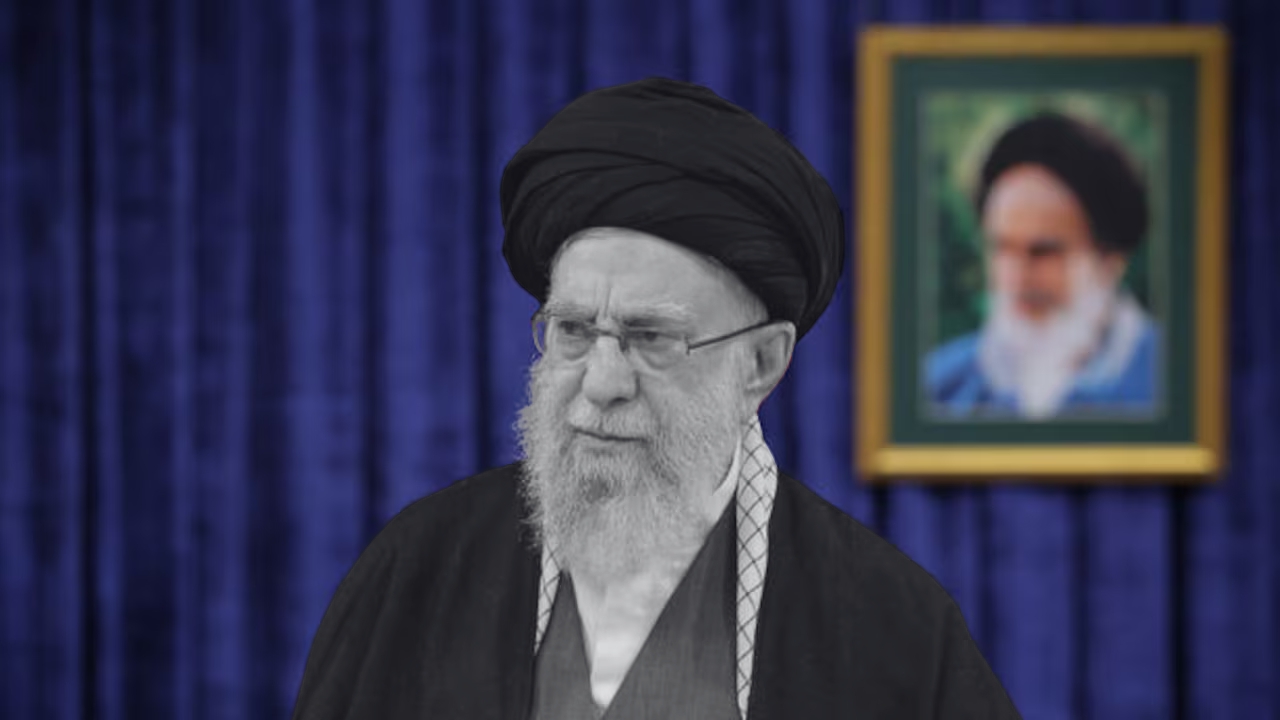
Ali Khamenei, Iran's supreme leader for over three decades, is dead. The U.S. and Israel confirmed this on February 28 following the most ambitious joint military attack the West has executed against Iranian territory, an operation that began at dawn and by noon had irreversibly transformed the power map in the Middle East.
The operation nobody wanted to name until it happened
The White House dubbed the mission "Epic Fury." Israel called it "Lion's Roar." Two different names for a single chain of command that coordinated simultaneous strikes on nuclear facilities in Natanz and Fordow, ballistic missile depots in Isfahan province, and Revolutionary Guard barracks around Tehran. According to the Pentagon's statement, B-2 Spirit bombers, Israeli F-35 fighters, and a battery of cruise missiles launched from the eastern Mediterranean were involved. It wasn't a warning. It was the target.
Donald Trump, from the White House Situation Room, sent a direct message to the Iranian population: take control of your government. A phrase that, spoken hours before confirming the supreme leader's death, ceases to be rhetoric and becomes state policy declared out loud.
Khamenei had been steering the Islamic Republic for 36 years. His death doesn't close the conflict. It opens it in a direction no one controls yet.
Iran's response: missiles on five countries in a single night
The Revolutionary Guard activated "Operation True Promise 4" just hours after the first impact. The naming is not accidental: it's the fourth installment of a retaliation doctrine Tehran has been escalating since 2024, each time with greater geographic reach and less diplomatic warning.
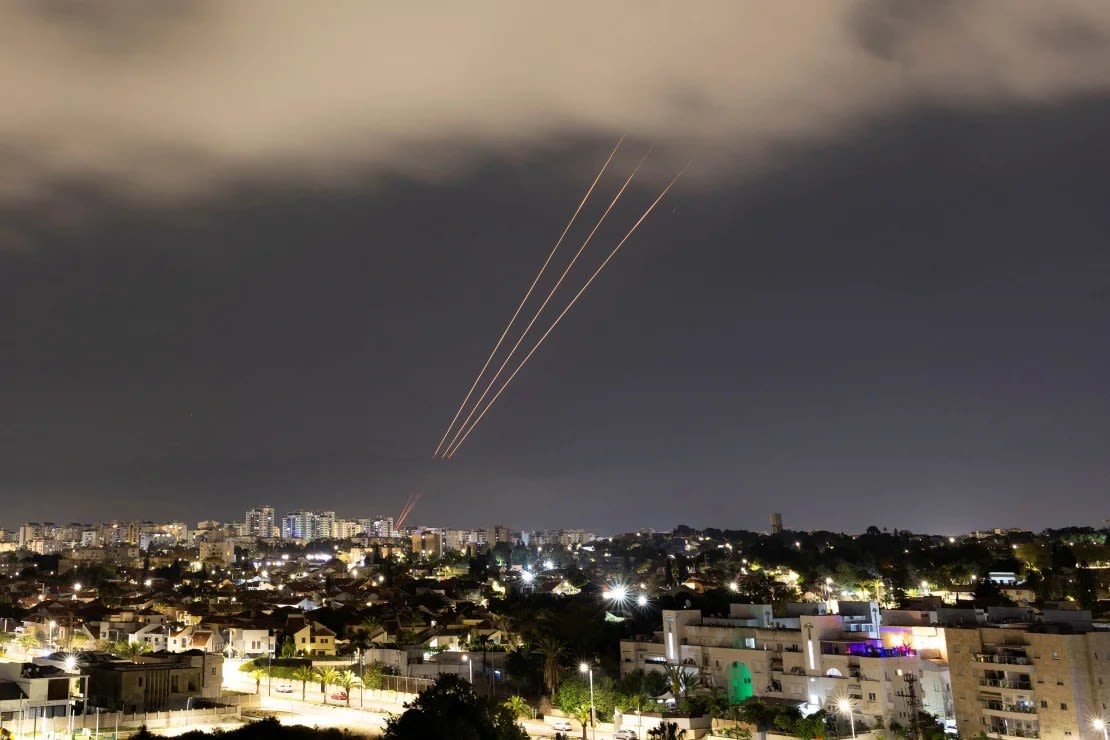
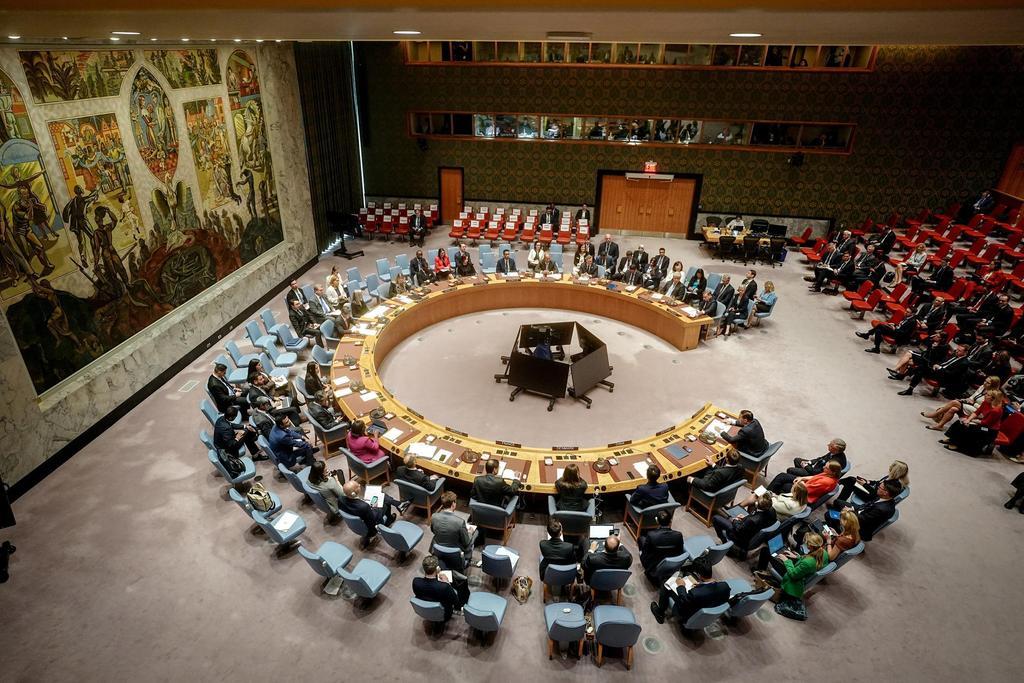
This time the targets were U.S. military bases in Qatar, Bahrain, the United Arab Emirates, Kuwait, and Saudi Arabia, plus Israeli territory with a separate wave of ballistic missiles and drones. Five sovereign countries attacked within a window of hours. The UN Security Council convened an emergency meeting that, at the time of publication, had not yet produced any joint statement.
The Patriot missile defense system intercepted part of the Iranian arsenal over Saudi and Emirati soil. Casualties at U.S. bases have not been officially confirmed by the Pentagon. The silence carries its own meaning.
What this attack reveals about more than just Iran
We have spent years debating whether an operation like this was possible, legal, or even rational. The question nobody asked with enough seriousness was whether it was inevitable given the board's design. The U.S. just answered that in the only way great powers answer uncomfortable questions: with a fait accompli.
Khamenei's death neither defuses the Iranian nuclear program nor dissolves the Revolutionary Guard. It defuses the institutional continuity of the regime as we knew it. What comes next, an orderly succession, a factional civil war, a void others will fill,is the variable no think tank modeled in sufficient detail because modeling it required accepting that this would happen.
We have reached the point where an American president publicly instructs a foreign population to depose its government while his planes do the heavy lifting. That this generates less debate than a controversial tweet about tariffs says something about the state of our collective attention.
The precedent that turns this into a pattern
Israel has spent more than eighteen months executing a systematic decapitation campaign of enemy leaderships: first Gaza, then Hezbollah, then Revolutionary Guard assets in Syria. Each step was presented as a proportionate response. Each proportionate response built the next step. Early this morning's attack is not an anomaly in that sequence. It's its logical conclusion.
For Saudi Arabia and the Emirates, receiving Iranian missiles on their own soil, despite ongoing normalization agreements with Israel, constitutes a rupture that directly affects their regional security calculations and their relations with Washington. Nobody in Riyadh asked to participate in this conflict. Nobody asked them.
What happens now to Iran without Khamenei?
The Islamic Republic has a constitutional succession mechanism: the Assembly of Experts designates a new supreme leader. The problem is that this process was designed for an orderly transition, not for active war with its nuclear facilities in ruins and its own missiles still in the air.
Mojtaba Khamenei, the late leader's son, has been positioned for years as a potential successor without a formal title. Whether the Assembly of Experts can meet, whether it can deliberate, whether its members are even in a position to do so: these are three conditions whose answers remain unclear this morning.
The price of Brent crude oil surpassed $130 per barrel in Asian markets before this edition closed. European markets open in a few hours.
What happens in the next 72 hours, in Tehran, in Washington, in Riyadh, and in the halls of the UN,will define whether this was a surgical strike with manageable consequences or the first chapter of something that doesn't yet have a name.