Technology•4 min read
Mexico Unveils Latin America's First Autonomous Vehicle: Monterrey to Test It Before World Cup 2030

Monterrey just put Latin America on the autonomous driving map. Tecnológico de Monterrey unveiled the first public-use autonomous vehicle developed entirely in the region, a technological bet that promises to transform urban mobility before the 2030 FIFA World Cup arrives. The project, combining local engineering with state government collaboration, plans to begin public road testing within 2 to 3 years and deploy commercially before the planet's biggest sporting tournament.
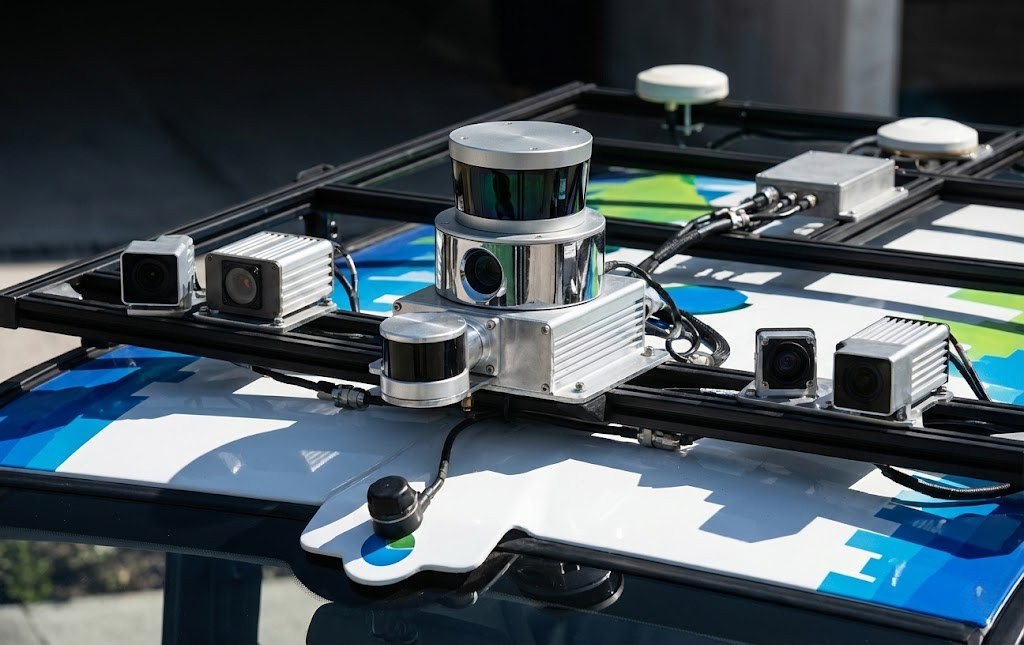
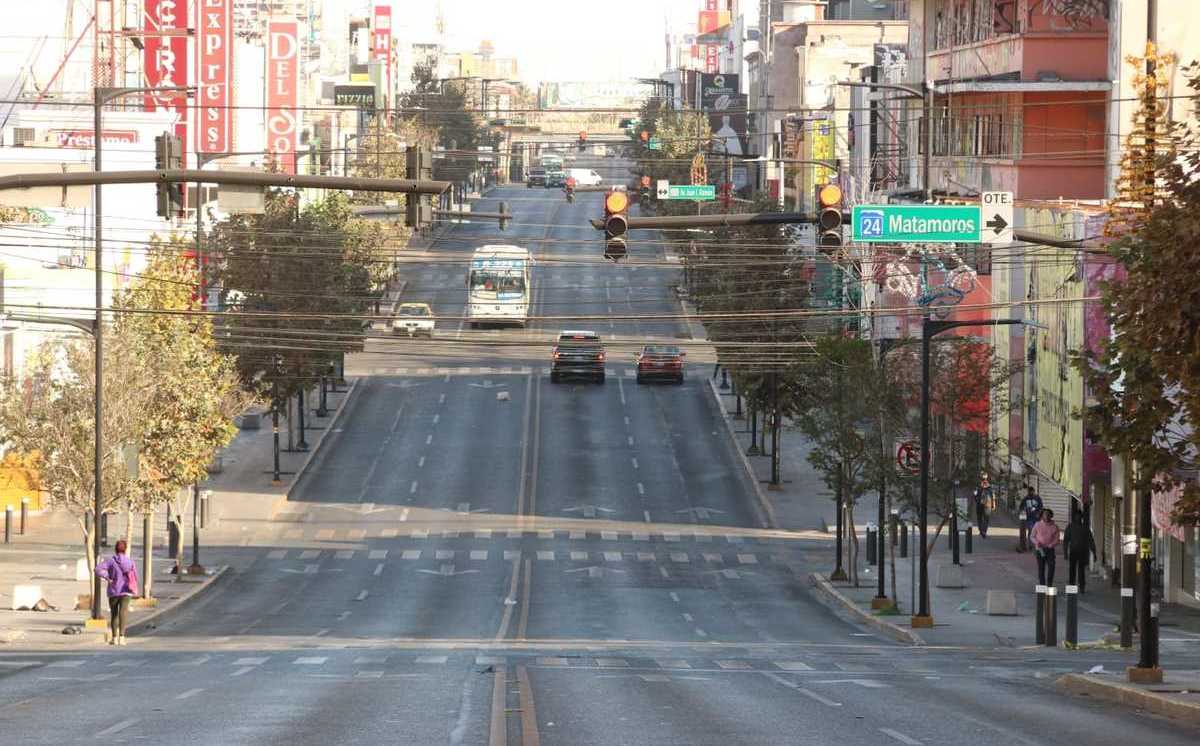
The vehicle uses a combination of LiDAR sensors, high-resolution cameras, radars, and artificial intelligence algorithms trained specifically for Mexican traffic conditions. Unlike prototypes developed in Silicon Valley or Shanghai, this system was calibrated to deal with Latin American urban chaos: streets without consistent signage, unpredictable drivers, pedestrians who cross wherever they please, and road infrastructure that sometimes feels more like a suggestion than a standard.
Technology Adapted to Local Reality
Engineers at Tecnológico de Monterrey emphasized that this isn't about importing technology and superficially adapting it, but designing from scratch a system that understands the regional context. "Autonomous vehicles developed in the United States or Europe operate in highly regulated environments. Here you need a system that constantly anticipates the unexpected," explained a project spokesperson at the official presentation. The vehicle incorporates neural networks trained with millions of hours of driving in Mexican cities, enabling it to recognize local driving behavior patterns.
The project doesn't walk alone. Nuevo León state authorities have signed collaboration agreements to facilitate public road testing, update traffic regulations, and prepare connected infrastructure (smart traffic lights, urban sensors). The 2030 World Cup, which will have venues in Mexico, the United States, and Canada, serves as the target deadline: the state government wants to showcase fleets of autonomous vehicles transporting fans between stadiums, hotels, and airports.
Implementation and Regulatory Challenges
Of course, the road is full of potholes, both literal and metaphorical. Mexico still lacks a specific federal regulatory framework for autonomous vehicles. Each state can establish its own rules, creating a complicated legal mosaic for scaling the project nationally. Nuevo León is working on pioneering legislation, but other states are watching cautiously before committing. Additionally, Mexico's road infrastructure varies dramatically between cities: what works in Monterrey might fail spectacularly in Oaxaca or Veracruz.
Funding also raises questions. The project received initial investment from state funds, private capital, and Tecnológico de Monterrey resources, but expanding the fleet and keeping it operational requires budgets that aren't yet secured long-term (exact amounts not confirmed by official sources). The World Cup offers a political and economic carrot: if the system works in 2030, it attracts foreign investors and positions Mexico as a regional tech hub. If it fails, it becomes an expensive white elephant.
Latin America in the Autonomous Race
The announcement places Mexico as the regional leader in a race where Brazil, Chile, and Argentina are also playing. Brazil is experimenting with autonomous buses in São Paulo; Chile is testing autonomous electric vehicles in mining zones; Argentina is developing driverless taxis in Buenos Aires. However, none has reached the scale of comprehensive development that Monterrey promises. The difference lies in integration: vehicle, infrastructure, regulation, and private capital all aligned toward a concrete objective.
Tecnológico de Monterrey also opens the door to international collaborations. Global automakers are watching with interest: if the system works in Mexico, it can be exported to other emerging markets with similar conditions. The model could be replicated in India, Indonesia, the Philippines, or any region where urban chaos is the norm and not the exception.
Initial tests will begin in closed circuits on the university campus, followed by controlled urban routes in Monterrey before 2028. If everything goes as planned, the 2030 World Cup will see driverless vehicles circulating among crowds of fans, international cameras, and global scrutiny. Mexico is betting big: the question is whether the technology, regulation, and infrastructure will be ready when the time comes to prove it to the world.
The most important news while you enjoy a cup of coffee.
Join our community. Get our exclusive weekly analysis before anyone else.
Related News

TecnologíaGlobal
5 min read
NASA confirms the date and menu for Artemis II
The Orion spacecraft has no refrigerator or resupply. That's why NASA designed 189 unique items, amaranth as protein, five types of hot sauce, and 43 cups of coffee for 10 days around the Moon.

TecnologíaDinero
5 min read
Meta lays off 16,000 people. Its stock rises 3%
Reuters confirmed plans to cut up to 20% of Meta's workforce. Wall Street celebrated the news with a 3% surge. In 2026, AI already justifies 55,775 layoffs in the tech sector.

Tecnología
6 min read
AI already solves centuries-old math. What your bank encrypts is being rebuilt from scratch.
AlphaEvolve surpassed any known human solution in 20% of 67 open mathematical problems. At the same time, the RSA encryption that protects banks and government networks has been in the process of replacement for months. Two converging transformations.


