Technology•5 min read
Samsung moves to 2 nanometers with the S26. And incidentally breaks Apple's AirDrop monopoly

For twenty-two years, Samsung has been promising that its own chip would be as good as Qualcomm's. On February 25, at the Palace of Fine Arts in San Francisco, they stopped promising.
The Exynos 2600, manufactured on a 2-nanometer process, lands in the Galaxy S26 and S26+ as the Korean company's riskiest and most significant bet in the last decade. It's not the Ultra's chip, that remains the Snapdragon 8 Elite Gen 5, reserved for the United States, China, and Japan,but the one powering the phone that most people will actually buy. The phone that most Europeans will have in their pockets starting March 11. Samsung isn't testing its 2nm lithography in a lab: it's testing it in the mass market.
The numbers accompanying the Exynos 2600 match that generational leap. The chip's prime core operates at 3.9GHz, and the vapor chamber has been repositioned to the edges of the chip, improving thermal management by 29% compared to the previous generation. In terms of concrete performance against the S25+, the S26+ offers 38% faster AI speed, a 23% graphical improvement, and a 7% increase in processor speed. The Ultra's Snapdragon, meanwhile, achieves around 19% more CPU performance, nearly 24% more graphics power, and up to a 39% improvement in the NPU. Both chips aim for the same goal: running language models locally, without relying on cloud servers for every AI operation.
What nobody expected from this Unpacked event was the wedge Samsung just drove into Apple's ecosystem. The Galaxy S26 arrives with AirDrop support via Quick Share. The S26 series allows sending and receiving files with Apple devices that support AirDrop; the Pixel 9 and Pixel 10 models already had this functionality, and now Samsung's latest flagships join them. The mechanism isn't magic: it requires the receiving iPhone to have AirDrop set to "Everyone," and the Galaxy to have Quick Share active. But it works. And it's going to work on the best-selling Android phone on the planet.
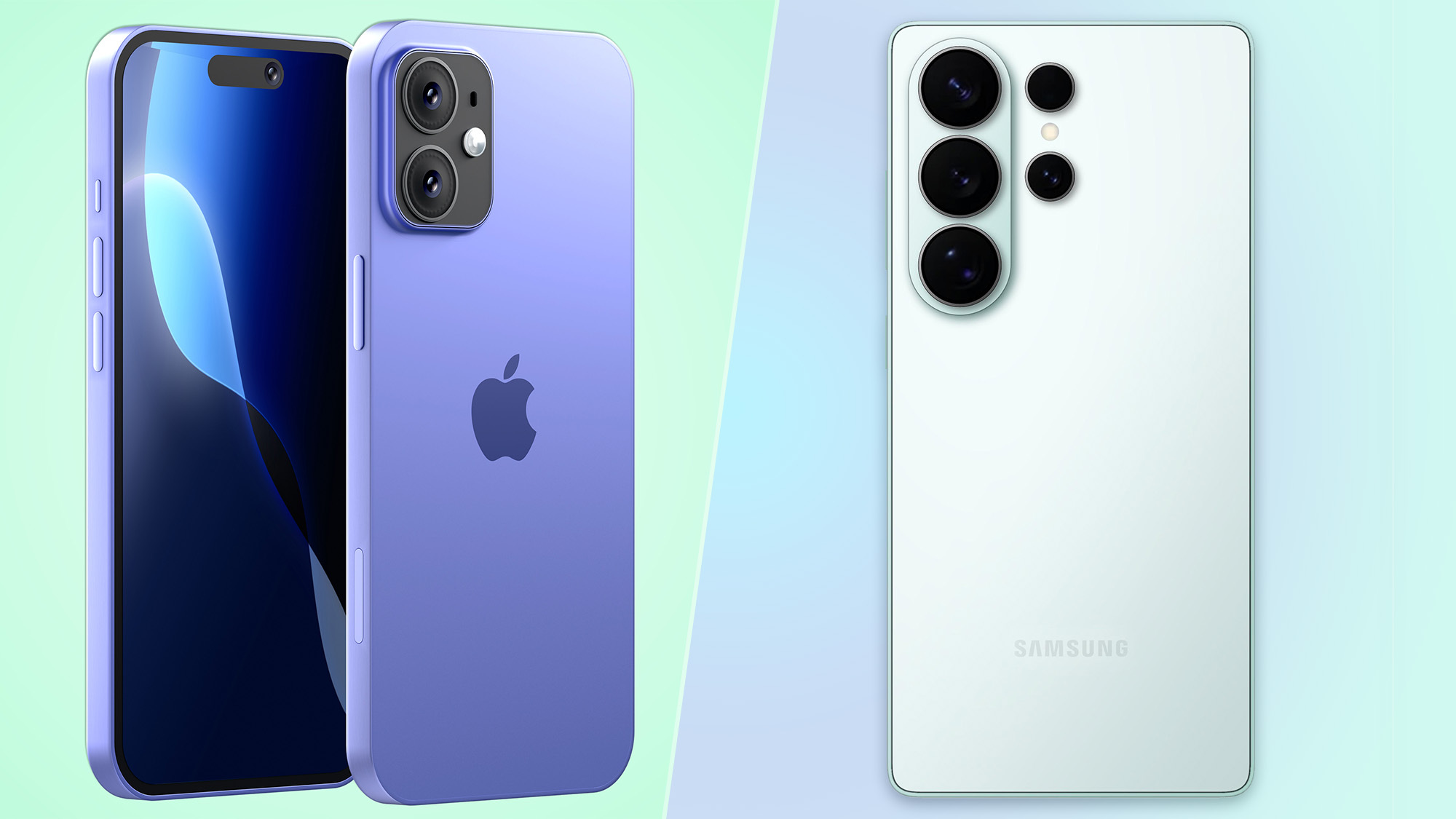
This didn't happen because of Apple's generosity. The change is part of a broader trend toward interoperability driven by European regulators under digital markets legislation, and by organizations like the Bluetooth SIG and Wi-Fi Alliance to simplify device discovery and local data exchange. Put another way: regulators pushed, Google found the technical gap with the Pixels, and Samsung has opened the door to the bulk of the Android ecosystem. Apple has remained silent. For now.
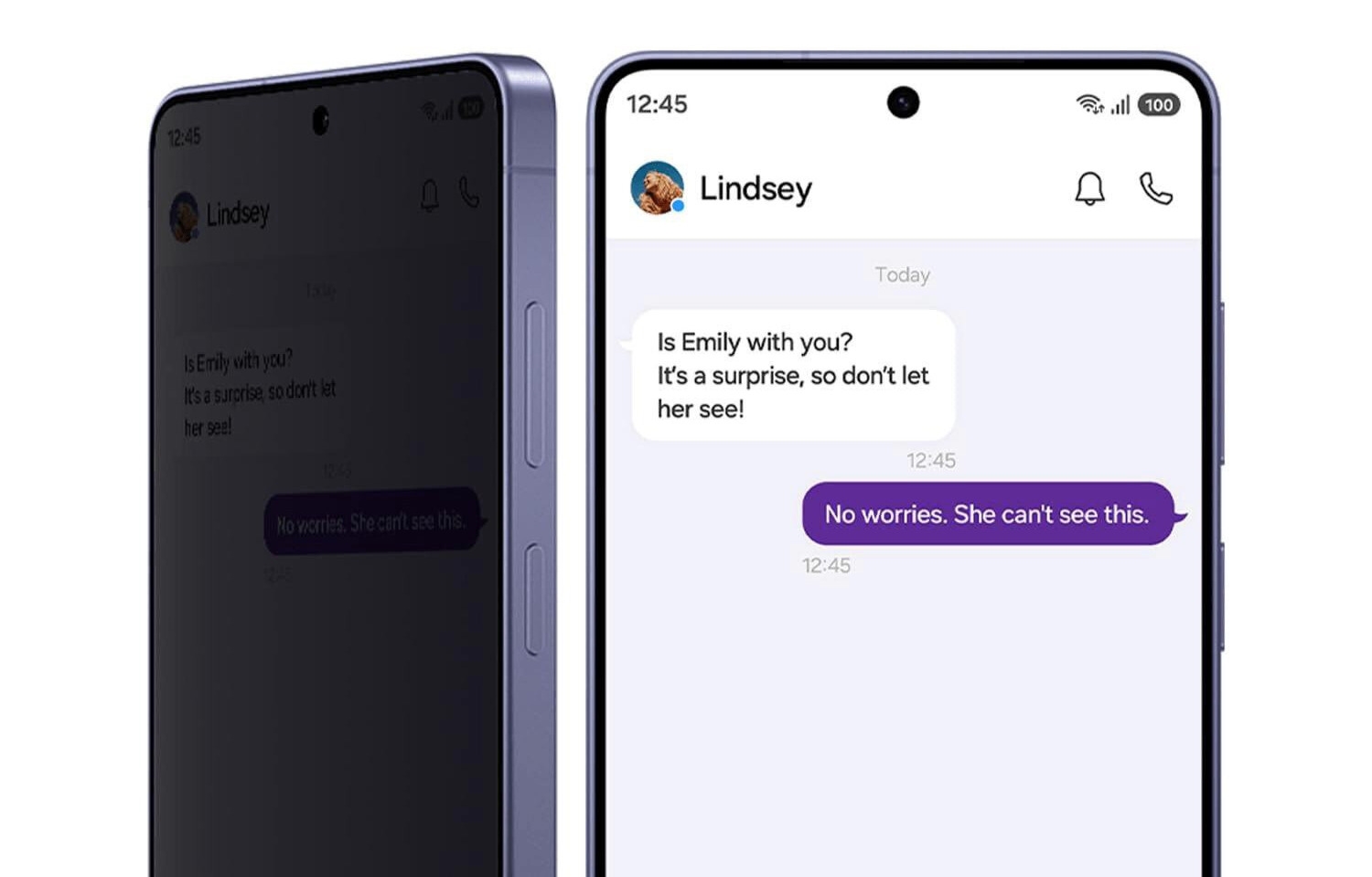
The event's other headline is the Ultra's Privacy Display. The panel restricts lateral visibility beyond a 30-degree angle: viewed head-on, the content remains bright and sharp, but anyone trying to look from the side finds the content noticeably darkened. It's not a physical adhesive filter like those sold in airports for years, but a hardware matrix feature integrated right into the Dynamic AMOLED 2X panel itself. Samsung calls it "Privacy Display" and is reserving it, for the moment, for the Ultra.
The Galaxy S26 Ultra weighs 214 grams, 0.3 mm thinner than its predecessor. Small tweaks that in practice make a difference for those who use their phone without a case. The main camera jumps to 200MP on the Ultra with a 50MP telephoto lens and 5x optical zoom; the S26 and S26+ share a triple 50MP configuration on the main sensor. AI acts at the level of the image signal processor (ISP), which for the first time also extends to the front-facing camera.
In terms of software, the bet is on the coexistence of three assistants: Bixby for voice-controlling the device, Gemini as a native productivity layer with Android 16 and One UI 8.5, and Perplexity, which can be activated both from the side key and with the "Hey Plex" voice command. Three assistants on the same phone is either the democratization of conversational AI or the chaos of conversational AI. Probably both at the same time.
The price tells its own story. The Ultra maintains its price point for the second consecutive year, starting at $1,299 in the United States. The base models weren't as lucky: the S26 jumps $100 to $899, while the S26+ goes up to $1,099, the first price hike since the Galaxy S22. Samsung absorbs the cost of the new chip in the premium model and passes it on to the entry-level devices. Pre-orders have been open since the day of the event; the retail launch is March 11.
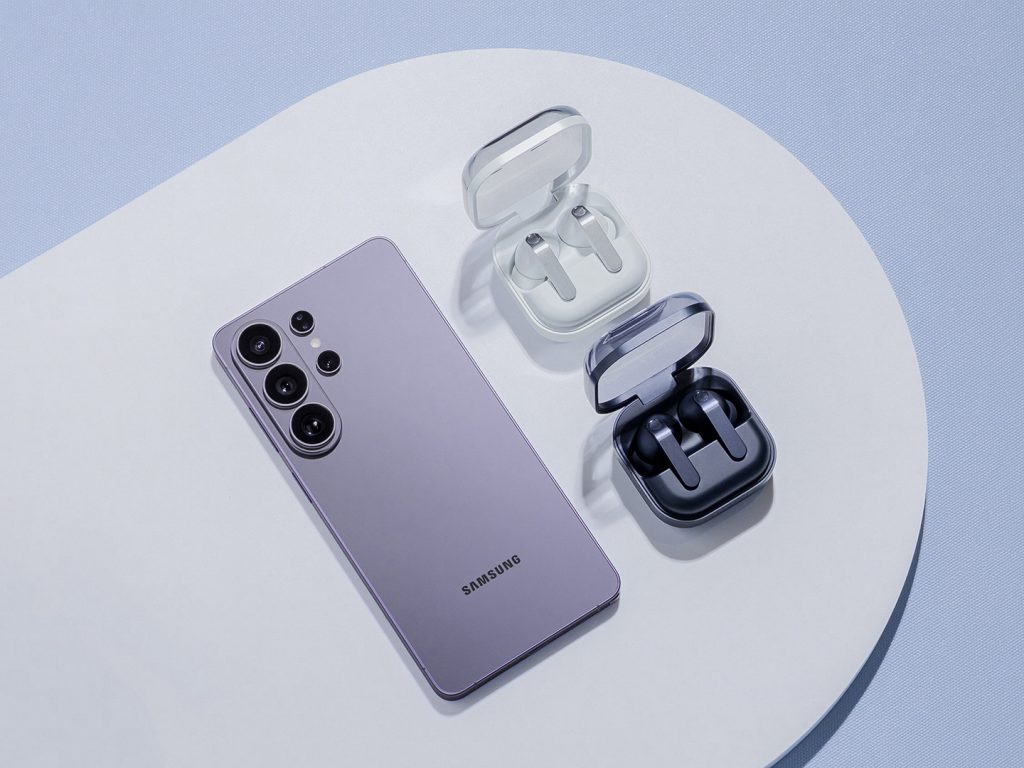
The Galaxy Buds 4 and Buds 4 Pro complete the ecosystem with improved active noise cancellation and tighter integration with Galaxy AI. Samsung didn't give them much stage time, but there they are: the earbud ecosystem that integrates a bit more with the phone every year until separating one from the other ceases to make commercial sense.
Since the Galaxy S6 in 2015, Samsung has been alternating between its own chips and Qualcomm depending on market convenience, performance, and above all, thermals. The Exynos had eras of downright embarrassment, the 990, the 2200,and eras of quiet vindication. The 2600 is the most serious bet the company has made in this cycle, and it has placed it where losing hurts the most: in the phone of the high-end European customer who has to decide whether to upgrade this year.
What remains unresolved is what happens six months from now, when the first long-term thermal reviews arrive and the two chips are compared under real conditions of intensive use. Samsung knows this. That's why the Ultra is still Snapdragon.
Sources
The most important news while you enjoy a cup of coffee.
Join our community. Get our exclusive weekly analysis before anyone else.
Related News

TecnologíaGlobal
5 min read
NASA confirms the date and menu for Artemis II
The Orion spacecraft has no refrigerator or resupply. That's why NASA designed 189 unique items, amaranth as protein, five types of hot sauce, and 43 cups of coffee for 10 days around the Moon.

TecnologíaDinero
5 min read
Meta lays off 16,000 people. Its stock rises 3%
Reuters confirmed plans to cut up to 20% of Meta's workforce. Wall Street celebrated the news with a 3% surge. In 2026, AI already justifies 55,775 layoffs in the tech sector.

Tecnología
6 min read
AI already solves centuries-old math. What your bank encrypts is being rebuilt from scratch.
AlphaEvolve surpassed any known human solution in 20% of 67 open mathematical problems. At the same time, the RSA encryption that protects banks and government networks has been in the process of replacement for months. Two converging transformations.


