Sports•3 min read
Milan-Cortina 2026: Dutch Records, Swiss Dominance, and Women's Hockey Power

Milan-Cortina in Turmoil: Medals, Records, and Flags Rising in the Global Count
The days of February 10 and 11 at the Winter Olympic Games Milano-Cortina 2026 left raw emotions and marks that rewrite historical tables. Between agile Dutch doubles, Swiss dominance in combined events, and curling finals that brushed with the epic, it became clear that these days may define how this edition will be remembered: by speed, by precision, and by tactical surprises.
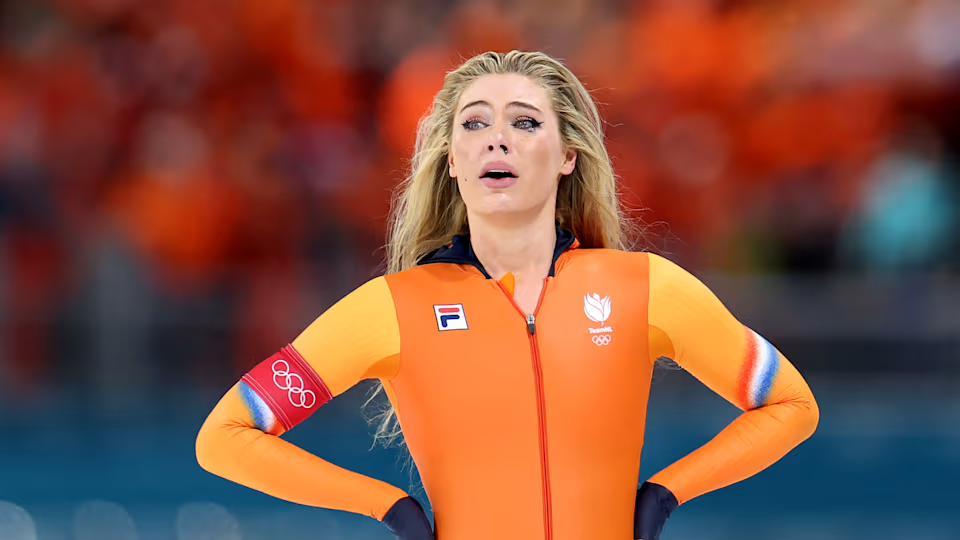
Skating and Speed: Dutch Double and Records
In a session that took everyone's breath away, Jutta Leerdam set a new Olympic record in the women's 1,000m with 1:12.31, snatching glory from her teammate Femke Kok, who had left her mark in the semifinals with 1:12.59. The Dutch double evidences an obsessive work structure: refined start technique, curve handling, and physical preparation that converts tenths into medals.
The sporting impact is immediate: the Netherlands reinforces its hegemony in speed and forces rivals to rethink training and start bases. For Leerdam, it is the confirmation of a career that had brushed against her without consummating her until now.
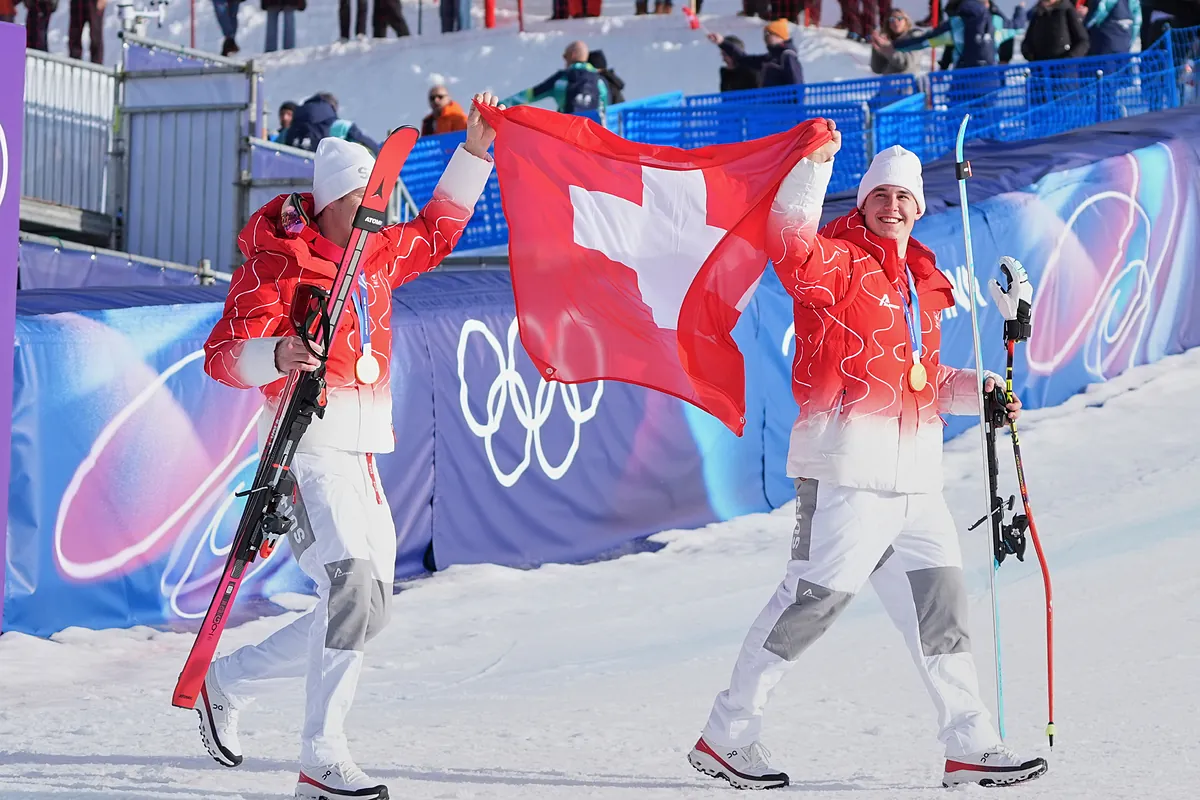
Switzerland and the Surprise in Team Combined
Alpine skiing showed novelties: the men's team combined consecrated Switzerland, with Franjo von Allmen and Tanguy Nef as pillars,beating Austria by less than a second. The event, which debuted a format, rewarded synchronization and versatility: alternating aggressive descents with technical control is not for everyone. Switzerland, which has been seen as a power in technical events, took advantage of group cohesion and calculated risk-taking to gain an advantage in a final that was resolved by just 0.99 seconds.
Curling, Snowboard, and Jumping: Emotion in Every Discipline
In mixed curling, the Wranås (Sweden) signed a dramatic gold after coming back in the last end to beat the United States 6-5. Scandinavian precision against North American drive highlighted the importance of reading the ice and managing the hammer in decisive moments. In women's snowboard big air, Kokomo Murase (Japan) shone with a perfect run that earned her the gold ahead of Zoi Sadowski-Synnott (NZL) and Yu Seungeun (KOR).
Jumps, slopestyle, and freestyle skiing completed the agenda with podiums distributed and some strategic surprises that show the competitive depth of these Games.
Women's Hockey: North America Sets the Pace
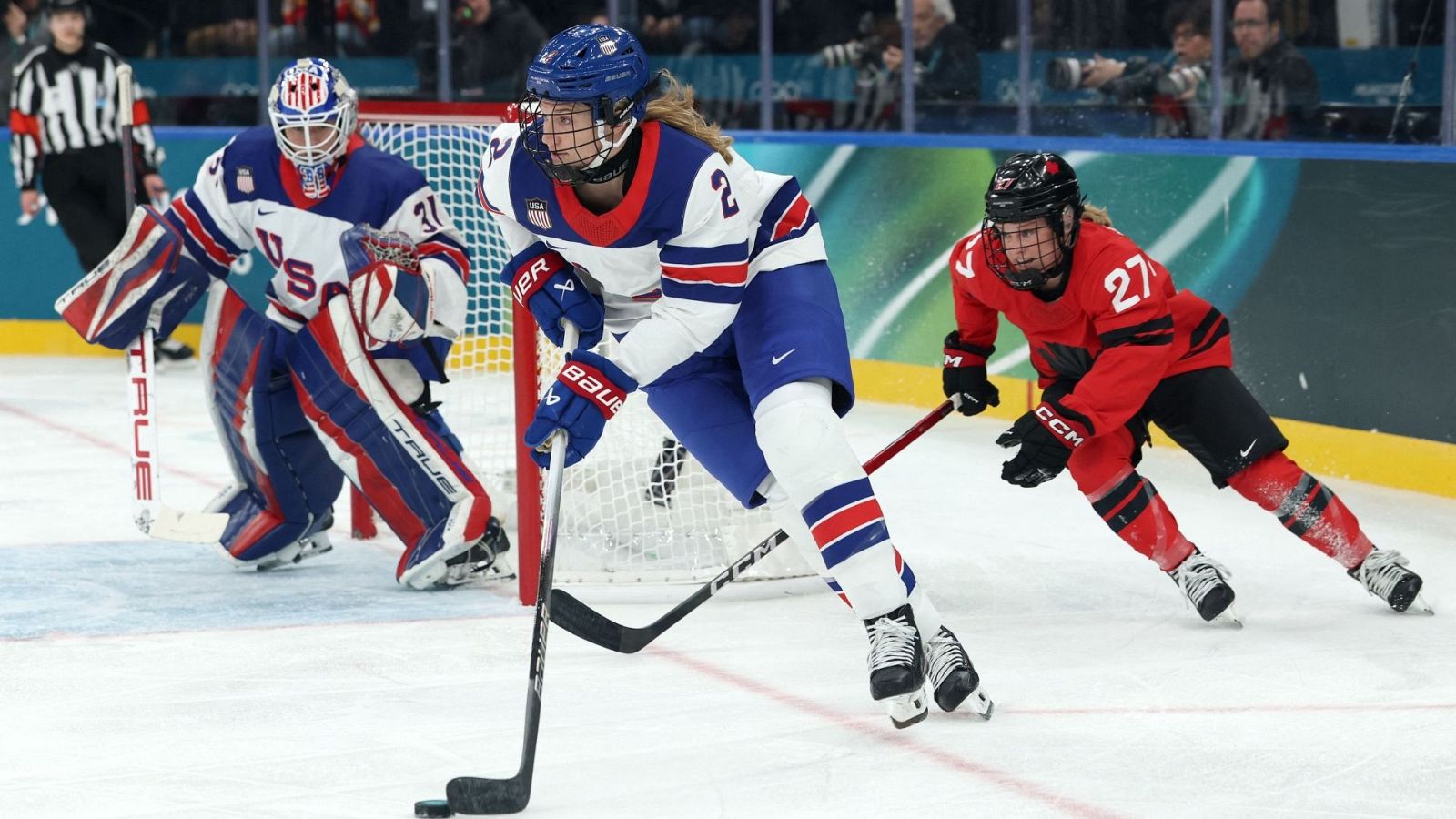
The United States maintains a relentless start: 3 victories and clear dominance in results (5-0 over Switzerland in the last match). Canada responds with solvency, and the fight for semifinal spots promises intense duels. The physical and tactical superiority of the North American teams places them as favorites, but the tournament is still young and surprises are the order of the day.
What Does the Day Leave and What Comes Next?
Trends were consolidated: national structures with young and well-financed programs (Netherlands in speed, Switzerland in alpine) take the spotlight. For the organizers, the mix of records and tight finishes is a good argument for global impact; for the technicians, the reading is different: investment in scientific bases and specific start and curve work is the difference between silver and gold.
The agenda remains packed: relays, distance events, and finals on ice will mark the next few days. If there is an early lesson, it is this: in Milan-Cortina, big names are not enough; the teams that fine-tune minuscule details rule.
The most important news while you enjoy a cup of coffee.
Join our community. Get our exclusive weekly analysis before anyone else.
Related News

Deportes
8 min read
Champions League: Real Madrid vs Bayern, Barça vs Atleti. The Final Starts in the Quarterfinals
Jaw-dropping thrashings, the Premier League knocked out almost entirely, and four matchups that look like they were pulled from a dream final. The round of 16 set the stage for April.

Deportes
6 min read
World Baseball Classic: Venezuela reaches its first final. USA plays its third straight
For the first time in 20 editions, Venezuela plays for the World Baseball Classic title. Across from them: the favorite at -275 on the money line and a 24-year-old starter his manager describes as 'built for this moment'.

DeportesCultura
5 min read
The Jumpman arrives at the Maracanã. Brazil will wear Jordan at the 2026 World Cup
For the first time in history, a national team will wear the Jumpman logo at a World Cup. Brazil today presented in São Paulo its second kit signed by Jordan Brand, available starting March 13.


