Sports•5 min read
Norway Sweeps Milano-Cortina 2026 with 18 Gold Medals: Italy Celebrates Best Winter Olympic Performance Ever

The closing ceremony of the Milano-Cortina 2026 Winter Olympic Games confirmed what had been visible since the first week of competition: Norway remains the indisputable powerhouse of winter sports, and nobody is even remotely close to catching them. The Scandinavian nation closed the games with 18 gold medals, 12 silver, and 11 bronze, for a total of 41 medals that left the rest of the world watching from a distance. The Verona Olympic Arena witnessed the official handover of the Olympic flag to the French Alps 2030 delegation, closing two weeks of competition under the motto "Beauty in Action."
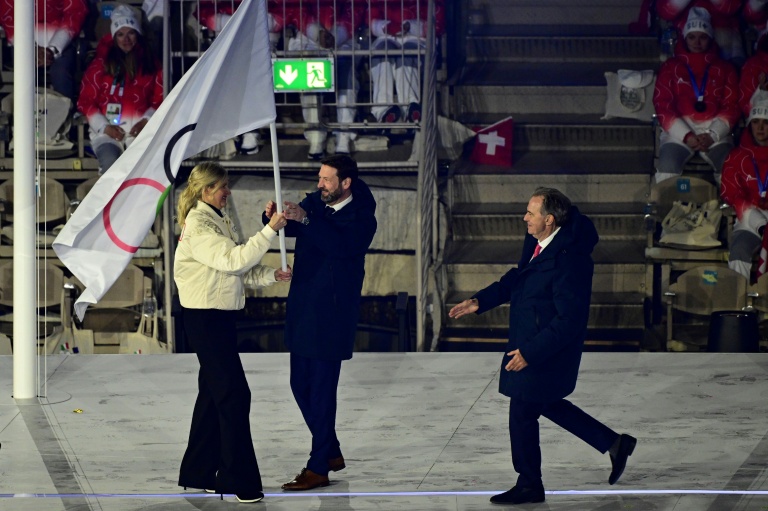
Kirsty Coventry, President of the International Olympic Committee, led the closing ceremony that combined visual spectacle with the traditional Olympic protocol. The handover of the Olympic flag to the French Alps representatives officially marks the start of the countdown to the next Winter Games in 2030, which will be held across French Alpine territory in a distributed approach spanning multiple venues.
Norway: the Unstoppable Nordic Machine
Norway's 18 golds are neither coincidence nor a lucky streak. They are the result of decades of systematic investment in sports infrastructure, talent identification programs from childhood, and a national culture where winter sports are not a hobby but an identity. Johannes Høsflot Klaebo, Therese Johaug, and the rest of the Norwegian delegation proved once again that cross-country skiing, biathlon, and speed skating are disciplines where Norway operates in a league of its own.
The United States finished in second place in the medal table, though the exact figures for their silver and bronze medals were not officially confirmed by the close of the ceremony. The Netherlands also features in the top 3, consolidating their historic dominance in speed skating on ice. But the gap between first place and the rest remains enormous. Norway not only won more golds than any other country, it also surpassed in total medals practically all of Western Europe combined.
| Rank | Country | 🥇 | 🥈 | 🥉 | Total |
|---|---|---|---|---|---|
| 1 |  Norway Norway | 18 | 12 | 11 | 41 |
| 2 |  United States United States | 12 | 12 | 9 | 33 |
| 3 |  Netherlands Netherlands | 10 | 7 | 3 | 20 |
| 4 |  Italy Italy | 10 | 6 | 14 | 30 |
| 5 |  Germany Germany | 8 | 10 | 8 | 26 |
| 6 |  France France | 8 | 9 | 6 | 23 |
| 7 |  Sweden Sweden | 8 | 6 | 4 | 18 |
| 8 |  Switzerland Switzerland | 6 | 9 | 8 | 23 |
| 9 |  Austria Austria | 5 | 8 | 5 | 18 |
| 10 |  Japan Japan | 5 | 7 | 12 | 24 |
| 11 |  Canada Canada | 5 | 7 | 9 | 21 |
| 12 |  People's Republic of China People's Republic of China | 5 | 4 | 6 | 15 |
| 13 |  Republic of Korea Republic of Korea | 3 | 4 | 3 | 10 |
| 14 |  Australia Australia | 3 | 2 | 1 | 6 |
| 15 |  Great Britain Great Britain | 3 | 1 | 1 | 5 |
Italy: the Host That Delivered
For Italy, Milano-Cortina 2026 represented the best Winter Olympic performance in its history: 30 medals in total, broken down into 10 golds, 6 silvers, and 14 bronzes. The Italian delegation took advantage of competing on home snow, knowing the courses, and having the massive support of their fans. The golds came in disciplines where Italy has traditionally been competitive: alpine skiing, bobsled, and some figure skating events.
The result carries political and economic weight. Hosting an Olympic Games costs billions of euros between infrastructure, security, logistics, and promotion. The return on investment for the host country is measured in future tourism, international projection, and national pride. Italy needed its delegation to perform to justify the expenditure. And it performed. The 30 medals allow the Italian government to declare victory both sportingly and organizationally, though the financial audits on the real cost of the games will arrive months later when nobody is paying attention anymore.
The Legacy and the Future: French Alps 2030
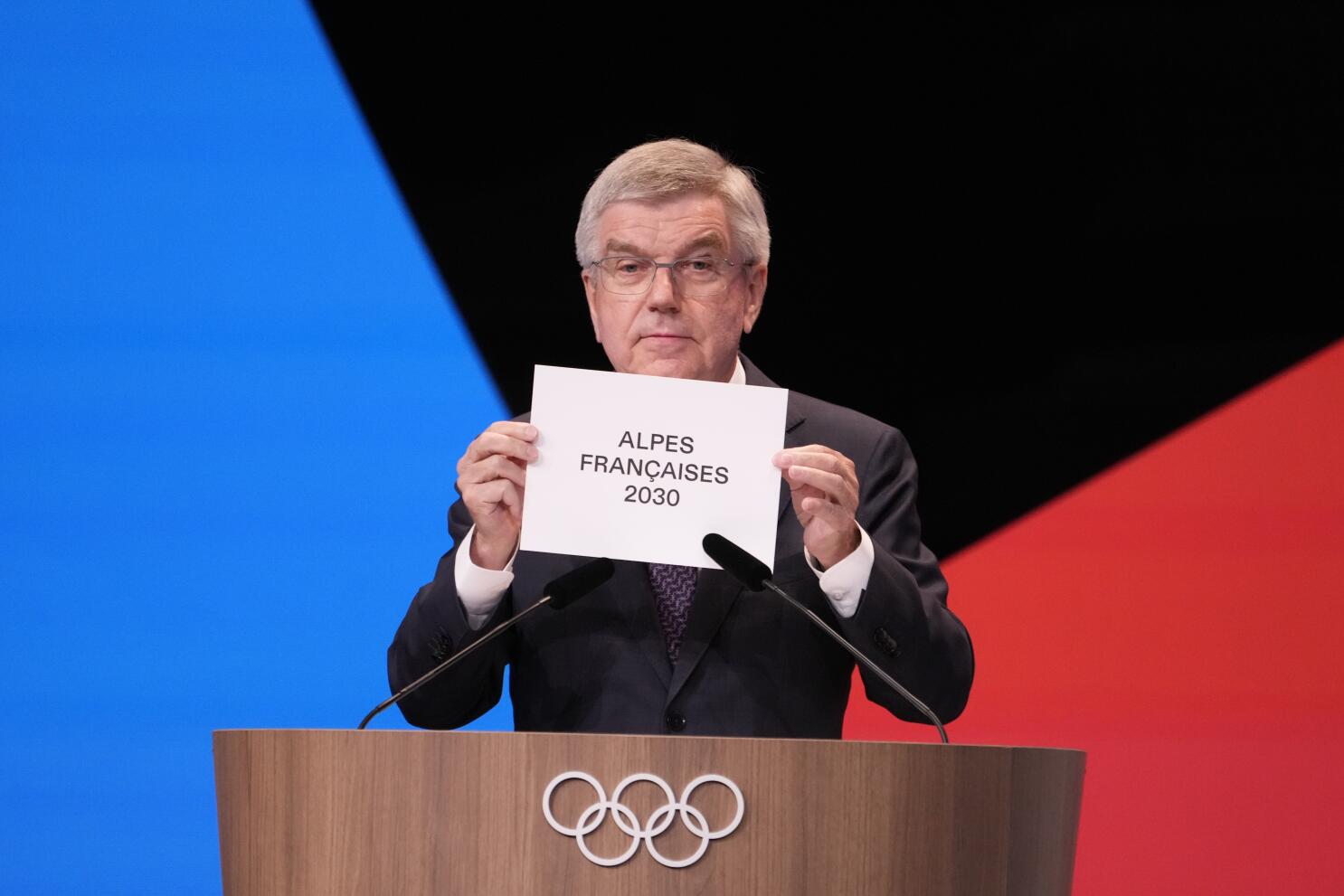
The handover of the Olympic flag to the French Alps marks the start of a new cycle. France has already announced that it will distribute competitions across multiple Alpine venues rather than concentrating them in one or two cities, a strategy aimed at reducing new infrastructure costs and making use of existing facilities. It will be interesting to see whether that distributed model works logistically or generates the operational chaos many analysts predict.
For now, Milano-Cortina 2026 enters the history books as organizationally successful games, dominated sportingly by Norway, and celebrated with the Italian visual excess that nobody expected any less of. The closing ceremony featured fireworks, live opera, and references to the Italian Renaissance that probably confused most international viewers but looked spectacular in television broadcasts. And at the end of the day, that is what matters: the images that remain, not the budgets spent to produce them.
Sources
The most important news while you enjoy a cup of coffee.
Join our community. Get our exclusive weekly analysis before anyone else.
Related News

Deportes
8 min read
Champions League: Real Madrid vs Bayern, Barça vs Atleti. The Final Starts in the Quarterfinals
Jaw-dropping thrashings, the Premier League knocked out almost entirely, and four matchups that look like they were pulled from a dream final. The round of 16 set the stage for April.

Deportes
6 min read
World Baseball Classic: Venezuela reaches its first final. USA plays its third straight
For the first time in 20 editions, Venezuela plays for the World Baseball Classic title. Across from them: the favorite at -275 on the money line and a 24-year-old starter his manager describes as 'built for this moment'.

DeportesCultura
5 min read
The Jumpman arrives at the Maracanã. Brazil will wear Jordan at the 2026 World Cup
For the first time in history, a national team will wear the Jumpman logo at a World Cup. Brazil today presented in São Paulo its second kit signed by Jordan Brand, available starting March 13.


