MoneyTechnology•3 min read
Netflix Wants to Buy Warner Bros. The DOJ and Paramount Have Other Plans

While Netflix was trying to close the biggest acquisition in its history, the U.S. Department of Justice launched an antitrust investigation into the company. And then Paramount stepped in with its own bid for Warner Bros.
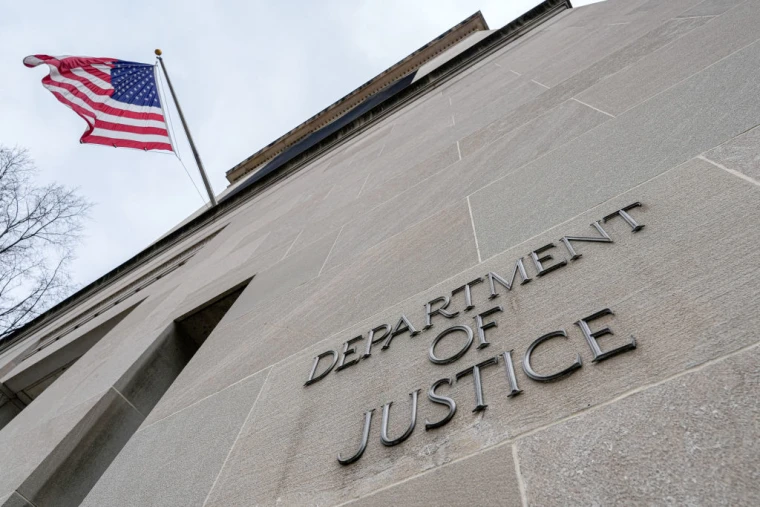
What happened. The DOJ initiated a formal inquiry into the leverage Netflix exerts over independent producers and filmmakers: the theory is that the platform uses its dominant position to impose asymmetric contractual terms. The investigation comes precisely as Warner Bros.' board is evaluating Netflix's acquisition offer. At the same time, Paramount Global submitted a competing proposal for Warner's assets. The board has formally maintained its recommendation to accept Netflix's original offer, but Paramount's entry has triggered an auction process that lawyers on both sides are now measuring to the millimeter.
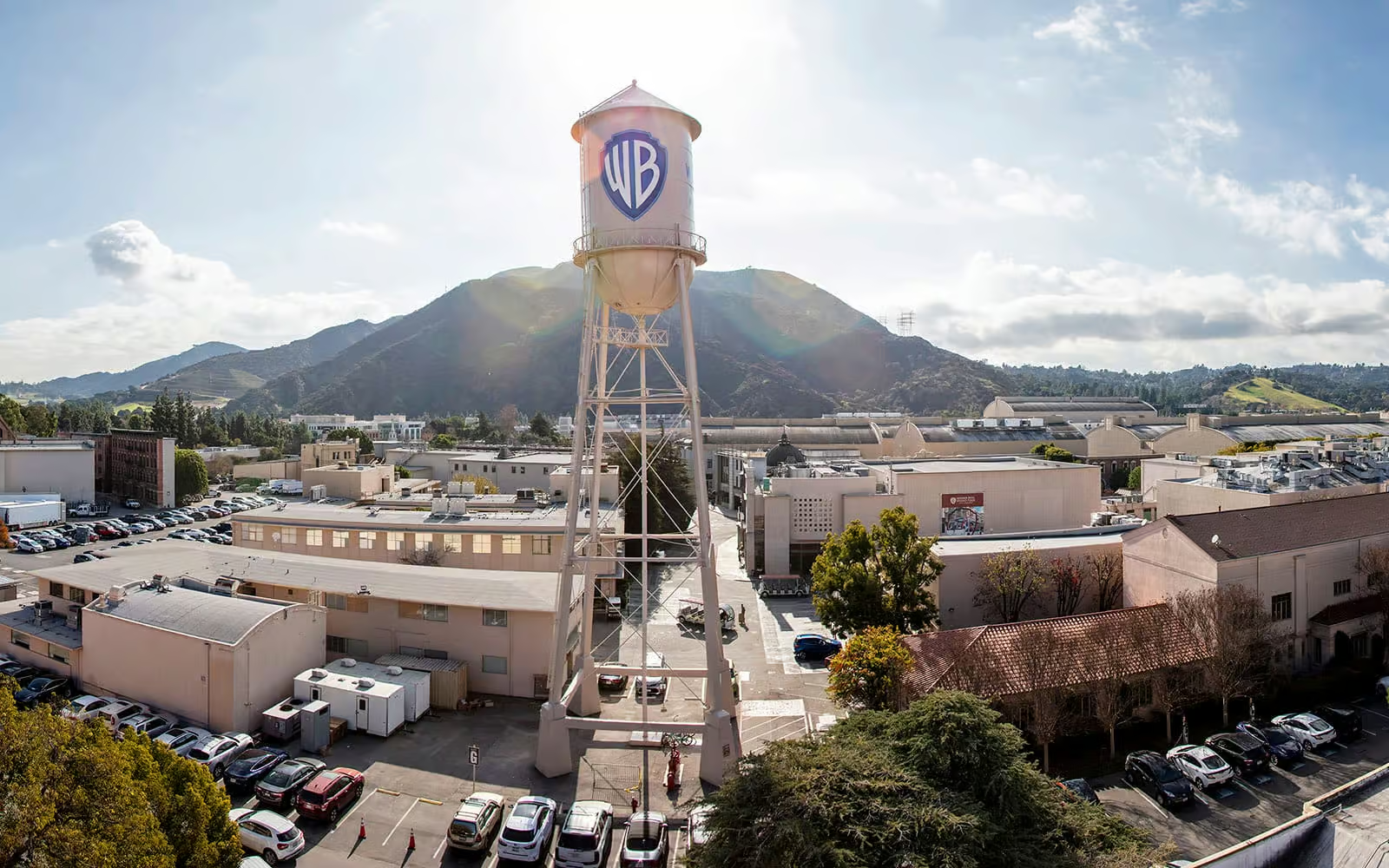
If Paramount's offer meets fiduciary standards to be considered superior, Netflix has a contractual right to counter. The clock is ticking. So is the money.
Why it matters. For Warner, this is unexpected oxygen in the form of competitive pressure: more bidders means a better selling price. For Netflix, it's the most uncomfortable scenario possible, defending a mega corporate deal while regulators ask whether it already has too much power. For Paramount, this is the last card of a studio that has spent years losing ground to streaming platforms that never inherited the debt of physical soundstages or 1990s union contracts.
What everyone is really after is the same thing: enough intellectual property catalog to stop depending on the next big hit. In streaming, stagnant subscriber growth is unforgivable.
Reading between the lines. There's something unintentionally comic about the DOJ investigating Netflix for accumulating too much power over creators at the exact moment Netflix is trying to accumulate more assets. It isn't a contradiction, it's the market running at its usual speed, where regulatory investigations move at the pace of a ministry and mergers are negotiated in real time. The real hypothesis behind this bidding war isn't love for Warner's cinematic legacy. It's the panic of becoming too small in a market where three or four cycle survivors will eventually absorb everything else.
Context. Entertainment consolidation has been accelerating for five years: Disney bought Fox, Amazon acquired MGM, and the HBO catalog Warner is now fighting over was for decades the strongest argument for quality television. What's new isn't that big studios are swallowing mid-sized ones. What's new is that the streaming platforms, born as disruptors, now operate with the same logic of scale and monopoly as the conglomerates they originally came to destroy.
Warner's board has to choose between the buyer who already has regulatory problems and the buyer who shows up with last-minute urgency. Either way, the result is the same: fewer studios, greater concentration, and the same users paying three separate subscriptions to watch the same catalog split between them.
Sources
The most important news while you enjoy a cup of coffee.
Join our community. Get our exclusive weekly analysis before anyone else.
Related News

GlobalDinero
6 min read
Europe said no. Trump said he didn't need them. NATO has spent 75 years waiting for someone to explain the difference.
France, Germany, Spain, Italy and the United Kingdom refused to send ships to the Strait of Hormuz. Trump said he never needed them. Nobody yet knows whether either side really believes it.

TecnologíaGlobal
5 min read
NASA confirms the date and menu for Artemis II
The Orion spacecraft has no refrigerator or resupply. That's why NASA designed 189 unique items, amaranth as protein, five types of hot sauce, and 43 cups of coffee for 10 days around the Moon.

TecnologíaDinero
5 min read
Meta lays off 16,000 people. Its stock rises 3%
Reuters confirmed plans to cut up to 20% of Meta's workforce. Wall Street celebrated the news with a 3% surge. In 2026, AI already justifies 55,775 layoffs in the tech sector.


