Seattle, February 19. World commerce has a new king. Amazon officially surpassed Walmart as the planet's highest-grossing company, confirming a transition decades in the making: the digital platform economy has definitively demolished the traditional physical retail model. The numbers are stark: Amazon reported more than $600 billion in total revenues for 2025, while Walmart reached approximately $650 billion in pure retail sales but fell behind when total market value and revenue diversification are considered.
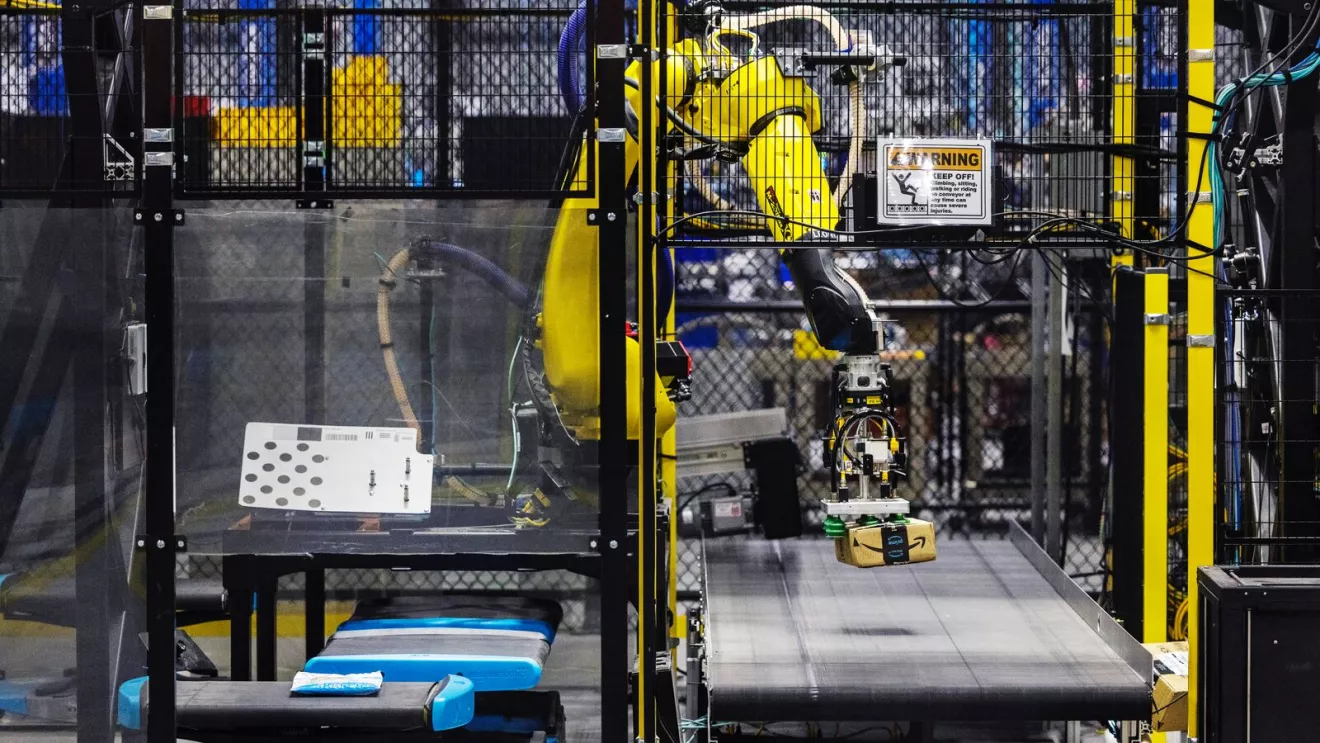
Amazon's $600B+ figure includes one component Walmart simply cannot replicate: Amazon Web Services (AWS), the cloud computing division that generated $128.725 billion in 2025, a 19.7% jump year over year. Without AWS, Amazon's revenues would have been approximately $588 billion, technically leaving it behind Walmart in pure retail. But that distinction is irrelevant. The corporate world doesn't distinguish between "pure retail" and "technology services" when determining global leadership. Amazon won because it understood before anyone else that the future wasn't about selling products, it was about controlling the infrastructure that makes selling anything possible.
AWS: The Secret Weapon Walmart Never Saw Coming
"AWS, Amazon Web Services"
Amazon Web Services is the perfect example of long-term strategic vision. When Amazon launched AWS in 2006, Wall Street laughed. An online bookstore building servers? The move seemed suicidal. Two decades later, AWS powers Netflix, Spotify, the CIA, NASA, and half the internet. It generates profit margins of 30%, compared to the 3-4% typical in retail. While Walmart was fighting price wars in supermarket aisles, Amazon was building the digital backbone of the 21st century.
Revenue growth also tells the story: Amazon grew 12% in 2025, while Walmart barely advanced 4.7%. The difference is philosophical. Walmart optimizes efficiency in what already exists. Amazon invents markets that didn't exist. When Walmart finally reacted and began investing in e-commerce and technology, Amazon already had a decade's operating advantage and billions of dollars in deployed infrastructure.
Market Cap: Amazon Doubles Walmart
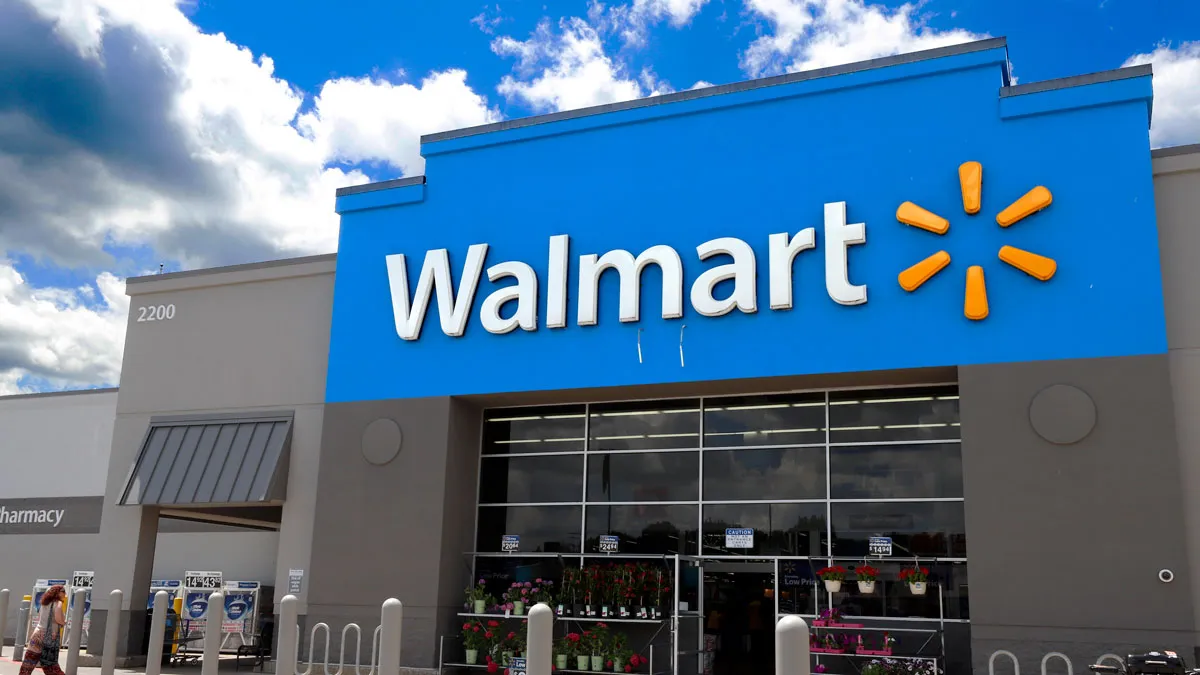
The market cap exposes the real gap. Amazon trades at approximately $2.0 trillion, double the trillion Walmart recently reached. Investors don't bet on what companies sell today, they bet on what they might dominate tomorrow. Amazon has fingers in e-commerce, video streaming (Prime Video), digital advertising, automated logistics, artificial intelligence, consumer devices (Alexa, Kindle, Ring), and cloud computing. Walmart has... stores. Many stores. 10,500 stores in 19 countries. But they're still just stores.
Jeff Bezos, Amazon's founder, has amassed a personal fortune of $219 billion, making him the richest man on the planet. The Walton heirs, who control Walmart through a family trust,collectively hold $145 billion. The $74 billion gap between Bezos and the Walton dynasty perfectly captures the power of the digital platform model versus traditional retail. A single tech visionary outstripped in wealth a family that built an empire over four generations.
Walmart's Response: Adapt or Die
John David Rainey, Walmart's CFO, issued an official statement acknowledging Amazon's milestone while defending his company's strategy. "We focus on transforming third-party technological innovations into superior physical shopping experiences," Rainey said. Translation: Walmart can't win the technology battle, so it will focus on what it does best, moving physical products efficiently,and let others develop the technology.
The strategy isn't absurd. Walmart is still a giant with a physical presence in communities where Amazon can't deliver packages in 24 hours. Its logistics distribution network is a masterpiece of industrial engineering. And in 2025, it finally hit the trillion-dollar market cap milestone, an important psychological threshold. But the momentum is with Amazon. AI integration into the supply chain, digital advertising expansion, and AWS's sustained growth guarantee the gap will keep widening.
Physical Retail Didn't Die, It Just Lost the Crown
Walmart isn't going away. Millions of Americans still prefer to touch products before buying, fill physical carts, and avoid the existential anxiety of waiting for packages. Physical stores have advantages e-commerce will never fully replicate: instant gratification, social experience, the ability to evaluate quality tangibly. But those advantages are no longer enough to dominate global commerce.
Amazon won because it built an ecosystem, not just a store. Prime membership turns customers into captive subscribers. AWS turns competing companies into infrastructure clients. Alexa turns homes into permanent points of sale. Kindle turns readers into perpetual digital consumers. Every Amazon product is a Trojan horse that deepens ecosystem dependency.
This February 19, 2026 marks an official inflection point. The company founded in a Seattle garage in 1994, which began selling books online when most Americans didn't even have email,has just dethroned the giant that seemed invincible. Walmart had a 50-year head start. Amazon caught it in 32. The lesson is clear: in the digital economy, the speed of innovation matters more than physical size. And Jeff Bezos was always better at betting on the future than Sam Walton was at defending the present.