Sports•3 min read
Cracked Medals in Milan-Cortina Spark Controversy

Cracked Medals in Milan-Cortina: Sporting Pride with a Defective Seal
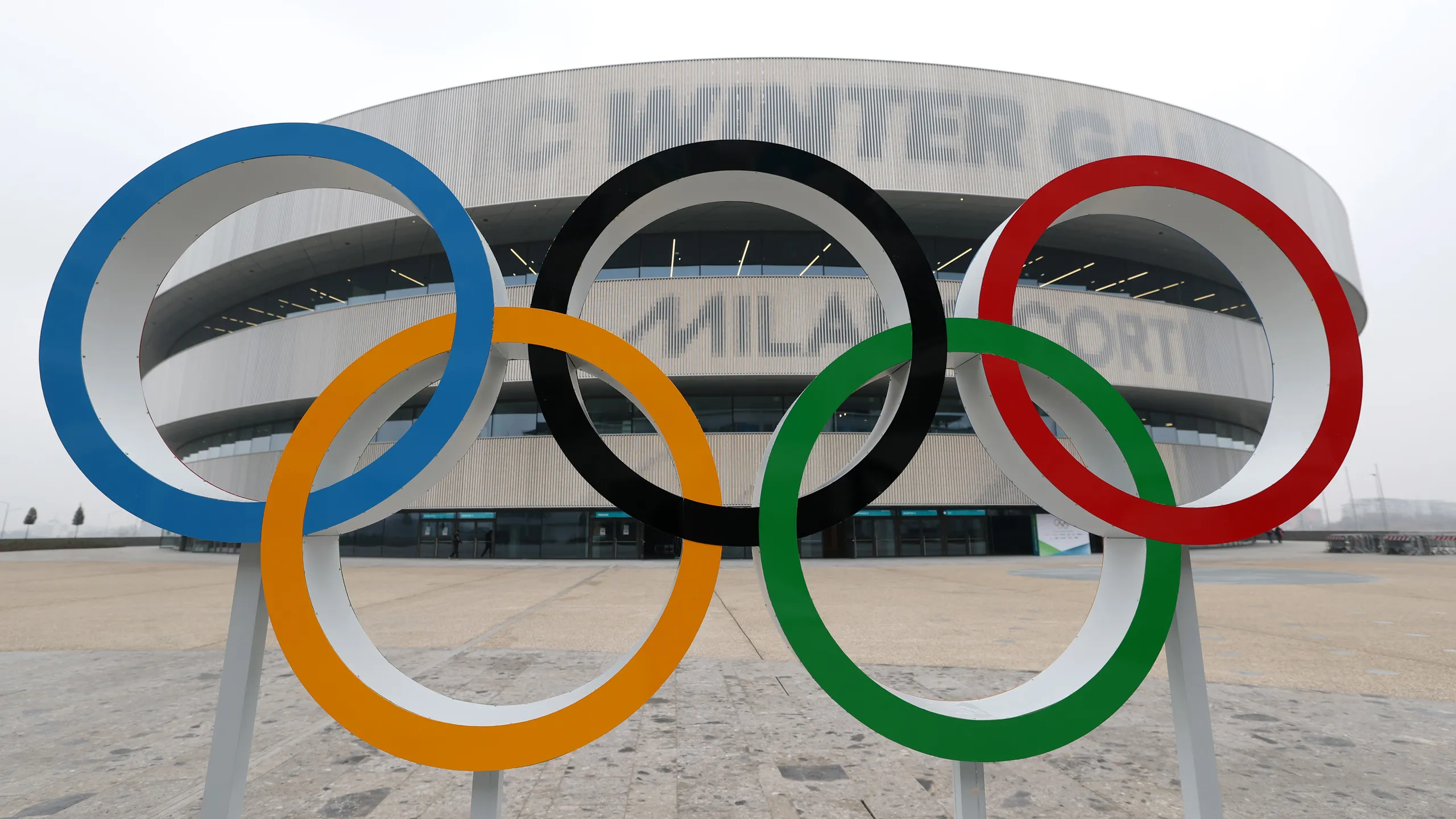
What should have been a moment of glory was tinged with disbelief and annoyance. During the award ceremonies at the Milan-Cortina 2026 Winter Olympics, dozens of athletes received cracked, chipped, or obviously flawed medals. The most visible case was that of skier Breezy Johnson, who recounted how her medal detached from its chain in the middle of the ceremony celebration, and she hasn't been the only one to suffer this, and even when expressing herself, she did so calmly, but a certain annoyance and disbelief was perceived, inviting other athletes not to celebrate using the medal to avoid ending up with the same fate.

The reaction was immediate: calls for review, replacement of damaged pieces, and an internal investigation announced by the Organizing Committee. It was reported that several delegations, including the American one, counted multiple similar incidents. The production and transport logistics are now at the center of the scandal: if the failure was in manufacturing, we're talking about a quality control problem; if it was in handling, the chain of custody of official objects is called into question.
Reaction from Athletes and Authorities
Some athletes, incredulous at the situation, didn't hide their annoyance on social media and public statements. For many, the medal is not just metal: it's the culmination of years of sacrifice. For it to arrive damaged on the winner's neck is, in practical terms, a lack of respect, and demonstrates the deterioration that has been emerging in recent years. The IOC and the Organizing Committee promised cooperation and "quick" replacements, while award workshops were subjected to a protocol review, confirmed by official statements.
Impact and Practical Consequences
Beyond the symbolic gesture, there are real consequences: formal claims, replacement logistics, and reputational cost for organizers and suppliers. It also raises contractual questions with the manufacturer: warranties, and possible reviews in future public tenders. Athletes who have already left the Olympic bubble will have to coordinate international shipments to receive the replacement piece, a detail that turns victory into a cumbersome process.
Although the anecdote of broken medals doesn't tarnish sporting performances, it does put on the table the need to professionalize even the last link in the Olympic spectacle. If the ceremony symbolizes excellence, the medal must be the tangible reflection of that promise; when it fails, disappointment is not measured in grams, but in broken trust.
Has Medal Quality Declined?
Currently there has been an exponential increase in the price of metals, which means that medals are worth approximately more than double what they were at the Paris Olympics. This being one of the main causes that current medals are of "lower quality" than their predecessors.
According to commodity market analysts and data from the Organizing Committee, the Milano-Cortina 2026 gold medal would have an approximate material value of $2,300. While a gold medal from the Paris 2024 Olympics was around $900. This gives us a perspective of how much the price of metals has risen in such a short time, these being historically the most expensive medals in the Olympic Games.
The most important news while you enjoy a cup of coffee.
Join our community. Get our exclusive weekly analysis before anyone else.
Related News

Deportes
8 min read
Champions League: Real Madrid vs Bayern, Barça vs Atleti. The Final Starts in the Quarterfinals
Jaw-dropping thrashings, the Premier League knocked out almost entirely, and four matchups that look like they were pulled from a dream final. The round of 16 set the stage for April.

Deportes
6 min read
World Baseball Classic: Venezuela reaches its first final. USA plays its third straight
For the first time in 20 editions, Venezuela plays for the World Baseball Classic title. Across from them: the favorite at -275 on the money line and a 24-year-old starter his manager describes as 'built for this moment'.

DeportesCultura
5 min read
The Jumpman arrives at the Maracanã. Brazil will wear Jordan at the 2026 World Cup
For the first time in history, a national team will wear the Jumpman logo at a World Cup. Brazil today presented in São Paulo its second kit signed by Jordan Brand, available starting March 13.


