Politics•3 min read
SAVE Act: House Debates Requiring Proof of Citizenship to Vote, Sparking Political Clash

Vote in Dispute: The SAVE Act Requiring Proof of Citizenship Polarizes Congress and the Country
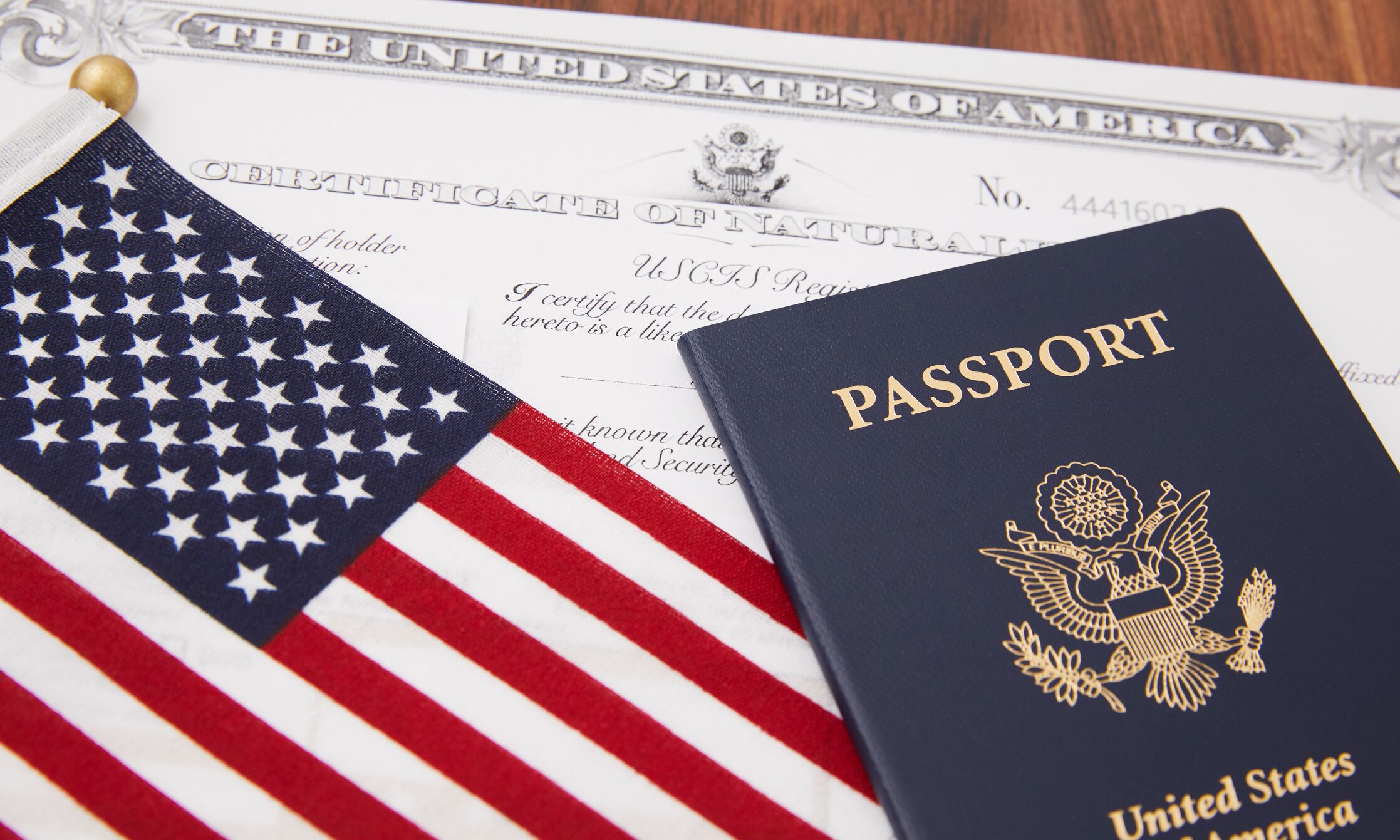
The House of Representatives announced the vote on the SAVE Act on February 11, 2026, a proposal that would require those registering to vote to present proof of citizenship, passport or birth certificate,and would toughen penalties against officials who accept registrations without those documents. Proponents present it as a response to doubts about election integrity; critics describe it as voter suppression that would disproportionately affect vulnerable communities and minorities.
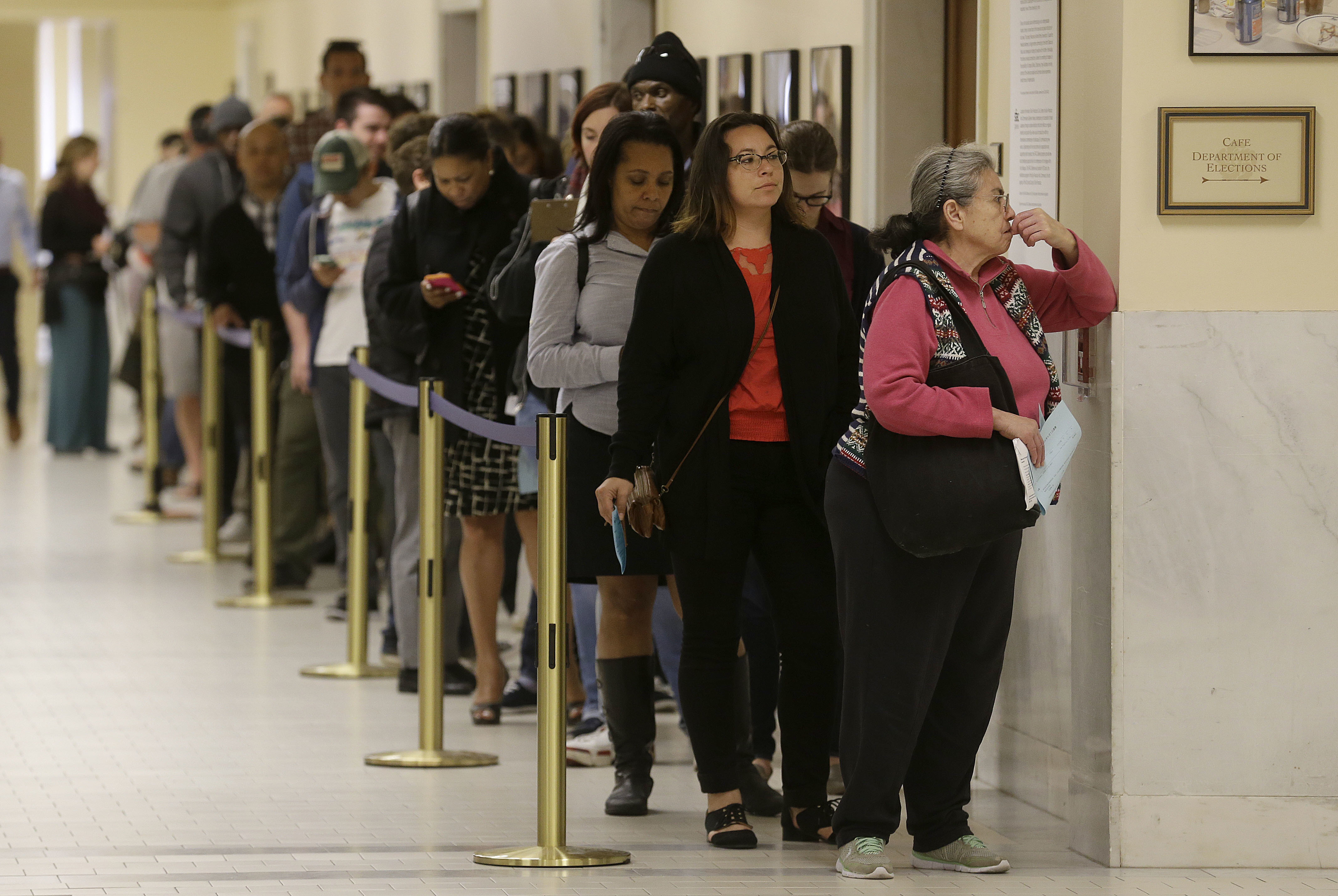
The law also proposes reinforcing photo ID at polls and stricter controls on mail-in voting. In practice, the forced implementation of documentary requirements could leave out hundreds of thousands of potential voters who, for administrative reasons, do not possess easily accessible passports or certificates. Civil groups and civil rights organizations have already expressed alarm: they categorize the initiative as a regression to practices that historically excluded entire segments of the electorate.
Opposing Arguments
Those who support the measure frame it in the restoration of public trust. They say that requiring basic documents is a logical step to guarantee that only citizens participate. Its detractors, without minimizing the importance of integrity, recall that widespread voter fraud is extraordinarily rare and that the burden of proof falls on the most fragile voters: the elderly, recently naturalized migrants, rural communities, and young people with administrative barriers.
Furthermore, introducing criminal penalties for officials adds a layer of risk that can generate paralysis in local offices and discourage proactive processing of registrations. Legal experts warn that the measure could face unconstitutionality lawsuits and require a complex administrative deployment.
Practical and Political Perspective
The project faces a major obstacle in the Senate, where it would need bipartisan support. Internationally, observers have compared the initiative to historical exclusion measures. In the domestic debate, Democrats see the initiative as an electoral strategy designed to reduce their base, while Republicans maintain that they act in response to the erosion of public trust.
What's Next?
If the House approves the text, a legal and political battle will begin that may reach the Supreme Court. Underlying is the central question: how to balance reasonable verification measures with the right to universal and accessible voting? The answer will define not only the next electoral contest, but public perception of the legitimacy of the democratic system.
The most important news while you enjoy a cup of coffee.
Join our community. Get our exclusive weekly analysis before anyone else.
Related News

Política
2 min read
U.S.: Shock Over the 'Epstein Files'
Heated hearing over the Epstein Files and the unexpected refusal of the FDA to review Moderna's vaccine mark a day of institutional fracture.

Política
3 min read
The Bear Hug: Petro and Trump, From Confrontation to Dialogue
Gustavo Petro meets with Donald Trump in Washington; the meeting seeks to solidify anti-mafia cooperation and open pathways for regional energy recovery.

PolíticaDeportes
4 min read
Controversy in Milan-Cortina: ICE, Diplomacy and Protests During Olympic Days
The presence of agents linked to ICE in Milan-Cortina ignited protests and political tensions; Rome and city hall nuanced the role while the city experienced mobilizations.


