Culture•3 min read
Bad Bunny Makes History: First Spanish-Language Album to Win Album of the Year Grammy

Bad Bunny Makes History: ‘Debí Tirar Más Fotos’ Wins Album of the Year Grammy
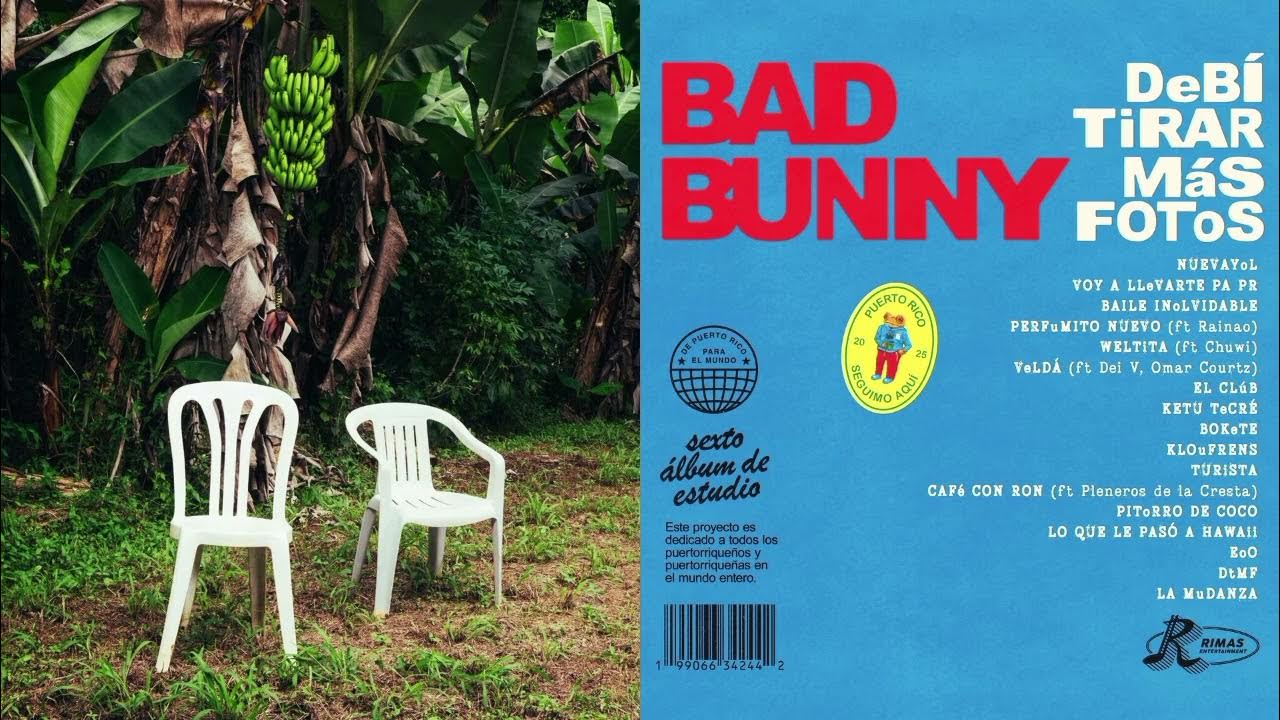
Few surprises, but enormous symbols. Puerto Rican artist Bad Bunny achieved what many had been anticipating but few expected in practice: the Grammy for Album of the Year for Debí Tirar Más Fotos, becoming the first Latin artist and the first with an album entirely in Spanish to win the top award from the US Recording Academy. The news is not just another trophy; it is a rupture in the cultural grammar of the global music industry.
The album, which explores Puerto Rican roots, urban rhythms, and arrangements ranging from bolero to rap, was awarded for its narrative coherence and its ability to sound massive without losing identity. In the room, the reaction was a mix of celebration and a strange historical sensation: what was once niche is now at the main table. Bad Bunny, in statements collected by media, described the recognition as “an honor” and interpreted it as a defense of Hispanic culture in pop music. It was not a casual toast: behind it is a chain of industrial decisions, plural audiences, and a global market that has stopped seeing language as an absolute barrier.
"I made this album for my people, for those who feel alone and for those who had to leave their land. This award is not just mine, it is for every Latino who doesn't give up. And to those who use fear to divide us: ICE out. We are not a threat, we are the force that moves this country. Puerto Rico, this is for you!"
The triumph has several readings. First, it confirms the consolidation of the Latin space in the Anglo sphere: it is no longer just about isolated hits or strategic collabs, but complete works that compete on equal footing. Second, it is a signal for labels, radios, and platforms: investing in Spanish-language projects can stop being a risk to become a scale strategy. And third, it sends a cultural message: the centrality of English in major awards is diluted when the product articulates voice, risk, and reach.
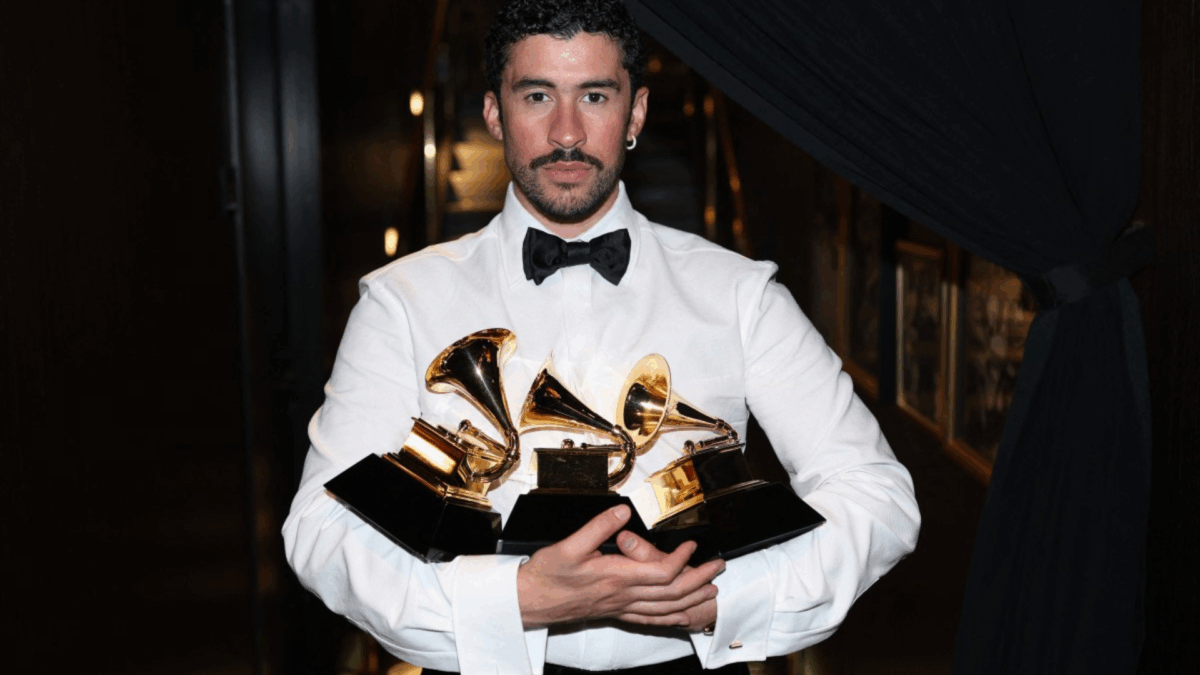
Bad Bunny also took home the awards for Best Urban Music Album and Best Global Music Performance. In these categories, he competed against artists like Feid, J Balvin, and Young Miko for Best Urban Music Album, and against artists like Asake & Olamide, Black Coffee & Delilah Montagu, Tyla, Rokia Traoré, and C'est Merveilleux for Best Global Music Performance.
Not everything is euphoria. There are legitimate debates about representation: do the awards reflect a transformation of tastes or a readaptation of rules by the industry to add markets? There is also resistance from sectors that still see English as the “necessary” language to reach the peak. The Bad Bunny case complicates that reading: it demonstrates that authenticity can function commercially without fully yielding.
Beyond industrial analysis, the moment has social impact. For millions of Spanish-speaking listeners, it implies symbolic validation; for emerging artists, a window. And for Bad Bunny's own career, preparing for his Super Bowl performance,the statuette reinforces his status as a global phenomenon with the power to set the agenda.
The most important news while you enjoy a cup of coffee.
Join our community. Get our exclusive weekly analysis before anyone else.
Related News

Cultura
7 min read
86 years old, it was the 'final level' of Chuck Norris: Farewell to the action cinema legend
The actor, world karate champion and internet phenomenon passed away on March 19 after a medical emergency in Kauai. His last post was a video training on his birthday.

GlobalCultura
6 min read
World Water Day 2026: women and 200 million hours of water inequality
Every day, women and girls worldwide spend the equivalent of 23,000 human years carrying water. World Water Day 2026 repeats it. The question is how many more times it needs to be said.

Cultura
6 min read
Sinners arrived with 16 nominations. Paul Thomas Anderson left with the statuette.
Anderson won with only his second Best Picture to history. Jordan took Best Actor. Buckley shocked with Hamnet. And Frankenstein quietly dominated the technical awards. The 98th edition didn't leave a single comfortable winner.


