Culture•6 min read
Sinners arrived with 16 nominations. Paul Thomas Anderson left with the statuette.

The 98th edition of the Academy Awards crowned One Battle After Another with six Oscars, including Best Picture, Best Director, Best Supporting Actor, and the inaugural Best Casting award. Paul Thomas Anderson, who had accumulated 14 nominations over three decades without a win, ended the night with cinema's most important statuette. Nobody at the Dolby Theatre seemed surprised. Everyone seemed relieved.
Sinners arrived first and left better off than the numbers say
Sinners entered the ceremony with 16 nominations, the highest tally in Oscar history. It left with four. For any other movie, that would be a defeat. For Sinners, it was the most brutal way to lose without it feeling like a defeat.
Ryan Coogler's film took home Best Actor, Best Original Screenplay, Best Cinematography, and Best Original Score. Michael B. Jordan won the Oscar for Best Actor, acknowledging Coogler in his acceptance speech with direct words: "You gave me the chance and the space to be seen." He wasn't the most anticipated candidate in the category. He had been since his name began to be circulated.
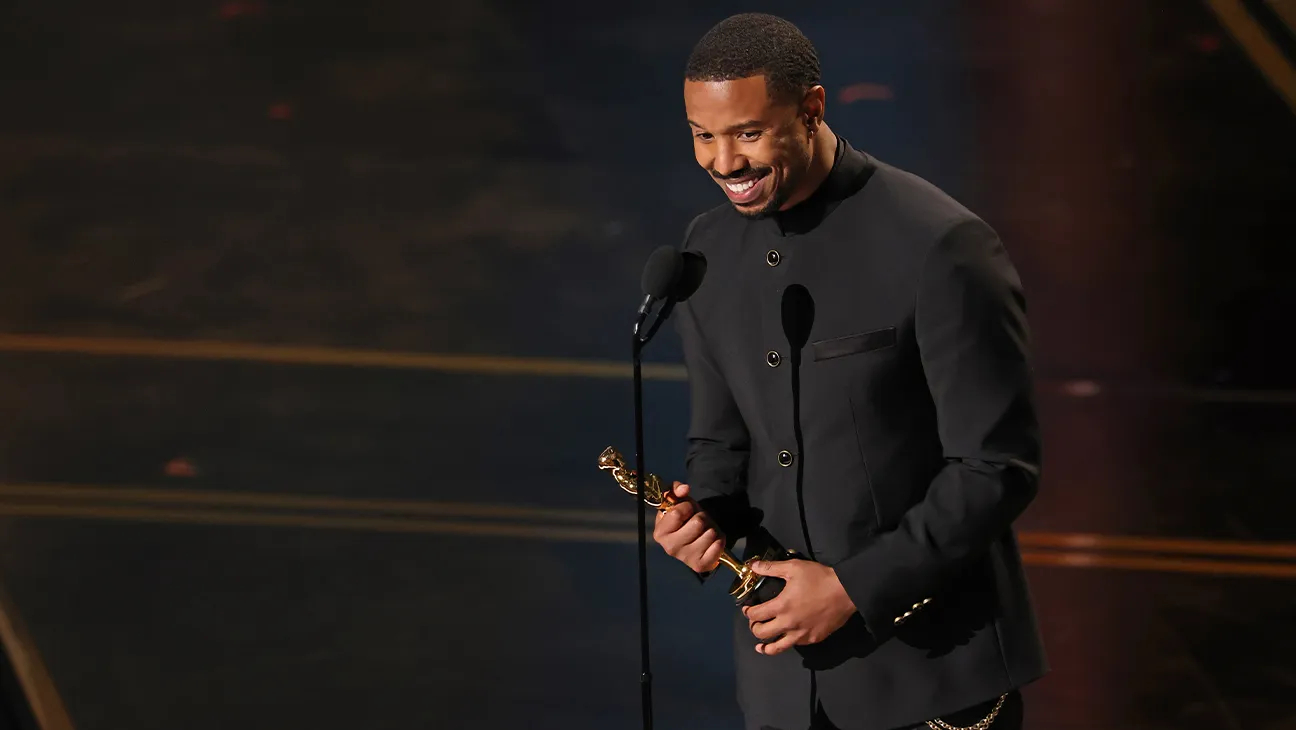
Director of photography Autumn Durald Arkapaw became the first woman to win the Oscar for Best Cinematography for her work on Sinners. It took the Academy 97 editions to recognize the obvious. Ludwig Göransson added Best Original Score to his already enviable track record with Coogler.
Anderson: the curse that lasted thirty years
One Battle After Another is a portrait of old-guard leftist revolutionaries fleeing a relentless military officer, adapted by Anderson from Thomas Pynchon's novel Vineland. It's not exactly the kind of material with which Hollywood typically celebrates itself in the spring.
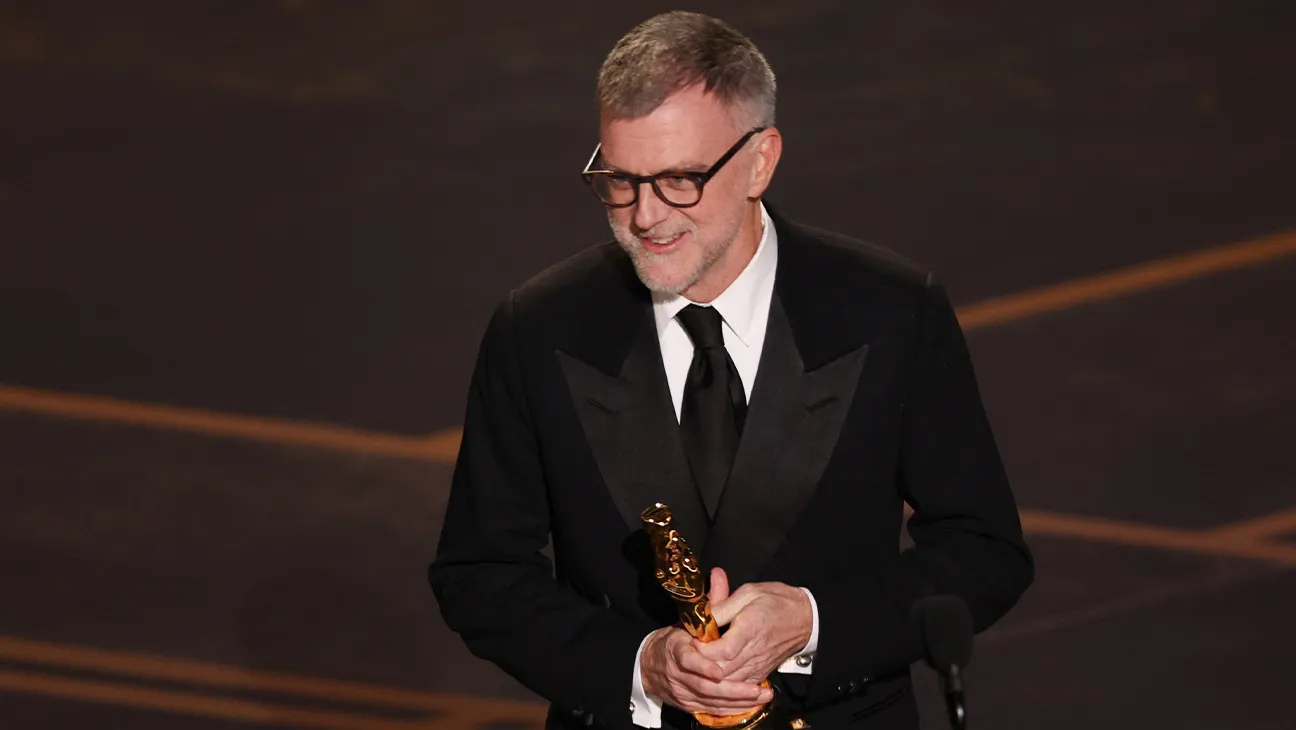
Anderson walked away with six statuettes. Best Picture, Best Director, Best Adapted Screenplay, Best Supporting Actor for Sean Penn, the new Best Casting award, and Best Film Editing. Penn, who plays a brutal military officer, entered the club of actors with three acting Oscars, a category he only shares with Daniel Day-Lewis, Jack Nicholson, and Walter Brennan. He did not attend to accept it. Kieran Culkin, who presented the category, made sure to underline the absence with the precision of someone who knows the joke writes itself.
Producer Sara Murphy, accepting Best Picture alongside Anderson, was categorical: "Receiving this award is beyond anything I can imagine." Anderson closed the night in a manner consistent with his entire filmography: without bombast, with a single sentence.
Buckley, Madigan, and the cast of surprises
Jessie Buckley won the Oscar for Best Actress for Hamnet, the adaptation of Maggie O'Farrell's novel about Shakespeare's family. She was one of the darlings of European critics and ended up being the Academy's as well.
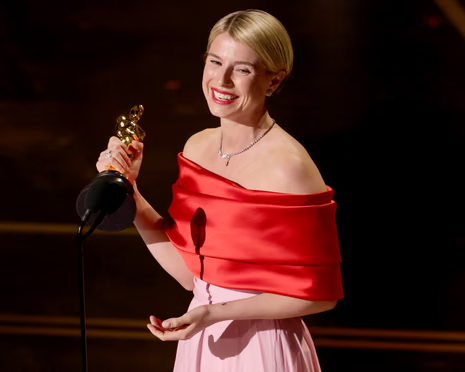
Amy Madigan triumphed as Best Supporting Actress for Weapons, beating out Elle Fanning and singer Teyana Taylor, who arrived at the ceremony nominated for One Battle After Another. The night distributed its recognitions with a certain redistributive logic: if the big winner hoarded six statuettes, the industry made sure to sprinkle the rest.
Frankenstein and the argument in favor of the analog

Guillermo del Toro's Frankenstein was one of the big winners of the first half of the ceremony, conquering Production Design, Makeup and Hairstyling, and Best Costume Design. Three awards that celebrate the use of sculptural prosthetics and practical effects in an industry that has been debating for years how far CGI should go. Del Toro does not participate in that debate. He simply keeps doing what he does and collecting statuettes.
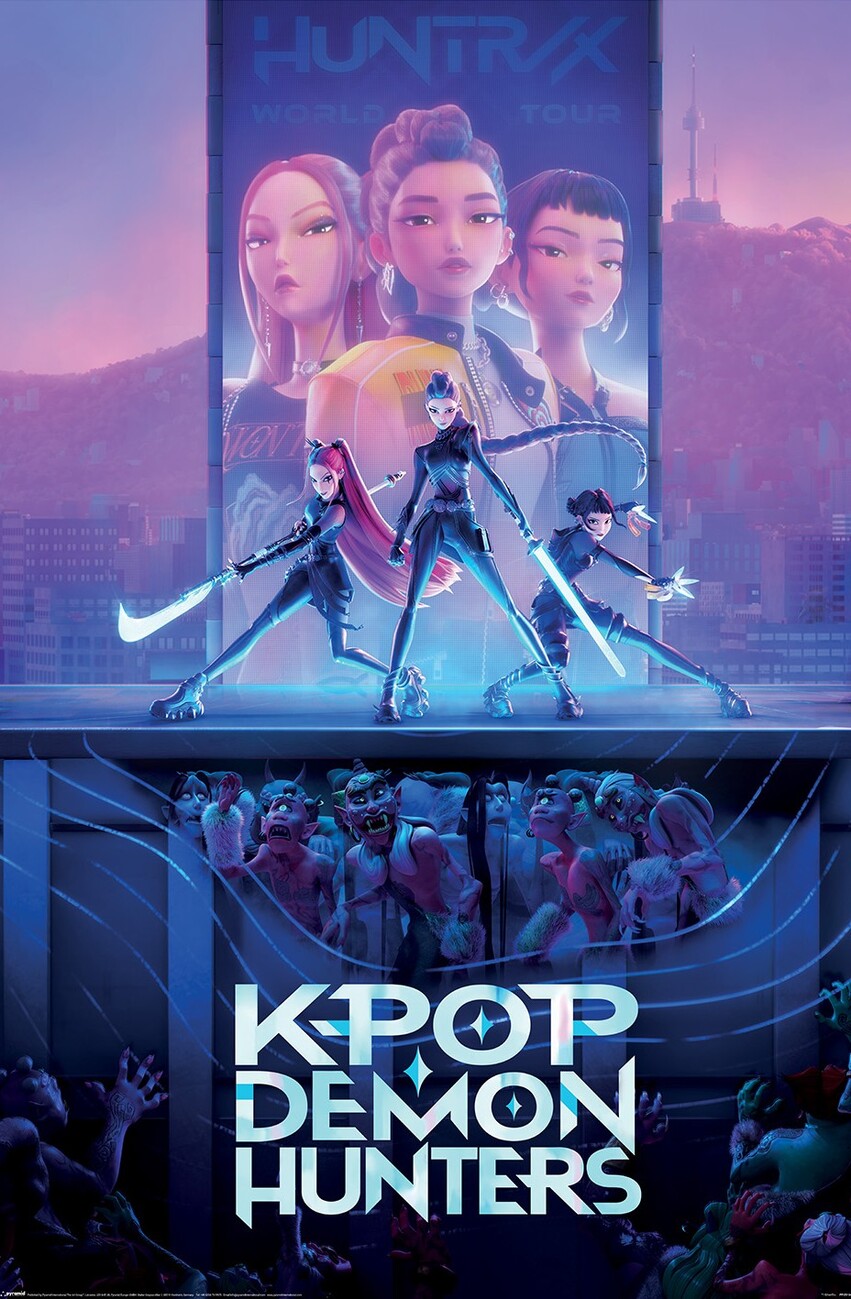
KPop Demon Hunters won Best Animated Feature, confirming a trend that no longer surprises: the boundaries between Eastern and Western animation are increasingly an academic formality rather than a production reality.
The new category that nobody argued about
Best Casting premiered tonight as the first new Oscar category in 25 years. It went to One Battle After Another, which, in hindsight, seems almost perfect: the movie that swept the board included among its trophies the first of a new era.
Conan O'Brien hosted for the second consecutive year with his characteristic mix of self-awareness and reluctance toward the pomp. He joked about streaming platforms, dedicated a segment to viral internet references, and openly acknowledged that the traditional television audience is not the one tuning into these ceremonies the most. All of that is now part of the ritual.
The list of winners of the 98th edition:
| Category | Film | Winner(s) |
|---|---|---|
| Best Picture | One Battle After Another | Paul Thomas Anderson / Sara Murphy |
| Best Director | One Battle After Another | Paul Thomas Anderson |
| Best Actor | Sinners | Michael B. Jordan |
| Best Actress | Hamnet | Jessie Buckley |
| Best Supporting Actor | One Battle After Another | Sean Penn (third acting Oscar; absent) |
| Best Supporting Actress | Weapons | Amy Madigan |
| Best Adapted Screenplay | One Battle After Another | Paul Thomas Anderson |
| Best Original Screenplay | Sinners | Ryan Coogler |
| Best Cinematography | Sinners | Autumn Durald Arkapaw (first woman to win) |
| Best Original Score | Sinners | Ludwig Göransson |
| Best Animated Feature | KPop Demon Hunters | — |
| Best Makeup and Hairstyling | Frankenstein | Mike Hill, Jordan Samuel, and Cliona Furey |
| Best Costume Design | Frankenstein | — |
| Best Casting (new category) | One Battle After Another | Cassandra Kulukundis |
| Best International Feature Film | Sentimental Value | Norway |
The night ended with Anderson and his mental martini. Sinners left with four awards out of a possible sixteen and the feeling that the Academy loved it without daring to crown it. Frankenstein proved that technical awards also tell a story.
What no statistic captures is this: for the first time in decades, the most nominated film in history did not win Best Picture. The record is of little use when someone has been waiting their turn for thirty years.
Sources
The most important news while you enjoy a cup of coffee.
Join our community. Get our exclusive weekly analysis before anyone else.
Related News

Cultura
7 min read
86 years old, it was the 'final level' of Chuck Norris: Farewell to the action cinema legend
The actor, world karate champion and internet phenomenon passed away on March 19 after a medical emergency in Kauai. His last post was a video training on his birthday.

GlobalCultura
6 min read
World Water Day 2026: women and 200 million hours of water inequality
Every day, women and girls worldwide spend the equivalent of 23,000 human years carrying water. World Water Day 2026 repeats it. The question is how many more times it needs to be said.

DeportesCultura
5 min read
The Jumpman arrives at the Maracanã. Brazil will wear Jordan at the 2026 World Cup
For the first time in history, a national team will wear the Jumpman logo at a World Cup. Brazil today presented in São Paulo its second kit signed by Jordan Brand, available starting March 13.


