Technology•4 min read
Phil Spencer leaves Xbox: Sarah Bond takes over as Microsoft Gaming CEO

Phil Spencer is leaving. The man who spent the last decade rescuing Xbox from the Xbox One disaster and transforming it into a global services ecosystem announced his retirement effective February 23, 2026. Sarah Bond, current president of Xbox, will take over as CEO of Microsoft Gaming in what promises to be one of the industry's most complicated executive transitions. Spencer leaves a transformational legacy: he killed the traditional console war, consolidated Game Pass as the Netflix of video games, and executed the largest acquisition in interactive entertainment history by swallowing Activision Blizzard for $68.7 billion. Bond inherits an empire that no longer knows whether it is a platform, a service, or a multi-format publisher.
Spencer's retirement marks the end of an era that redefined what "Xbox" means. When he took over the division's leadership in 2014, the Xbox One was being massacred in sales by the PlayStation 4. Microsoft had bet on television and Kinect when gamers wanted games. Spencer reversed the strategy: he abandoned the fetishism for hardware sales numbers and pivoted toward software as a service. The result was Game Pass, a subscription model that gives access to hundreds of games for $9.99-$16.99 a month. The bet was radical: sacrifice individual game sales margins at $70 to build a recurring and predictable subscriber base.
The Spencer legacy: massive acquisitions and a confusing strategy
Spencer's tenure will be remembered for his unprecedented acquisition aggressiveness. Bethesda for $7.5 billion in 2021. Activision Blizzard for $68.7 billion in 2023. The vision was clear: you need massive exclusive content for Game Pass to make sense. If users pay a monthly subscription, they need reasons to stay. Franchises like Call of Duty, World of Warcraft, Diablo, Fallout, Starfield, and The Elder Scrolls under one roof guaranteed perceived value.
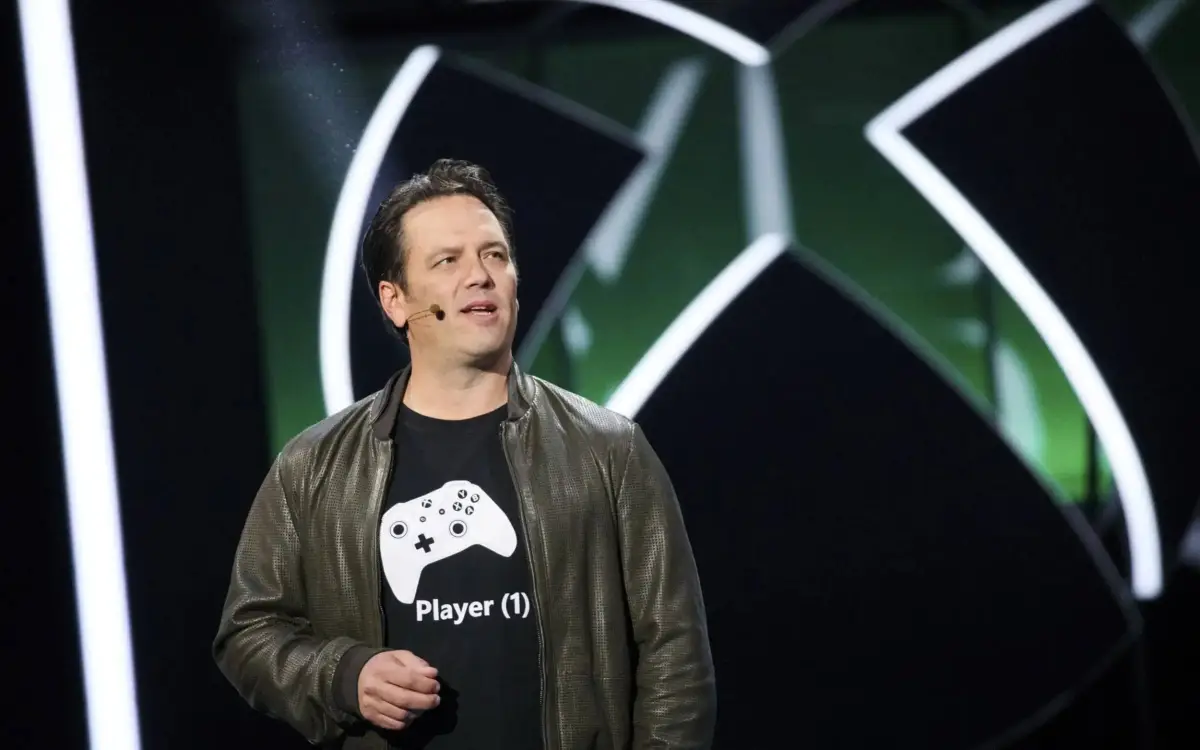
But the execution generated brutal contradictions. Xbox preached exclusivity while publishing games on PlayStation and Nintendo. Spencer argued that "bringing games to more players" maximized the return on development investment. The Xbox community interpreted it as betrayal: why buy an Xbox console if the games eventually arrive on competing platforms? The brand identity collapsed. Xbox stopped being hardware to become... what exactly? A service? A publisher? An app that lives on all platforms?
Sarah Bond: fiscal consolidation and forced monetization
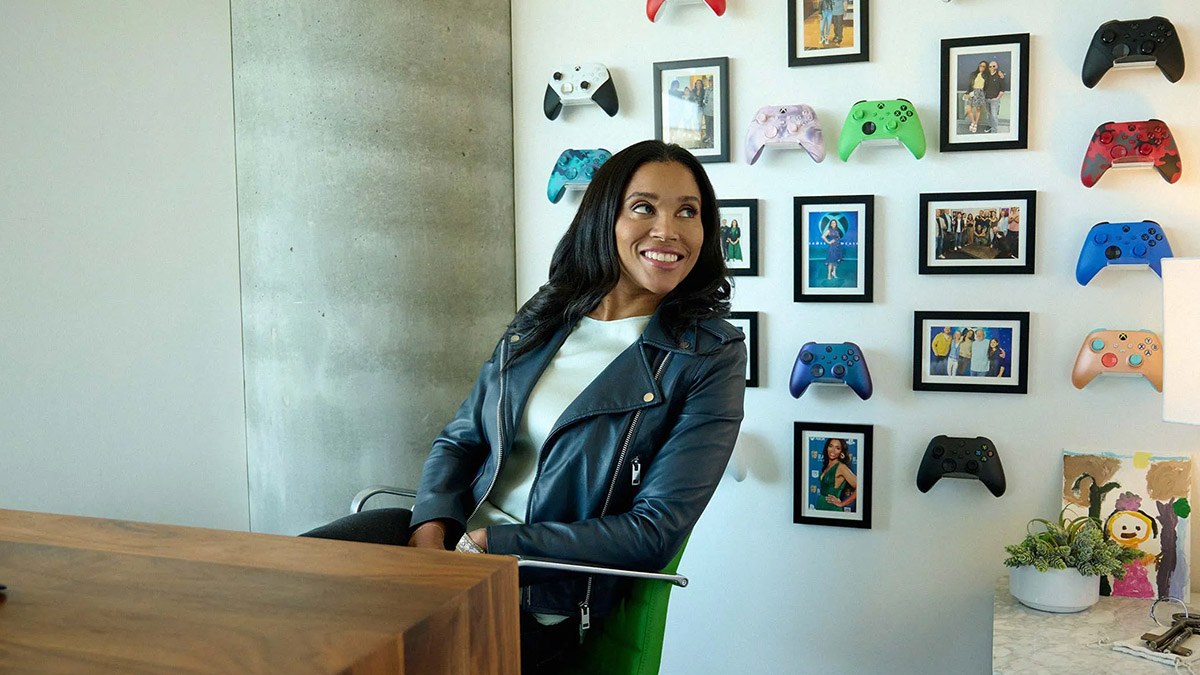
Sarah Bond takes office at a critical moment. After a decade of massive spending on acquisitions, Microsoft demands profitability. The $68.7 billion invested in Activision Blizzard must be justified with sustained revenues and Game Pass subscriber growth. Bond faces an impossible challenge: integrate dozens of acquired studios during Spencer's expansion period, stabilize Xbox's schizophrenic identity, and prove that the subscription model works without destroying traditional hardware sales. Bond has solid operational experience. She led the Xbox creator and ecosystem division, managed external developer relations, and oversaw hardware launches like the Xbox Series X|S. But going from vice president to CEO amid a brand identity crisis is a poisoned promotion. The industry speculates that Microsoft could entirely abandon console hardware in the next generation, turning Xbox into a pure service accessible from smart TVs, PCs, mobiles, and rival consoles. If that happens under Bond's mandate, she will be remembered as the CEO who killed Xbox consoles or as the visionary who completed the transformation initiated by Spencer. There is no middle ground.
The end of an era and the beginning of a more brutal one
Spencer's retirement closes a romantic chapter for Xbox where long-term vision and risky bets were celebrated. Bond inherits a less glamorous stage: fiscal consolidation, layoffs if necessary, studio closures if unprofitable, and brutal prioritization of projects with higher commercial returns. The era of infinite spending is over. Now it's time to prove it was worth it. The industry watches with cynicism. Spencer had the luxury of spending without immediate consequences because Microsoft had infinite capital and corporate patience. Bond won't have that privilege. Satya Nadella, Microsoft's CEO, expects quantifiable results: subscriber growth, user retention, increased revenue per user. If Game Pass does not reach 100 million subscribers in the next two years, the Spencer-Bond experiment will be considered an incredibly expensive failure. And Bond will carry the responsibility even though she inherited a strategy designed by her predecessor.
Phil Spencer retires as the legend who saved Xbox. Sarah Bond takes over as the executive who must prove that this salvation wasn't an illusion financed with corporate debt. The difference between the two narratives will be measured in dollars, not in visions.
Sources
The most important news while you enjoy a cup of coffee.
Join our community. Get our exclusive weekly analysis before anyone else.
Related News

TecnologíaGlobal
5 min read
NASA confirms the date and menu for Artemis II
The Orion spacecraft has no refrigerator or resupply. That's why NASA designed 189 unique items, amaranth as protein, five types of hot sauce, and 43 cups of coffee for 10 days around the Moon.

TecnologíaDinero
5 min read
Meta lays off 16,000 people. Its stock rises 3%
Reuters confirmed plans to cut up to 20% of Meta's workforce. Wall Street celebrated the news with a 3% surge. In 2026, AI already justifies 55,775 layoffs in the tech sector.

Tecnología
6 min read
AI already solves centuries-old math. What your bank encrypts is being rebuilt from scratch.
AlphaEvolve surpassed any known human solution in 20% of 67 open mathematical problems. At the same time, the RSA encryption that protects banks and government networks has been in the process of replacement for months. Two converging transformations.


