SportsMoney•7 min read
Premier League to ban sponsorships from unlicensed betting companies: Stake.com and Everton in the eye of the storm

The British government has just put an end to one of the most lucrative and shady businesses in European football: Premier League club sponsorships by betting operators that operate in grey markets without local licenses. The Department for Culture launched consultation phases to implement a total legislative ban that will prevent betting corporations not licensed in the UK from acting as visible sponsors for English mega-clubs. The measure aims directly at the heart of an opaque financial ecosystem that for years has used football shirts as billboards to dodge regulations, launder reputations and, according to government investigations, launder capital linked to transnational organized crime.
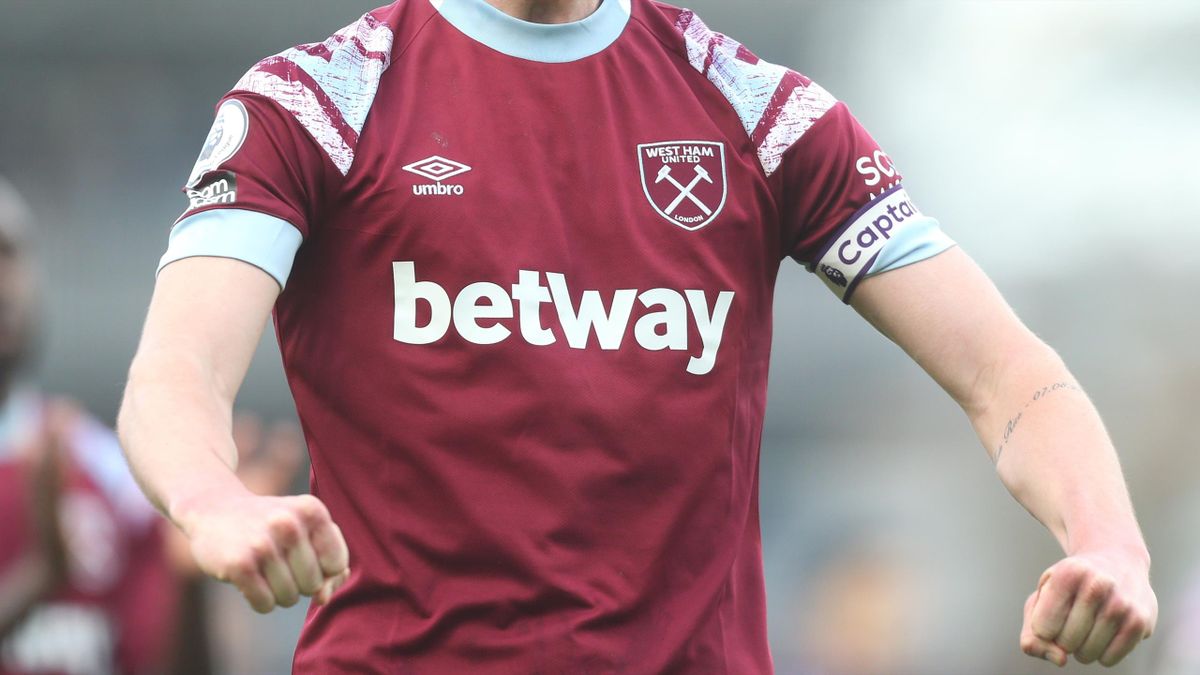
The flagship case that triggered this regulatory intervention is the £10 million annual contract between Everton FC and the crypto betting platform Stake.com. The paradox is brutal and highlights the legal absurdity that the British government seeks to close: Stake.com voluntarily surrendered its operating license to the UK Gambling Commission last year, implicitly acknowledging that it did not meet British regulatory standards. However, the platform continues to operate globally from offshore jurisdictions and, most importantly, remains Everton FC's main sponsor, with its logo shining on the team's shirts every weekend before millions of viewers.
The business model: evading regulation using club logos
The strategy is transparently cynical. Betting operators like Stake.com cannot legally offer their services to British residents because they lack a local license. But they can pay millions of pounds to Premier League clubs to have their brands appear on shirts, billboards, and digital content that inevitably reaches massive British audiences. It is perfectly orchestrated indirect advertising: the operator gains brand exposure without submitting to British regulations on betting advertising, consumer protection, anti-money laundering, or local taxes.
The Department for Culture's analysis, leaked to British media this week, identifies flagrant risks associated with these sponsorships. First, the risk of money laundering: unlicensed operators frequently operate from tax havens with lax financial supervision, facilitating the laundering of criminal-origin capital. Second, the tangential links to transnational organized crime syndicates that control illegal betting networks in Asia and Eastern Europe. Third, the proven connection between these operators and the exponential growth of sports piracy: illegal streaming platforms broadcasting Premier League matches are frequently integrated with unlicensed betting sites, creating a criminal symbiosis between broadcasting rights violations and illegal betting.
Stake.com: the crypto giant playing in the shadows
Stake.com is not a marginal operator. It is one of the largest crypto betting platforms globally, with estimated annual revenues in the billions of dollars. Its business model is based on accepting cryptocurrencies like Bitcoin and Ethereum for sports betting, casino, and games, operating from Curacao, a Caribbean jurisdiction known for lax regulation in online gambling. The platform has spent aggressively on high-profile sports sponsorships: besides Everton, it sponsors the UFC, Canadian rapper Drake, and multiple Twitch streamers who promote the site to young audiences.

Stake.com's decision to surrender its British license in 2025 came after the UK Gambling Commission intensified scrutiny on crypto betting operators. The platform faced investigations over inadequate age verification, lack of anti-money laundering controls, and promotion of compulsive gambling. Rather than subject itself to rigorous audits and potential massive fines, Stake.com chose to formally withdraw from the British market. But keeping the Everton sponsorship allowed it to continue capturing the attention of British consumers without the hassle of complying with British regulations.
Everton: the club desperately needing dirty money
For Everton FC, the Stake.com sponsorship is not a luxury but a financial lifeline. The club has been submerged in an economic crisis for years: threatening relegation, massive debts, a new stadium project devouring capital, and Premier League sanctions for violating spending rules. The £10 million annually from Stake.com represents critical cash flow that the club can hardly replace with legitimate sponsors willing to pay similar figures.
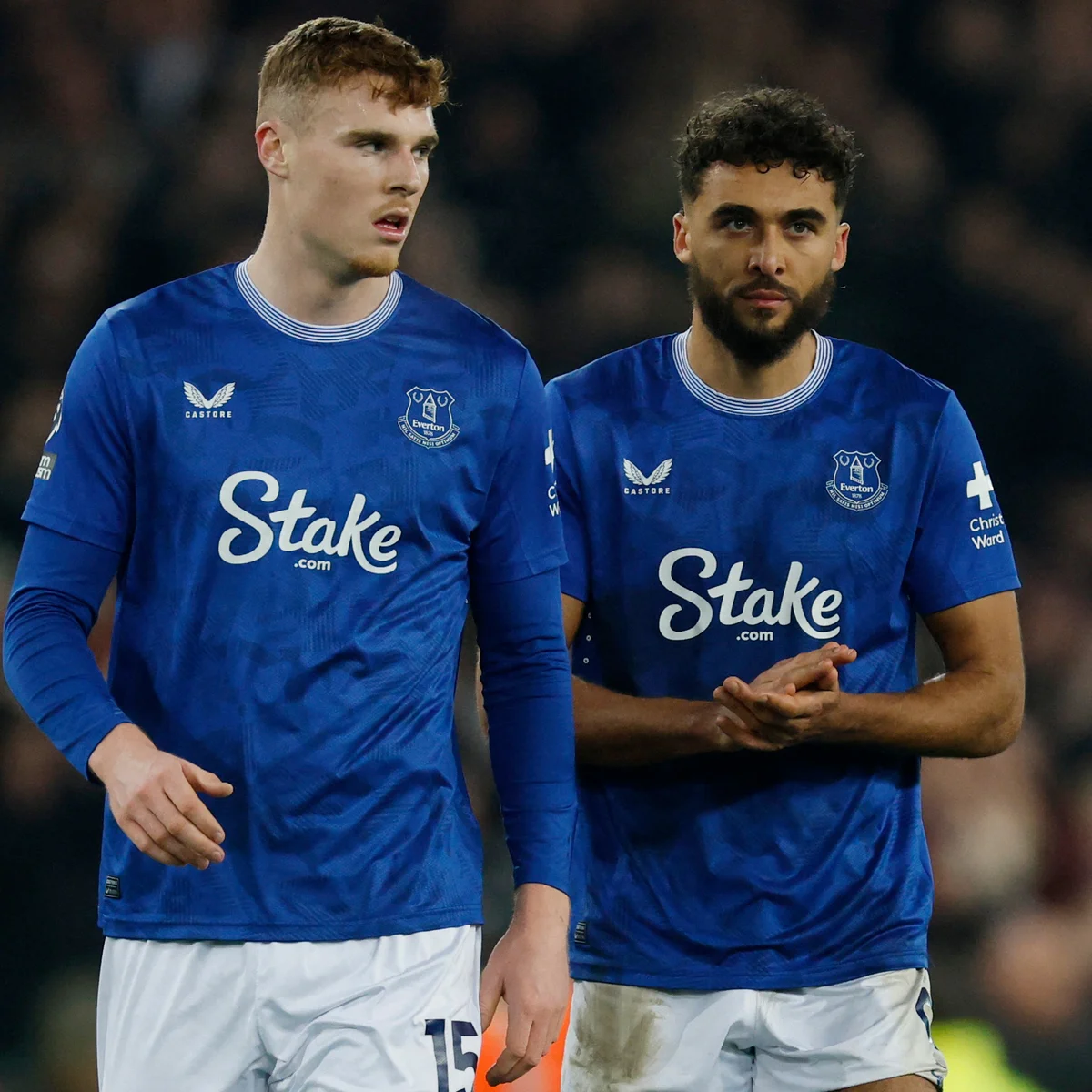
Here lies the moral dilemma the proposed ban forces: Should football clubs reject money from unlicensed operators even if they desperately need those funds to survive financially? The British government answers yes, arguing that the brand assets of elite clubs can no longer operate as reputational shields for companies evading regulatory maturity stipulated in British laws. If Stake.com wants to sponsor Everton, it must obtain a British license, undergo full financial audits, pay local taxes, and meet consumer protection standards. If it is unwilling to do so, then it does not deserve access to British audiences via football shirts.
The Premier League's reaction: silent resistance
The Premier League has not issued an official statement on the government consultation, but internal sources cited by The Guardian and Financial Times indicate significant resistance. Clubs argue that betting sponsorships represent a substantial percentage of their total commercial revenue, and that banning unlicensed operators will severely reduce the pool of potential sponsors willing to pay eight-figure annual sums.
The numbers back up that concern. Approximately half of Premier League clubs have or have had main sponsorships from betting operators in the last five years. The betting industry has been one of the corporate sectors most willing to spend aggressively on sports partnerships, precisely because football offers unparalleled brand exposure to target demographics: men aged 18 to 45 with disposable income. Removing unlicensed operators from the sponsor pool forces clubs to look for replacements in sectors less enthusiastic about football or less willing to pay premiums for associating with mediocre teams.
The European context: the UK is not alone
The ban proposed by the British government reflects a broader regulatory trend in Europe. Spain completely banned betting advertising on football shirts in 2021. Italy implemented severe restrictions on betting advertising during sports broadcasts. Germany is considering similar legislation. The direction is clear: European governments will no longer tolerate the betting industry capturing massive audiences through sports partnerships without submitting to strict regulation and paying appropriate taxes.
The difference in the British approach is its specificity: it does not ban all betting sponsorships, only those from operators not licensed locally. This preserves revenue for clubs while ensuring sponsors meet minimum standards of financial transparency and consumer protection. It is a pragmatic compromise between regulatory purism and commercial realism. But for operators like Stake.com who built entire business models around avoiding national regulation, the compromise is unacceptable.
The future: Will Stake.com get a license or leave Europe?
Stake.com faces a strategic decision: apply for a British license and undergo full regulatory scrutiny, or withdraw completely from the European market. The first option requires revealing ownership structures, sources of capital, anti-money laundering practices, and algorithms for detecting compulsive gambling. It also requires paying substantial British taxes on revenues generated from British residents. The second option means losing direct access to one of the world's most lucrative betting markets and giving up high-profile sports sponsorships that generate massive brand recognition.
The British government's bet is that Stake.com and similar operators will choose to withdraw rather than submit to serious regulation. And they are probably right. The offshore crypto betting business model fundamentally depends on opacity: operators do not want to reveal who owns them, where their capital comes from, or how they manage money laundering risks. Obtaining a British license destroys that opacity.
For Everton FC, the ban means desperately looking for a new main sponsor before the legislation takes effect, likely in 2027. For the Premier League, it means reduced commercial revenues but improved reputation. And for British consumers, it means marginally greater protection against predatory betting operators working in regulatory shadows. It is not a total victory, but it is progress. And in the modern football world, where dirty money flows as freely as champagne in VIP boxes, even marginal progress deserves recognition.
Sources
The most important news while you enjoy a cup of coffee.
Join our community. Get our exclusive weekly analysis before anyone else.
Related News

GlobalDinero
6 min read
Europe said no. Trump said he didn't need them. NATO has spent 75 years waiting for someone to explain the difference.
France, Germany, Spain, Italy and the United Kingdom refused to send ships to the Strait of Hormuz. Trump said he never needed them. Nobody yet knows whether either side really believes it.

Deportes
8 min read
Champions League: Real Madrid vs Bayern, Barça vs Atleti. The Final Starts in the Quarterfinals
Jaw-dropping thrashings, the Premier League knocked out almost entirely, and four matchups that look like they were pulled from a dream final. The round of 16 set the stage for April.

Deportes
6 min read
World Baseball Classic: Venezuela reaches its first final. USA plays its third straight
For the first time in 20 editions, Venezuela plays for the World Baseball Classic title. Across from them: the favorite at -275 on the money line and a 24-year-old starter his manager describes as 'built for this moment'.


