Tumbler Ridge in Shock: School, Victims, and Questions That Admit No Quick Answers
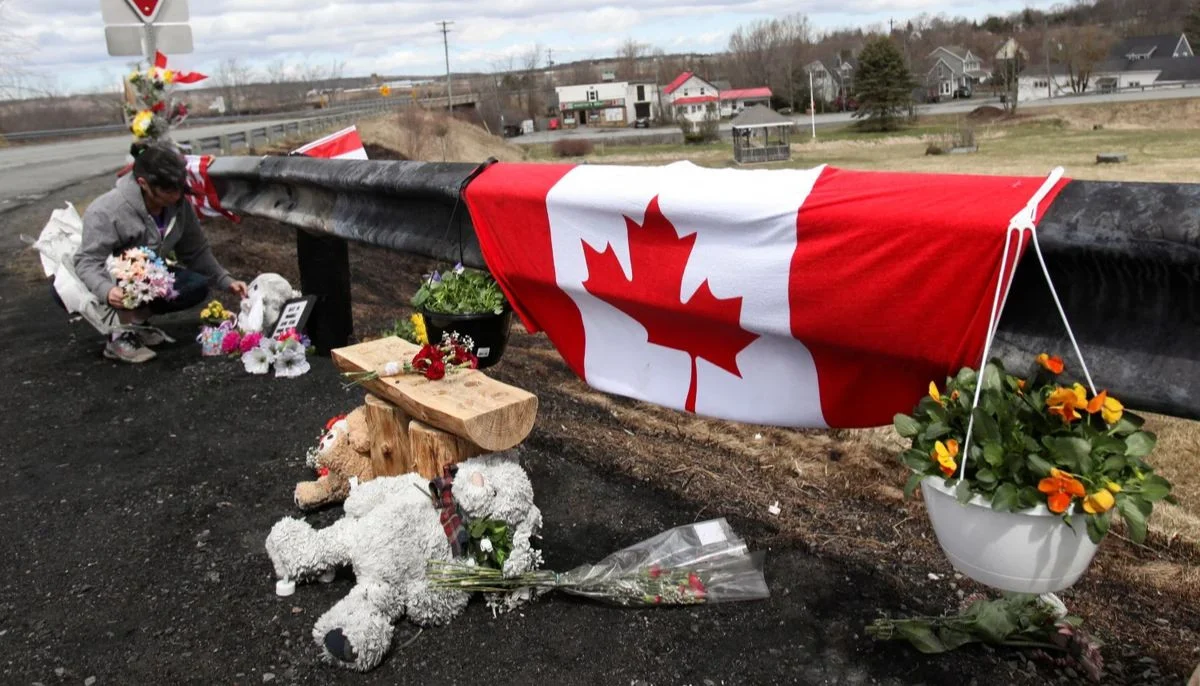
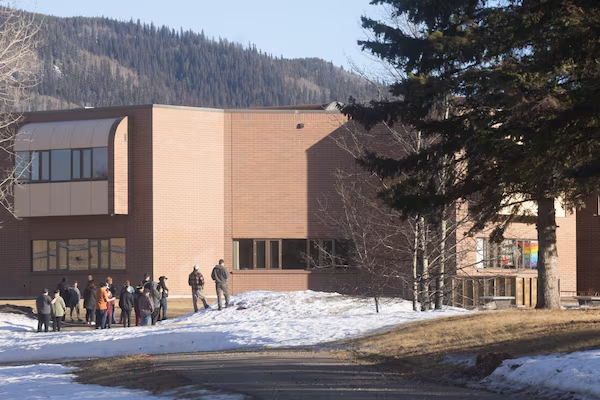
The small mining community of Tumbler Ridge (British Columbia) woke up this February 11th in mourning after a mass shooting that left at least 10 dead and dozens injured, according to official reports. The Royal Canadian Mounted Police (RCMP) identified the attacker as Jesse Van Rootselaar, 18 years old, who was found dead at the scene; authorities also confirmed the death of the attacker's mother and stepbrother at a nearby residence, suggesting that the episode started as domestic violence before moving to the school (fact confirmed by the RCMP).
The attack, which began on Tuesday afternoon, February 10th, and became public with more details constantly emerging the next day, took by surprise a locality accustomed to its relative calm. Witnesses and neighbors recount scenes of panic, classrooms in lockdown, and long hours of waiting while emergency services worked to evacuate and attend to the wounded. Authorities highlighted the speed of the police response, reports indicate that officers arrived within minutes,but noted that the lethality of the episode had already produced a devastating human toll.
Forensic Timeline and Attacker Profile
According to the RCMP, the initial sequence points to the attacker committing homicides at their home before heading to the school. The preliminary investigation reveals a history of police contacts for mental health in the suspect's life, a factor that official sources have noted as part of the investigative framework, without this substituting criminal responsibility or explaining the violence. The scene was cataloged as complex by experts: multiple scenarios, paths, and victims with wounds of varying severity; forensic work will continue in the coming days.
Political and Social Reaction
Prime Minister Mark Carney declared national mourning, ordered flags flown at half-mast, and praised the work of first responders, while promising federal support for affected families and measures to contain community trauma. The event revives debates long present in Canada: despite having stricter gun laws than its southern neighbor, the capacity to prevent episodes of violence of this magnitude is once again called into question. Community leaders and mental health organizations demanded comprehensive responses that do not stop at immediate emotional indignation.
Risks of Polarization and Misinformation
On social media, the case was subject to rapid politicization: the gender identity of the attacker, reports indicate identifying socially as female,was used by some to support simplistic readings. Experts consulted by media warn against the instrumentalization of individual details to explain a phenomenon that combines gun availability, failures in risk detection, and gaps in mental health services. The judicial and forensic investigation must clarify motivations, history, and pathways of access to weapons; meanwhile, public debate risks fragmenting along ideological lines that do not help prevention.
Practical Consequences: Security, Education, and Psychosocial Support
In the short term, schools in the region will remain closed and psychological containment teams will be deployed. In the medium term, legislative initiatives and reviews of provincial school and police protocols are expected. For the families of a small population, social reconstruction will be slow: care for victims, support for teachers, and rehabilitation of the school space will demand resources and time. Beyond the criminal investigation, the remaining question is political and preventive: what concrete reforms prevent such a tragedy from repeating in small and isolated communities?