Culture•13 min read
Willie Colón Dies at 75: 'El Malo' of the Bronx Who Made Salsa a Chronicle of Resistance

On February 21 in New York, Willie Colón drew his last breath at St. Lawrence Presbyterian Hospital in Bronxville at the age of 75, closing a definitive chapter in the history of Latin music. The trombonist, composer, and producer who transformed the South Bronx into the salsa capital of the world, who sold over 8 million records, and who turned a dance genre into a chronicle of social resistance, succumbed to respiratory complications he had carried since a traffic accident in 2021. His family confirmed the death through a statement requesting privacy to process their grief. He is survived by his wife Julia Colón Craig and his four children, heirs to a legacy that goes far beyond music: a complete cultural identity forged in the hard streets of New York over five decades of tireless creativity.
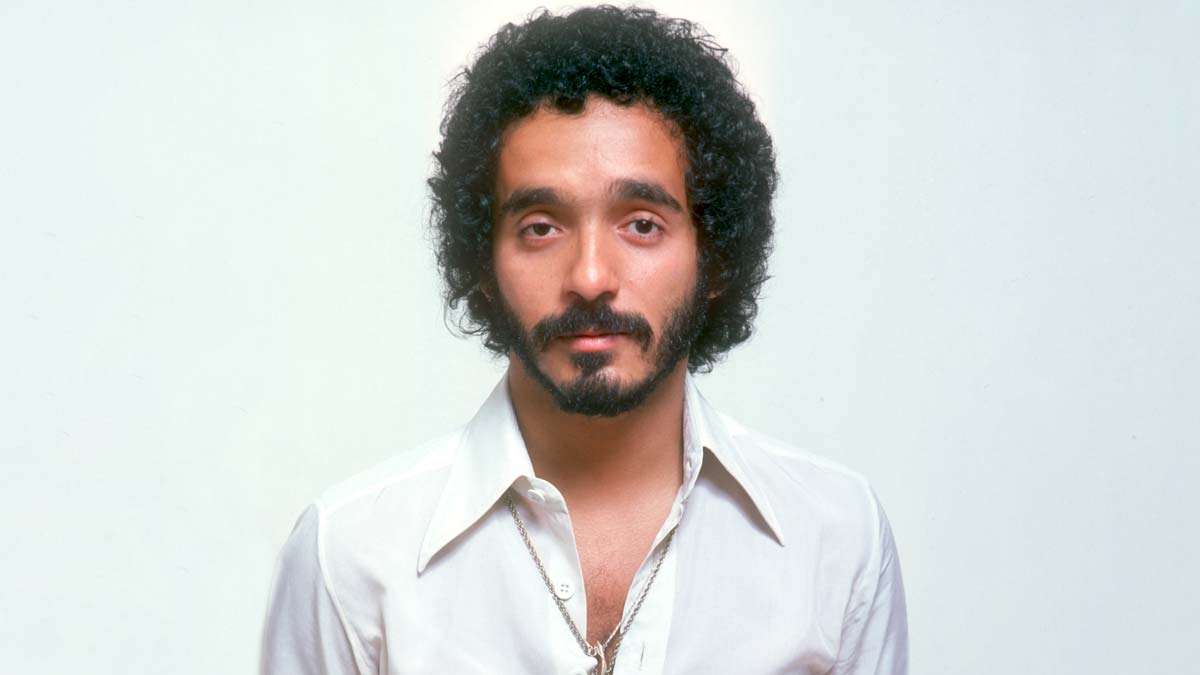
William Anthony Colón Román was born on April 28, 1950, in the South Bronx, as New York neighborhoods were beginning to transform due to the mass migration of Puerto Ricans fleeing insular poverty in search of the American dream. He grew up before the Civil Rights Act of 1964, in an era when being Latino in New York meant navigating daily discrimination and structural violence. His grandmother Antonia instilled in him an unwavering pride in his Puerto Rican heritage in an environment that perceived him as strange and threatening. That experience of marginality became the engine of his creativity and the raw material for his music.
The Trombone as a Weapon of Urban Survival
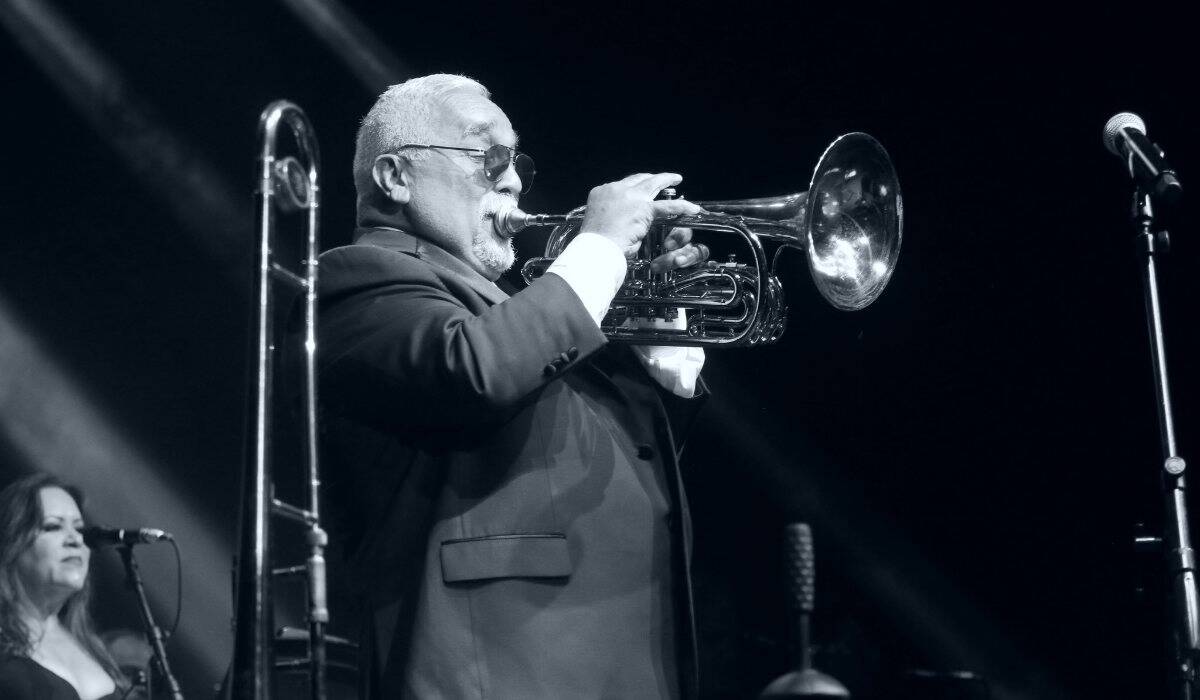
The choice of the trombone was neither accidental nor purely musical. Colón began his training with the trumpet and clarinet at age 12, but on the dangerous streets of the mid-1960s Bronx, the trombone represented something more than an instrument: it was an imposing object whose size and weight provided a sense of physical security that smaller instruments did not offer. In his own words, he carried the trombone as a "weapon" that protected him while walking through hostile territories. That practical decision for survival ended up redefining the sound of urban tropical music forever.
At age 15, he caught the attention of Johnny Pacheco, co-founder of Fania Records, who was looking for new talent capable of capturing the raw energy of the neighborhood. His debut album, "El Malo" (1967), recorded when Colón was just 17 years old, sold more than 300,000 copies and detonated a cultural earthquake. It was not only a commercial success in a market that undervalued Latino productions, but it also introduced a visual and conceptual aesthetic that challenged all the established norms of the music industry.
The Gangster Aesthetic: Marketing and Political Commentary
The collaboration with graphic artist Izzy Sanabria was fundamental in consolidating the image of "El Malo" (The Bad Guy). Sanabria and Colón understood that the music needed a visual component that spoke directly to marginalized youth. Using the iconography of the gangster and the "tough guy," their album covers projected a narrative of deliberate defiance. In a New York where Latinos were systematically criminalized by the system, Colón appropriated that label with irony and pride, presenting himself on covers like "La Gran Fuga" with an FBI "Wanted" poster. This tactic was not just marketing genius but socio-political commentary on the persecution of minorities.
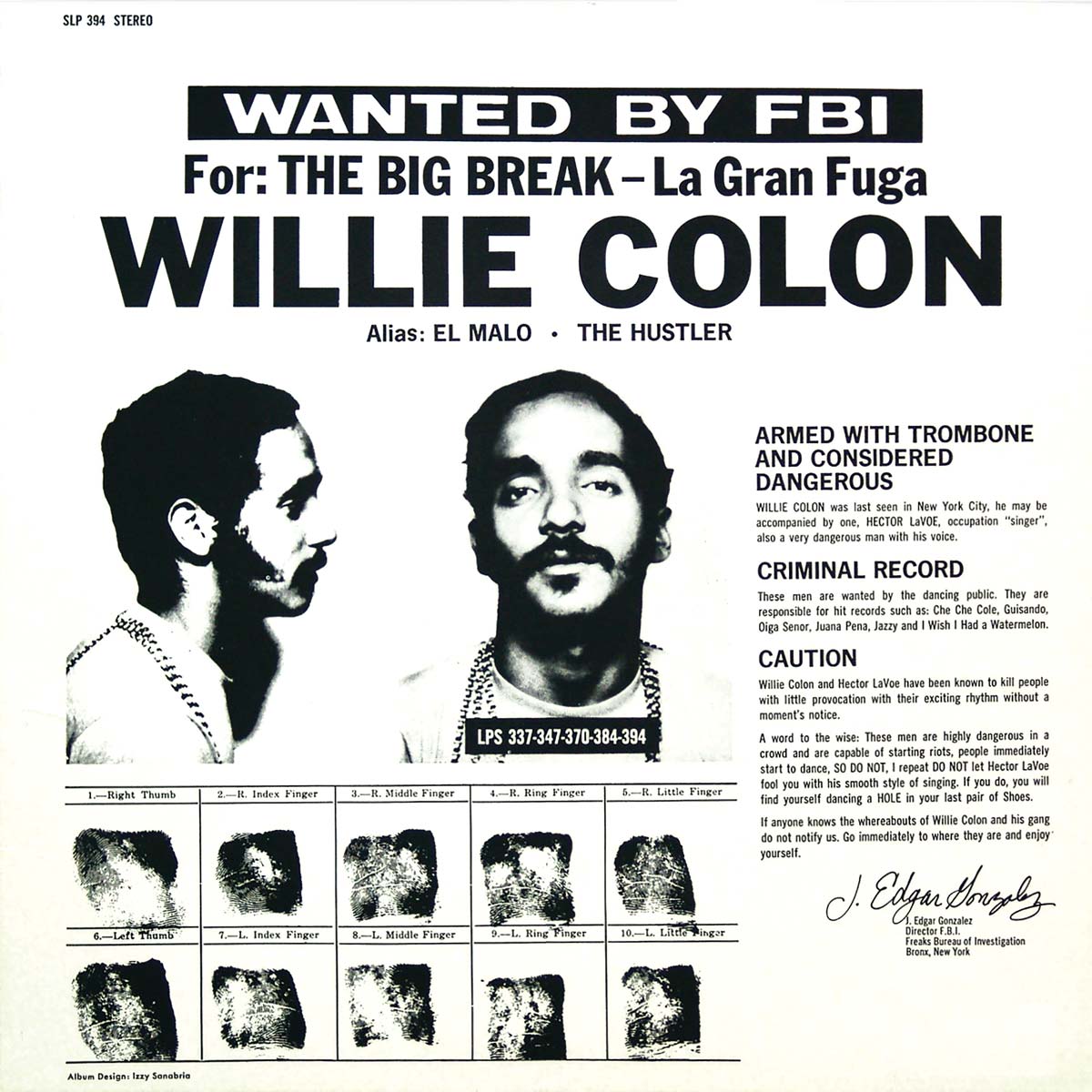
Musically, Colón revolutionized orchestration by using the trombone not as an accompanying instrument but as a weapon of "sonic attack." His technique incorporated dissonances and aggressive arrangements that reflected the chaos and vitality of the New York metropolis, fusing jazz, rock, and soul with traditional Caribbean rhythms such as the guaracha, bomba, and plena. This sonic amalgam is what is recognized today as the "New York sound," the standard that defined the modern salsa of the 1970s.
Héctor Lavoe: The Duo That Changed Everything and Destroyed Itself
The meeting between Willie Colón and Héctor Lavoe is the most influential partnership in the history of the genre. Between 1967 and 1974, this duo produced a series of albums that are pillars of hard salsa: "Cosa Nuestra" (1969), "La Gran Fuga" (1970), "El Juicio" (1972), "Lo Mato" (1973). While Colón was the musical strategist and innovator in the studio, Lavoe was the sonero par excellence, whose voice conveyed the tragedy and joy of the Puerto Rican emigrant with unrepeatable phrasing.
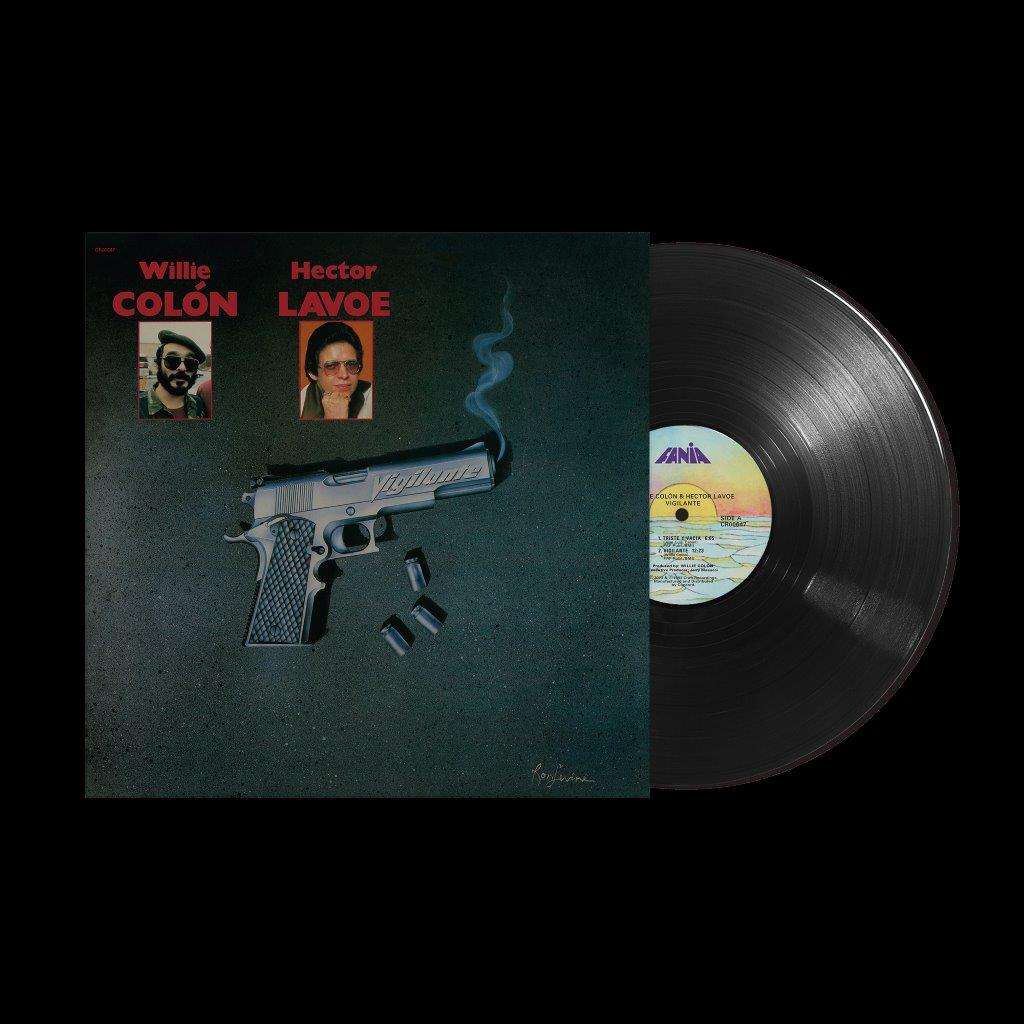
But the creative peak was also the beginning of a devastating personal estrangement. Lavoe's problems with substance abuse began to affect the orchestra's performance, leading to missed tours and concerts. Colón, who always maintained strict discipline and a demanding professional vision, decided to dissolve the duo in 1974 to protect his career and pursue new artistic directions. Despite the separation, professional respect endured. Colón produced several of Lavoe's most important solo albums, including "Comedia" (1978), where he directed the recording of the song "El Cantante," the piece that became Héctor's definitive identity.
Rubén Blades and "Siembra": The Album That Changed Everything
Willie Colón's transition towards the late 70s was marked by a radical shift in the themes of his music. If the era with Lavoe focused on the chronicles of the neighborhood and the party, his alliance with the Panamanian Rubén Blades introduced "conscious salsa." Together, they transformed the danceable rhythm into a vehicle for political and social reflection that resonated throughout Latin America.
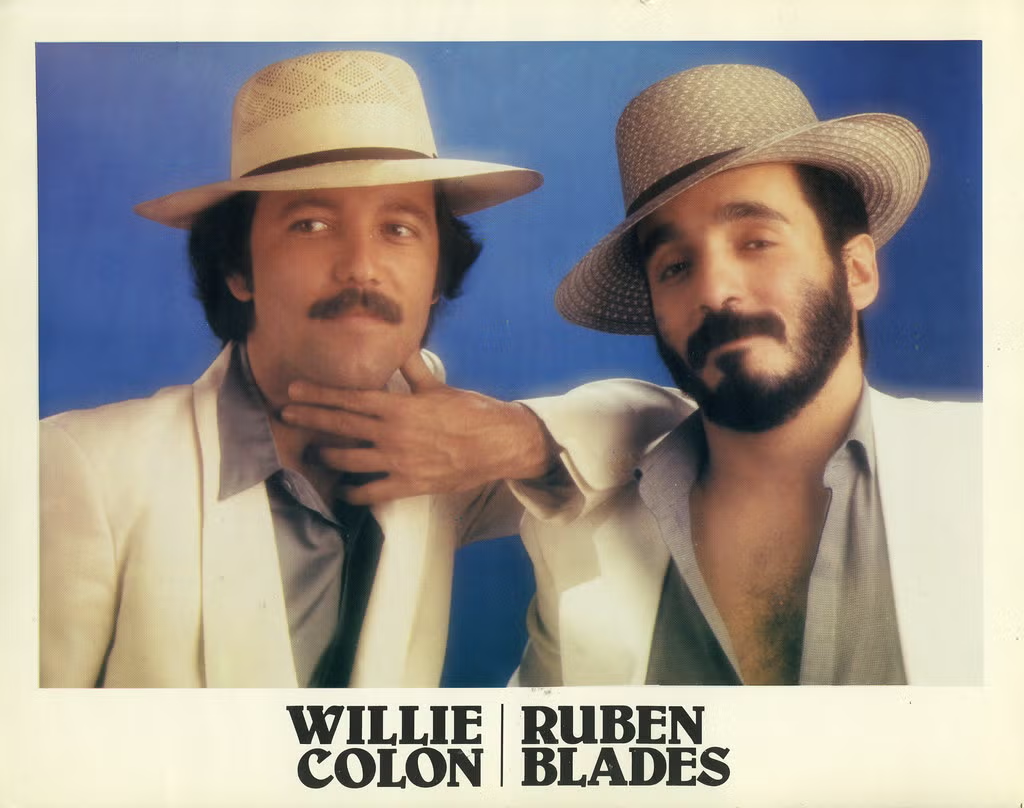
The release of "Siembra" in 1978 is considered the moment of greatest commercial and cultural impact in the history of salsa. The album challenged the conventions of an industry that distrusted songs with deep lyrics and unusually long narrative arcs. "Pedro Navaja," a 7-minute cinematic chronicle about a Panamanian street assassin, became the most iconic song of the genre. The piece narrates a murder, the irony of fate, and a moral about the vanity of violence, all over a hypnotic beat that forces you to dance even while processing the dark lyrics. "Siembra" sold more than 8 million copies globally, an incomprehensible feat for a Spanish-language album in the pre-streaming era.
Colón, as the musical director and producer of this period, integrated arrangements that allowed Blades' narrative to unfold clearly, without losing the rhythmic force necessary for the dancer. This collaboration not only produced record-breaking sales figures but unified the Latin American identity under a sophisticated sound that incorporated elements of jazz and classical music, elevating the status of salsa to a form of intellectual art.
"El Gran Varón": Bravery in Times of Homophobia and AIDS
Among Willie Colón's greatest hits, "El Gran Varón" (1989) deserves a separate chapter. The song, composed by Omar Alfanno but produced and performed by Colón with an unusual sensitivity for the time, tells the story of Simón, a young man who defies his father's norms of masculinity to live his true identity, ultimately dying due to complications from AIDS. In a genre often marked by machismo, Colón had the courage to place public health issues and individual rights at the center of the debate, consolidating his image as an artist committed to social realities.
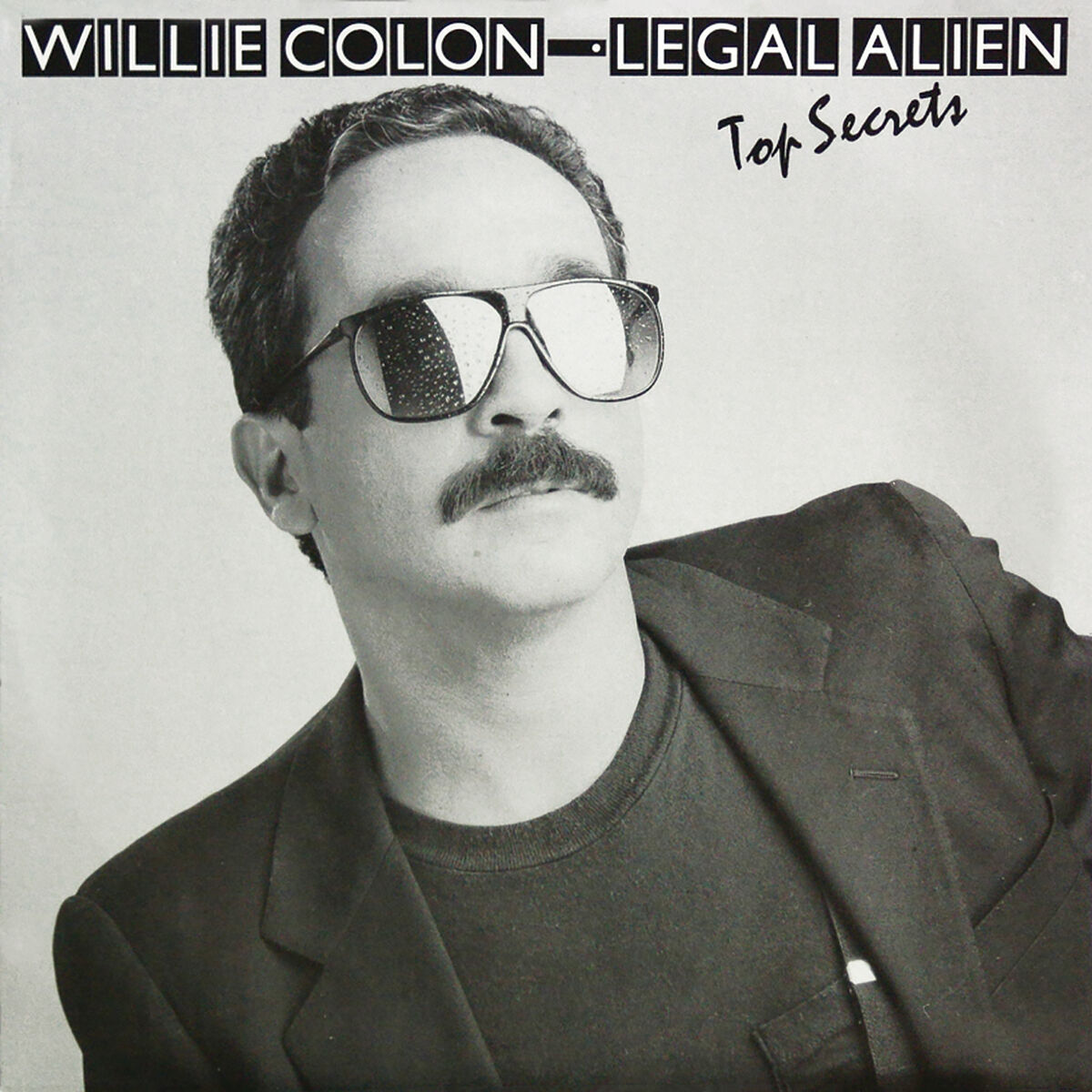
The song was a potential commercial suicide in 1989. But Colón recorded it anyway, challenging deep-rooted homophobia in Latin culture and setting a precedent for future artists. "El Gran Varón" became the unofficial anthem of Latin LGBTQ+ activism and remains a standard of artistic bravery that few have equaled.
The Activist, the Cop, and the Republican: Willie's Contradictions
Willie Colón's life was always intertwined with public service and activism. From the age of 16, he used his platform to champion the rights of the Latino community in the United States. His involvement was direct and formal, holding positions in institutions such as the Latino Commission on AIDS and the United Nations Immigrant Foundation. In 1999, he was part of the Jubilee 2000 Delegation at the Vatican, where alongside U2's Bono and Quincy Jones, he urged Pope John Paul II to advocate for cancelling the foreign debt of poor countries.
His political ambition led him to run for Public Advocate of New York City in 2001 on the Democratic Party ticket, earning over 100,000 votes that demonstrated his influence beyond entertainment. Later, his political ideology underwent a transformation towards more conservative stances. In the 2010s he became a supporter of the Republican Party and publicly declared his support for Donald Trump, creating divisions among his followers. However, Colón always defended his right to contradiction and the evolution of thought.
In one of the most surprising turns of his career, Colón graduated from the police academy in 2014 at the age of 64, becoming a Deputy Sheriff of Westchester County. He later reached the rank of Deputy Lieutenant, serving until 2022. The "Bad Guy" of the neighborhood who was once symbolically pursued by the FBI ended his career as a high-ranking officer, demonstrating an unwavering faith in the civil institutions of his adopted nation. The irony was not lost on anyone.
The 2021 Accident: The Beginning of the End
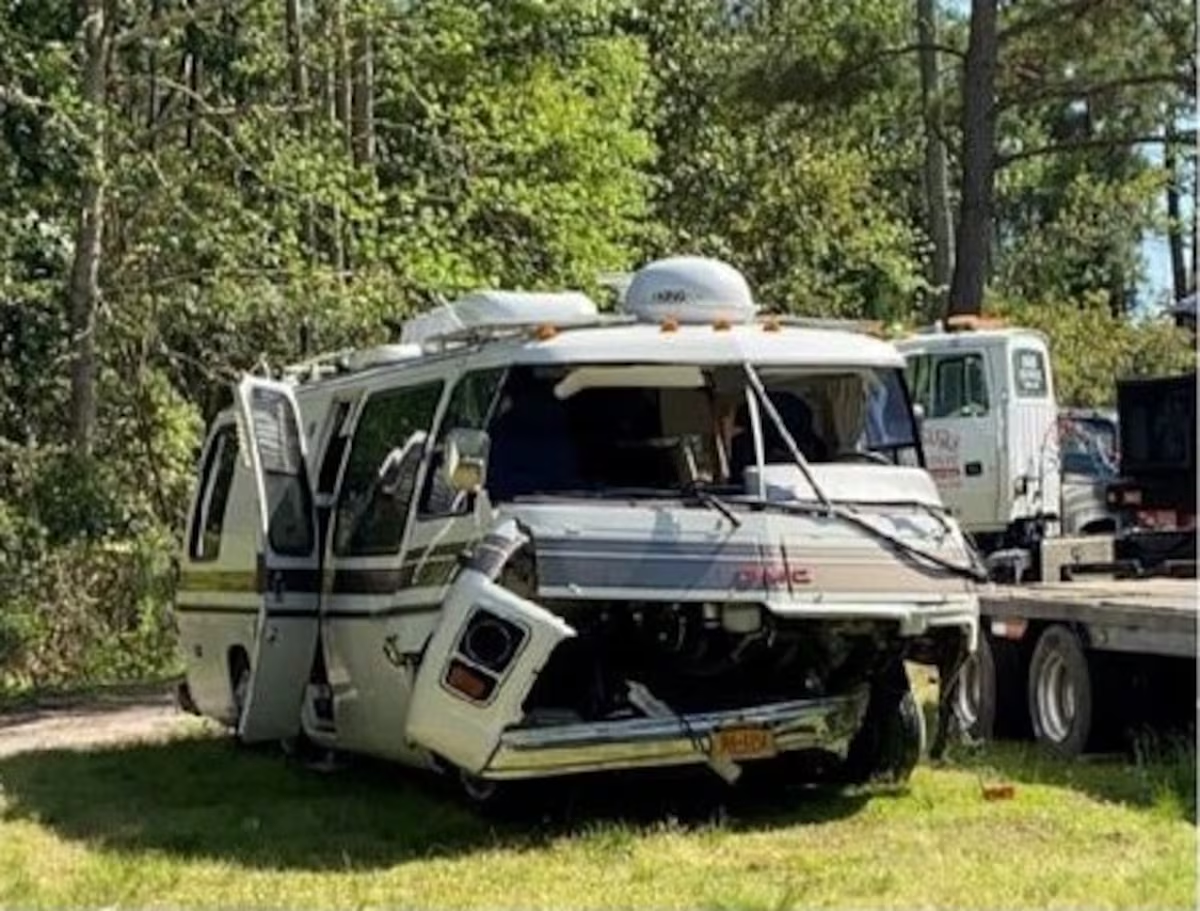
Willie Colón's health suffered an irreversible break on April 20, 2021. While traveling in an RV with his wife Julia through North Carolina, the couple was involved in a severe traffic accident. Colón sustained critical injuries that compromised his mobility and vital functions: a severe concussion, lacerations requiring 16 staples, and fractures to the C1 cervical vertebra. Despite the severity, his initial recovery was a testament to his legendary resilience. But the long-term consequences were inevitable. His lungs and breathing system were permanently weakened, forcing him to reduce his physical activity and use frequent medical assistance. These respiratory problems were, ultimately, the main cause of his final hospitalization in February 2026.
"Idilio Sinfónico": The Conscious Farewell
In August 2025, just months before his death, Willie Colón staged a triumphant and emotional return to the Coca-Cola Music Hall in San Juan. Titled "Idilio Sinfónico," the concert was a masterful collaboration with the Philharmonic Orchestra of Puerto Rico, under the direction of maestro Ángel "Cucco" Peña. During the evening, Colón traversed his musical career with symphonic arrangements that highlighted the elegance and depth of his compositions.
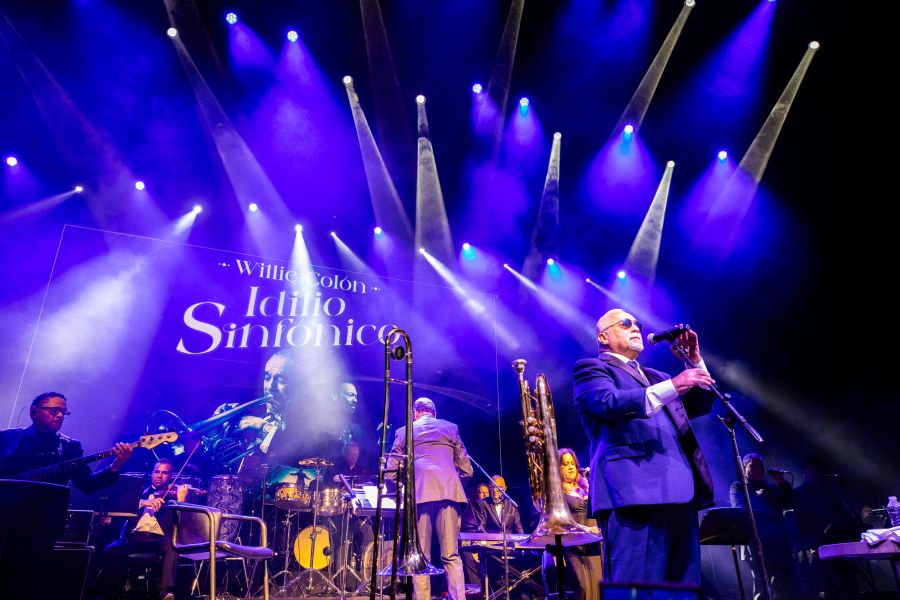
What the public didn't know was that Colón was delivering his last great live work. During the show, he gave a speech that today reads as a conscious goodbye: "This could be my last concert... You made me a star. I accompanied you while you cleaned or went to work, and you made me a star. For that, I am grateful" (public statement in concert). With his characteristically biting humor, he joked about the possibility of his departure, suggesting that each performance was, to him, a final gift to his audience.
Medellín 1985: When El Malo Was Actually Arrested
Willie Colón's career was not without dark moments. One of the most notorious episodes occurred in Medellín, Colombia, in September 1985. Following the cancellation of a concert at the Iván de Bedout coliseum due to logistical problems and disagreements with promoters, the audience started violent riots that resulted in the destruction of the facilities. Colón and his entire orchestra were arrested and spent two days in the F2 dungeon under humiliating conditions.
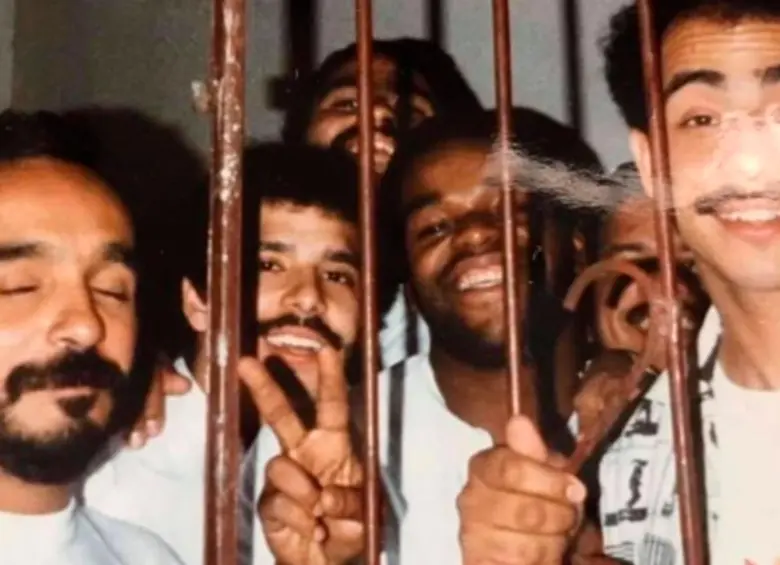
True to his nature, Colón transformed this traumatic experience into art. Back in New York, he composed "Especial No. 5," a song that recounts his version of events with bitterness and sarcasm, denouncing the treatment received by local authorities. The lyrics reference a "colonel who aspired to be a general," describe the 20 hours waiting without food or outside contact, and close with an ironic mention of his character Pedro Navaja.
Rubén Blades: The Partner Who Became a Legal Enemy
Unlike his relationship with Lavoe, which remained strictly professional to the end, the friendship between Colón and Rubén Blades fractured almost irreparably due to contractual disputes. The conflict erupted publicly in 2003, after a concert celebrating the 25th anniversary of the "Siembra" album in San Juan, Puerto Rico. Colón accused Blades of failing to pay him the agreed sum for his participation, leading to a lawsuit filed in 2007.
Although the court ruled in favor of Blades in 2013, the emotional wound persisted for years. This "legal battle" was documented in the book "Decisiones," written by Robert Morgalo, which explores the financial and ego tensions that destroyed Latin music's most successful duo. Although glimpses of a reconciliation were seen in 2019, Colón's death in 2026 prevented the musical reunion that the salsa world had been hoping for.
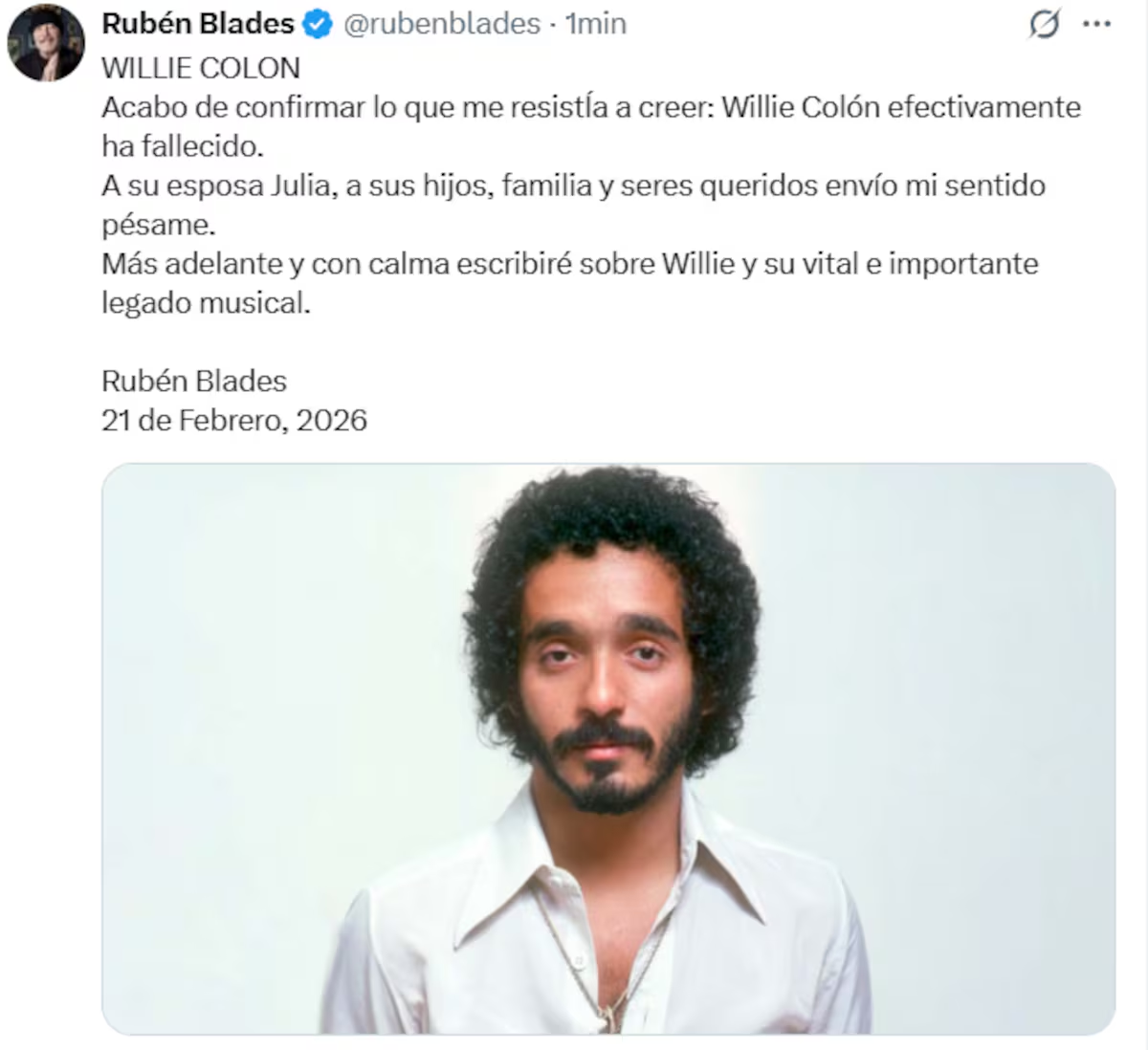
Rubén Blades expressed his sorrow upon hearing the news, admitting that he was "reluctant to believe" the passing of his former partner, and promising to write an extensive analysis on Colón's "vital and important" legacy (official statement on social media). The message confirms that, despite all their legal and personal fights, both mutually recognized each other's artistic greatness.
The Legacy: More Than Music, a Complete Identity
Willie Colón leaves a legacy that transcends the 8 million records sold and his many international awards. His true inheritance lies in having been the chronicler of a people seeking their voice in the great metropolis. From the raw aggression of his early trombones to the sophistication of his symphonic stages, Colón proved that salsa was a tool for identity, a shield against discrimination, and a mirror of human contradictions.
He was the first Latino to serve on ASCAP's national board of directors in 1995. He served as an advisor to Mayor Michael Bloomberg for Latino community liaisons. He was appointed UN Global Ambassador in 2000 in the fight against racism. And in one of the most unlikely twists of his career, he became a police officer at age 64, bringing his life full circle: the rebel who challenged the system ended up defending the institutions that had criminalized him in his youth.
His life was a journey of artistic excellence, civic engagement, and intellectual directness. In dying at 75, Willie Colón not only leaves behind an indispensable discography but the certainty that music, when rooted in the truth of the streets and social conscience, acquires an eternal quality.
The "Malo of the Bronx" is gone, but his trombone will continue to sound in every corner of the Caribbean and the world where freedom and rhythm are celebrated. The South Bronx lost its most illustrious son. Salsa lost its boldest architect. And Latin America lost one of the few artists who managed to turn marginality into pride, discrimination into resistance, and rhythm into a chronicle of a complete identity.
Sources
The most important news while you enjoy a cup of coffee.
Join our community. Get our exclusive weekly analysis before anyone else.
Related News

Cultura
7 min read
86 years old, it was the 'final level' of Chuck Norris: Farewell to the action cinema legend
The actor, world karate champion and internet phenomenon passed away on March 19 after a medical emergency in Kauai. His last post was a video training on his birthday.

GlobalCultura
6 min read
World Water Day 2026: women and 200 million hours of water inequality
Every day, women and girls worldwide spend the equivalent of 23,000 human years carrying water. World Water Day 2026 repeats it. The question is how many more times it needs to be said.

Cultura
6 min read
Sinners arrived with 16 nominations. Paul Thomas Anderson left with the statuette.
Anderson won with only his second Best Picture to history. Jordan took Best Actor. Buckley shocked with Hamnet. And Frankenstein quietly dominated the technical awards. The 98th edition didn't leave a single comfortable winner.


