Culture•5 min read
Roger Allers, Co-Director of The Lion King, Dies: Disney Loses the Visionary Behind Its Biggest Hit

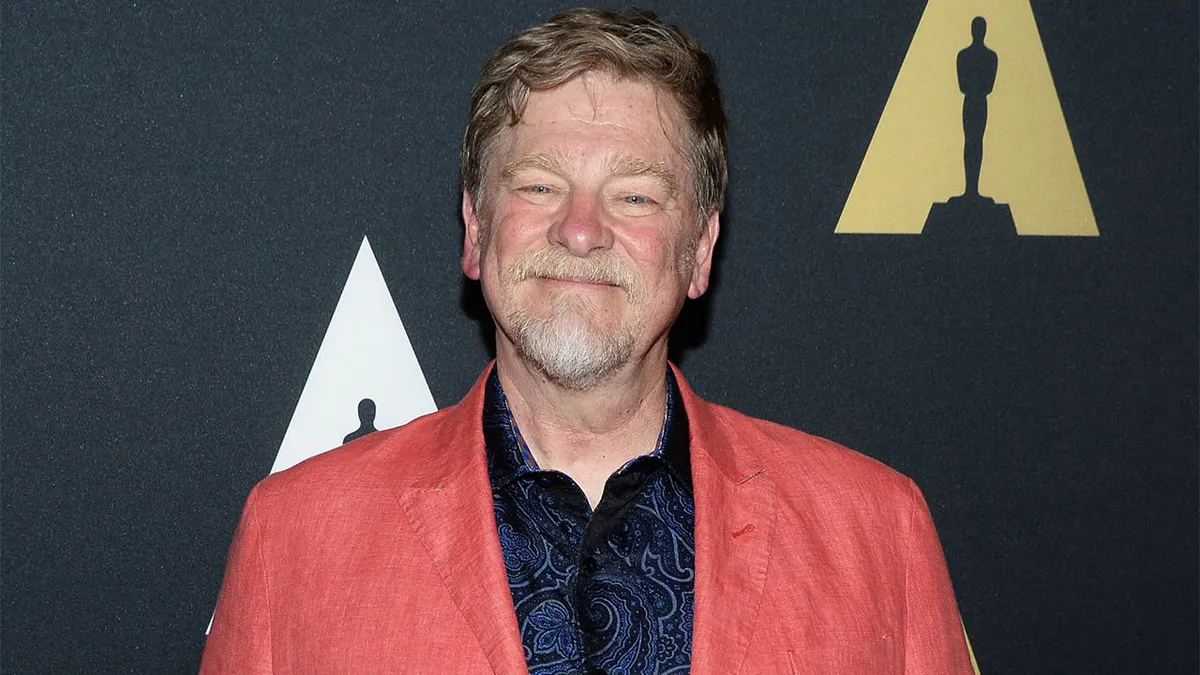
Hollywood lost one of the architects of its animated renaissance. Roger Allers, co-director of The Lion King and a key figure in Disney Animation's golden age of the '90s, died at age 76. His death closes the chapter on a generation of animators who transformed drawings into global cultural events, turning children's films into phenomena that transcended generations.
Allers was no ordinary director. He was the brain behind the highest-grossing animated film of all time until Frozen came along, and his work on The Lion King (1994) set narrative and visual standards the industry still chases. Bob Iger, Disney's CEO, issued an official statement calling him a "creative visionary whose contributions will endure for generations." It's not corporate hyperbole: millions of people have formative memories tied to his films.
The Man Who Turned Shakespeare into African Savanna
The Lion King began as an internal Disney project called "Bambi in Africa," an idea that sounded so generic that most of the studio's animators preferred to work on Pocahontas, considered the strong bet for 1994. Allers and his co-director Rob Minkoff inherited what many saw as the B-project. What they did with that opportunity changed animation forever.
Allers understood that The Lion King wasn't a movie about lions, it was Hamlet with claws. He took the Shakespearean dramatic structure, transplanted it to the African savanna, added music by Elton John and Tim Rice, and built a narrative about fatherhood, loss, and redemption that connected with global audiences in ways Disney didn't anticipate. The film grossed over $968 million in its original release, a stratospheric figure for 1994, and became a cultural phenomenon that remains alive three decades later.
More Than The Lion King
Although The Lion King defines his legacy, Allers was a fundamental piece in other classics of the so-called "Disney Renaissance." He worked as animator and storyboard artist on The Little Mermaid (1989), Aladdin (1992), and Beauty and the Beast (1991), three films that rescued Disney from a terrible decade in the '80s. His ability to visualize narrative, translating scripts into coherent visual sequences, was one of the reasons Jeffrey Katzenberg promoted him to director.
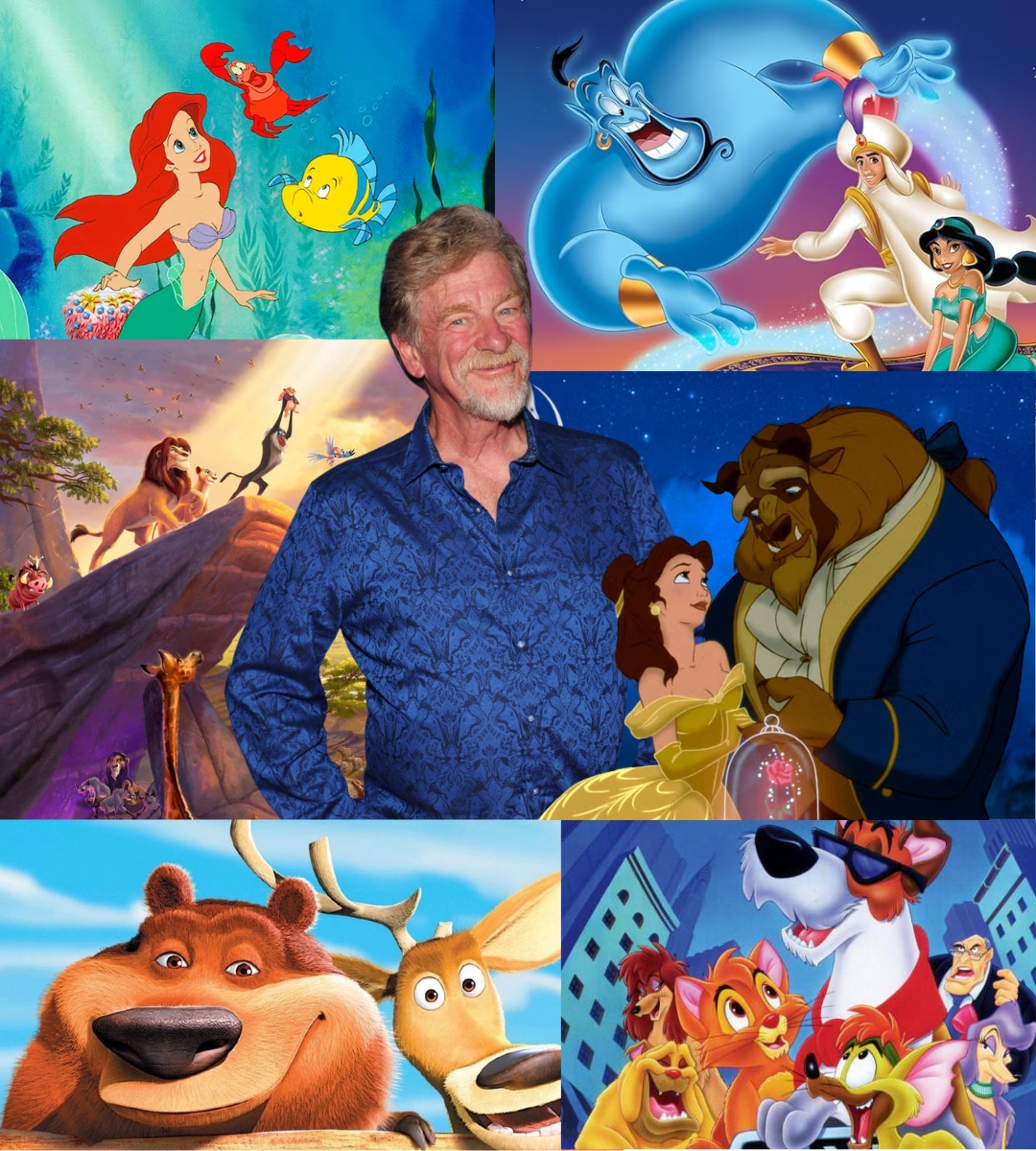
After The Lion King, Allers attempted to repeat the formula with The Sorcerer's Apprentice, a planned sequel to Fantasia that Disney canceled at advanced production stages. Frustrated with studio corporate politics, Allers left Disney and worked on independent projects, including Open Season (2006) for Sony Pictures Animation. He never again reached the commercial success of his masterpiece, but then again, few animation directors ever do.
The Cultural Impact of a Generation
Allers belonged to the generation of animators who saved Disney when the studio seemed irrelevant. In the 1980s, the company was in crisis: failed films, warring executives, loss of creative identity. It was Allers's team, alongside names like Glen Keane, Andreas Deja, and John Musker, who rescued the brand with a series of films that defined the childhood of millions born between 1985 and 2000.
The Lion King in particular became shared cultural text. Its songs are universal karaoke. Its phrases are memes before the concept existed. "Hakuna Matata" entered everyday language. The scene of Mufasa falling into the canyon traumatized entire generations of children and taught them what loss is. Allers coded those moments with surgical precision: he knew exactly when to make audiences laugh, when to break hearts, and when to offer redemption.
The Animation He Left Behind
The industry Allers helped build no longer exists. Traditional 2D animation died as a dominant format in the 2000s, replaced by CGI. Disney closed its traditional animation studios in 2004 (briefly reopened them for The Princess and the Frog in 2009, then closed them permanently). Animators who drew by hand were replaced by artists who model on computers. The craft Allers mastered became museum art.
Yet his influence persists. Today's animation filmmakers grew up watching The Lion King and studying its narrative structure. The film remains a case study in film schools. The 2019 CGI remake (which many fans hated for lacking the original's soul) grossed $1.65 billion, proof that the intellectual property Allers created remains a money machine for Disney.
Allers left no recent public statements about his legacy, nor did he actively participate in promoting the remake. He quietly retired from public life years ago, letting his work speak for him. And speak it does: The Lion King continues to screen in theaters, streams in millions of homes, has been staged as a Broadway musical since 1997, and forms part of the cultural DNA of at least two generations. Not many artists achieve that level of permanence.
Disney loses a visionary. Animation loses a master. And millions of people who grew up singing "Circle of Life" have just learned that the man who gave them those memories is gone. The circle of life, indeed.
The most important news while you enjoy a cup of coffee.
Join our community. Get our exclusive weekly analysis before anyone else.
Related News

Cultura
7 min read
86 years old, it was the 'final level' of Chuck Norris: Farewell to the action cinema legend
The actor, world karate champion and internet phenomenon passed away on March 19 after a medical emergency in Kauai. His last post was a video training on his birthday.

GlobalCultura
6 min read
World Water Day 2026: women and 200 million hours of water inequality
Every day, women and girls worldwide spend the equivalent of 23,000 human years carrying water. World Water Day 2026 repeats it. The question is how many more times it needs to be said.

Cultura
6 min read
Sinners arrived with 16 nominations. Paul Thomas Anderson left with the statuette.
Anderson won with only his second Best Picture to history. Jordan took Best Actor. Buckley shocked with Hamnet. And Frankenstein quietly dominated the technical awards. The 98th edition didn't leave a single comfortable winner.


