Sudan 2026: Extended Famine and Humanitarian Blockade Worsening the Catastrophe

Sudan: The Largest Humanitarian Crisis of 2026
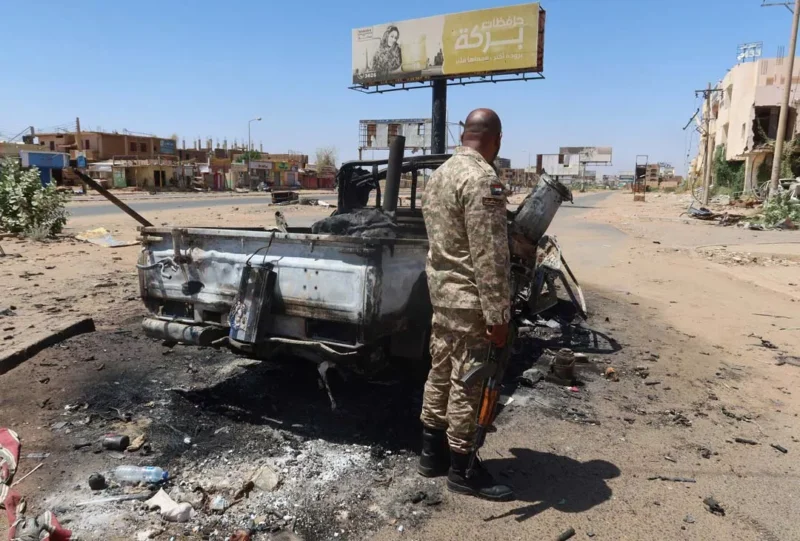
Why is the situation worsening?
Effects on the ground
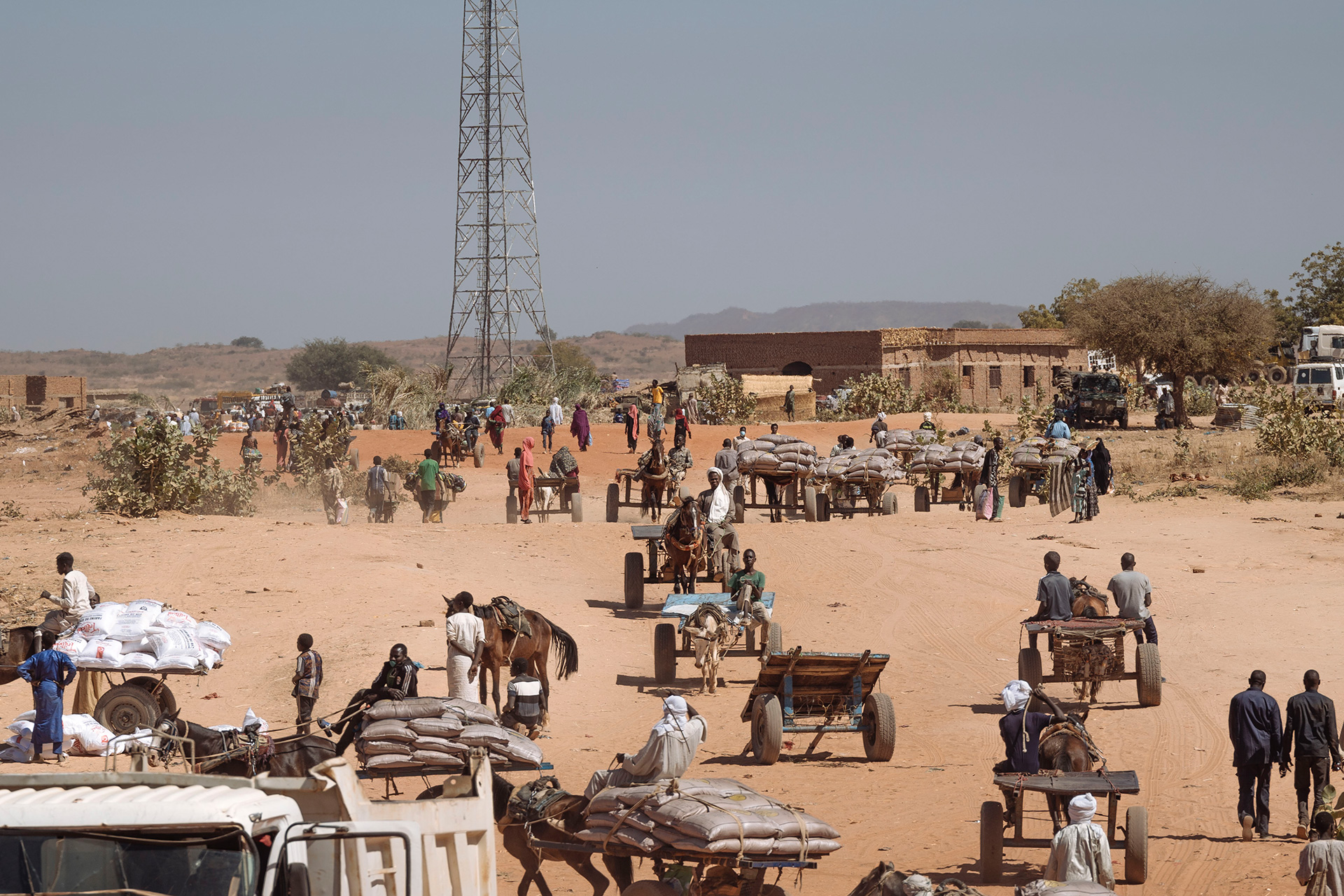
What's at stake
The most important news while you enjoy a cup of coffee.
Join our community. Get our exclusive weekly analysis before anyone else.
Related News

The far side of the Moon will have witnesses tomorrow. Not seen since Apollo 17.
At 65,235 miles from the satellite on its fifth day of flight, Orion enters the lunar sphere of influence. On Monday, it will break Apollo 13's distance record and mark the most important moment in human exploration in 54 years.

Epstein Files 2026: arrests, resignations, and Maxwell
More than 3.5 million declassified pages have triggered real arrests, purges on Wall Street, and a negotiation between Ghislaine Maxwell and the White House that turns impunity into explicit bargaining chips. A prince arrested on his birthday, Goldman Sachs' chief legal officer ousted after 9,300 mentions, and Maxwell willing to clear Trump's name in exchange for freedom. The DOJ promised full transparency but removed 47,635 files without explanation. This is not a scandal: it's an autopsy.

World Water Day 2026: women and 200 million hours of water inequality
Every day, women and girls worldwide spend the equivalent of 23,000 human years carrying water. World Water Day 2026 repeats it. The question is how many more times it needs to be said.


